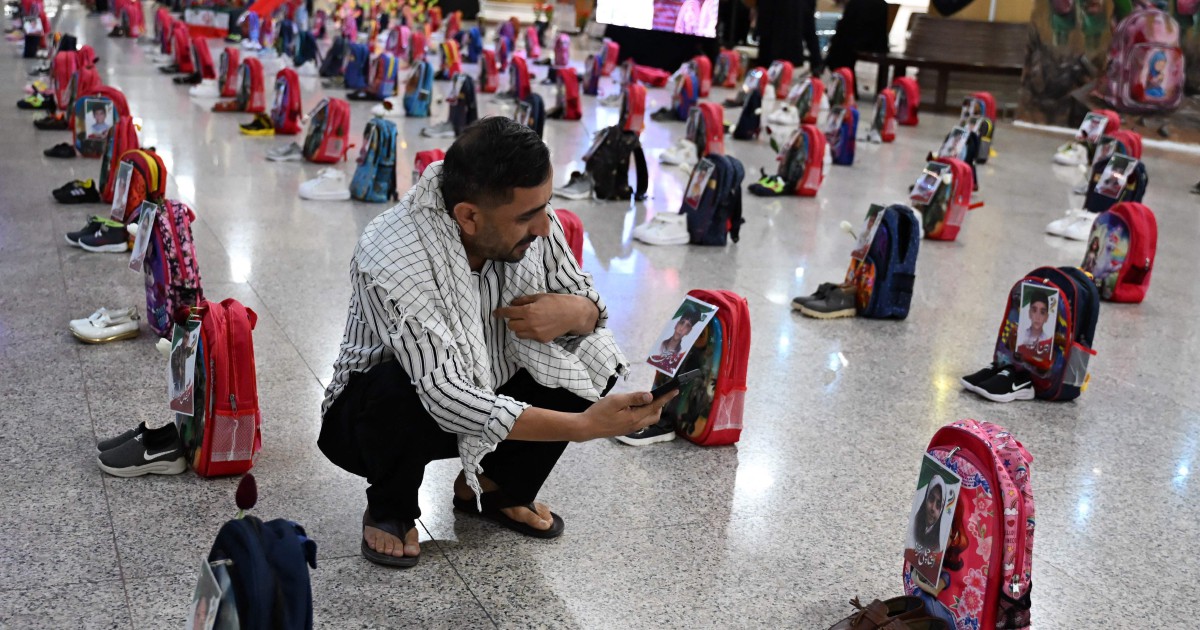
A group of Democratic senators, spearheaded by Kirsten Gillibrand, has escalated pressure on the Trump administration to make public the results of an internal military investigation into a controversial February 28 airstrike targeting a girls' school facility in Iran. The lawmakers issued their demand on Monday, insisting that the Pentagon produce and disclose its findings within seven days, signalling growing frustration over the lack of transparency regarding the operation and its consequences.
The February 28 incident has become a focal point in broader debates about military accountability and civilian protection in cross-border operations. The strike on the educational facility in Iran raised immediate questions about targeting accuracy, intelligence reliability, and adherence to international humanitarian law—concerns that have resonated beyond Capitol Hill. Democratic lawmakers argue that withholding investigation results from public scrutiny undermines democratic oversight and denies American citizens the information necessary to evaluate Pentagon conduct.
Gillibrand's leadership on this issue reflects a broader congressional tendency to scrutinise military operations involving civilian casualties or civilian infrastructure. The senator's public pressure represents the legislative branch's constitutional responsibility to check executive military authority, a principle particularly relevant as the Trump administration navigates complex geopolitical relationships in the Middle East and beyond.
The Pentagon investigation itself was initiated to examine the circumstances, targeting decisions, and actual outcomes of the airstrike. Such internal reviews typically assess whether military operations conformed to established rules of engagement, whether proper intelligence was used in target selection, and whether reasonable precautions were taken to minimise civilian harm. The nature of findings from such investigations often determines whether any disciplinary action, policy changes, or operational adjustments are warranted.
The demand for expedited release carries significant implications for US military operations broadly. Transparency around strike investigations affects public confidence in military institutions and influences how international partners and adversaries perceive American commitment to civilian protection standards. For countries in Southeast Asia monitoring US military conduct, the handling of this investigation demonstrates whether American military accountability mechanisms function effectively.
The Iranian government has made its own statements regarding the school strike, though verification of casualty figures and damage assessments remains contentious. International humanitarian organisations and media reports have documented varying accounts of the incident's severity, creating an information vacuum that public disclosure of the Pentagon investigation could help fill.
Congressional pressure on this matter reflects a broader pattern of Democratic oversight of military operations during the Trump administration. This particular case sits within the context of longstanding tensions between the US and Iran, the broader Middle Eastern security environment, and debates about proportionality and civilian protection in modern warfare.
The one-week deadline imposed by Gillibrand and her colleagues suggests that the senators view continued secrecy as unacceptable and are prepared to escalate their demands if the administration does not comply voluntarily. Congressional leverage over Pentagon spending and military authorisation bills provides lawmakers with substantive tools to enforce transparency demands, though such confrontations typically occur behind closed doors through negotiation.
For regional observers including Malaysia and other Southeast Asian nations, this episode illustrates how transparency in military operations has become a significant issue in American democratic discourse. The principle that military investigations should be subject to public scrutiny, rather than remaining classified indefinitely, reflects evolving international expectations about military accountability—standards that increasingly influence how nations conduct their own operations.
The Pentagon's response to these demands will likely set a precedent for future disclosures regarding military investigations. If the administration complies and releases detailed findings, it may strengthen calls for similar transparency in other controversial operations. Conversely, continued withholding could deepen congressional mistrust and potentially trigger legislative action.
The stakes extend beyond a single incident. How governments handle investigations into military actions—particularly those involving civilian facilities—increasingly affects their international standing and credibility. For the Trump administration, navigating these demands requires balancing legitimate security concerns with democratic accountability principles and international expectations regarding the conduct of military operations in sensitive regions.

