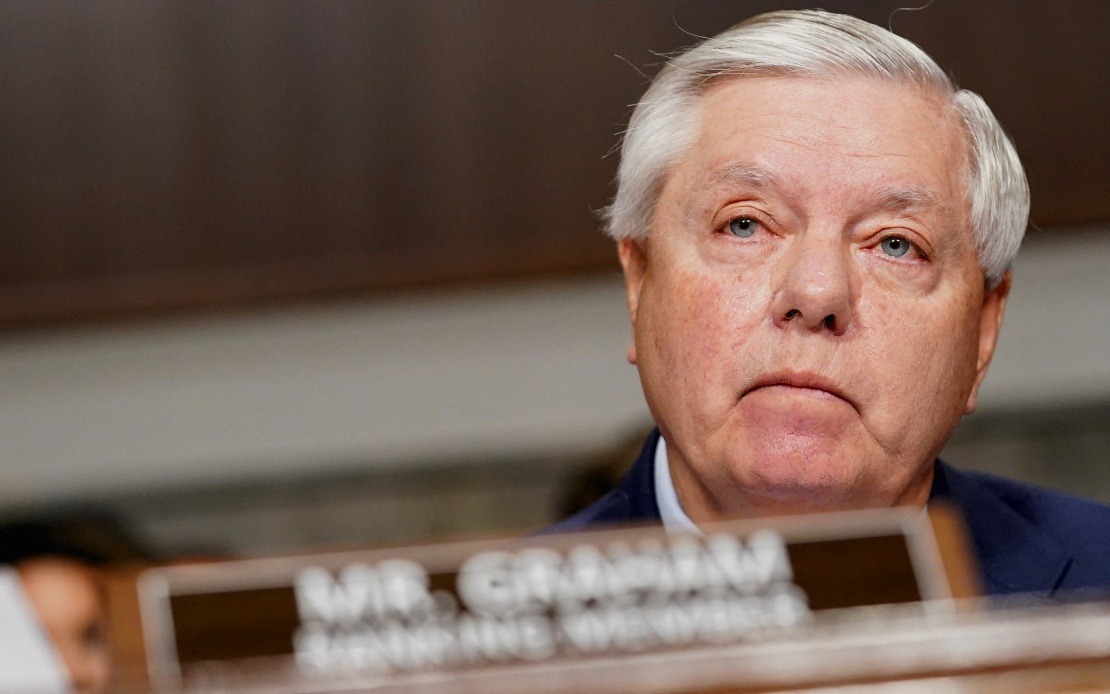
Prominent American Senator Lindsey Graham, one of the Republican Party's most visible figures and a close associate of former President Donald Trump, has died at the age of 71 following a brief and unexpected illness. The South Carolina senator's office released a statement on Sunday confirming his death on Saturday evening, July 11, providing few additional details about the circumstances surrounding his passing. His family requested privacy during what they described as an incredibly difficult period and asked that well-wishers keep them in their thoughts.
Graham's political career spanned more than two decades in the upper chamber of Congress. First elected to the Senate in 2002, he successfully won reelection in 2008, 2014, and 2020, establishing himself as a fixture in American politics and building considerable influence within Republican circles. At the time of his death, he was in the midst of campaigning for a fifth consecutive six-year term in the November election, signalling his intention to continue his Senate service.
Within the Republican establishment, Graham occupied a unique position as one of Trump's most steadfast allies and supporters throughout his presidency and beyond. This alignment gave him considerable sway in shaping the party's direction on key policy matters. Most recently, he chaired the Senate Budget Committee, a powerful position that placed him at the centre of debates over federal spending and fiscal priorities during a period of significant economic challenges.
For Malaysian and Southeast Asian observers, Graham's death carries particular significance given his involvement in international affairs and defence matters. Just days before his passing, Graham had travelled to Kyiv to meet with Ukrainian President Volodymyr Zelenskyy on Friday, underscoring his engagement with global security issues and America's commitments to allied nations facing external threats. This visit demonstrated the senator's continued active role in monitoring international developments and maintaining direct diplomatic contacts with foreign leaders at a time of heightened geopolitical tension.
Graham's involvement in Ukraine matters reflected broader Republican party dynamics regarding American foreign policy in Europe and towards Russia. As a senior senator with influence over budget allocations and defence spending, his positions on military aid and diplomatic strategy carried weight beyond symbolic value. His recent journey to Kyiv indicated he remained engaged with evolving situations that could affect American strategic interests and alliance relationships across the Atlantic.
The timing of Graham's death comes at a significant moment in the American political calendar. With presidential and congressional elections scheduled for November, his passing removes a key Republican voice from the campaign trail and Senate deliberations during the final stretch before voters render their verdict. His intended pursuit of a fifth term suggested confidence in his continued relevance and support among South Carolina voters, who had consistently returned him to office across multiple election cycles.
Graham's legislative record encompassed diverse portfolio areas spanning defence, budget matters, and various aspects of foreign policy. His approach to these issues often reflected a combination of fiscal conservatism and interventionist instincts on the international stage, positioning him within a particular strand of Republican thinking that emphasised America's global commitments while maintaining budgetary discipline at home. These positions shaped his relationships with colleagues across both chambers of Congress.
For Southeast Asia specifically, American senators like Graham wielded considerable influence over policies affecting the region, including defence spending, alliance management, and trade relationships. His involvement in budgetary oversight meant his positions on military assistance to Indo-Pacific partners and related expenditures carried practical implications for nations in the region seeking to strengthen security ties with Washington.
The senator's death prompted immediate reflections within political circles about succession arrangements and the distribution of his former responsibilities. His committee chairmanship would require reassignment, and his Senate seat would become subject to succession procedures governed by South Carolina law. These institutional questions emerged alongside personal tributes from colleagues who had worked alongside Graham throughout his lengthy career in elected office.
Graham's passing represents a significant moment for American politics more broadly, removing from the Senate a figure who had built his career on visibility, media engagement, and active participation in major debates across multiple decades. His sudden departure, following what his family characterised as a brief illness, underscores the unpredictable nature of political transitions and succession dynamics even among seemingly well-entrenched figures. The circumstances surrounding his death, while leaving many details to privacy as his family requested, nevertheless marked an abrupt conclusion to a career that had intersected with virtually every major American political development since the early 2000s.

