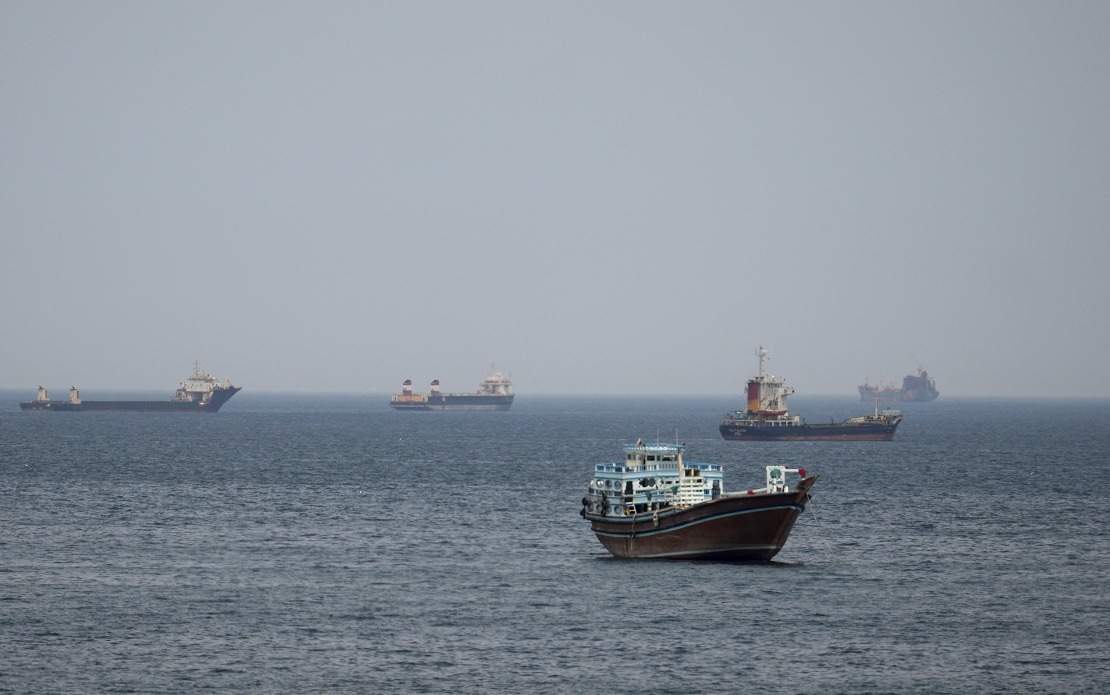
The United States military has successfully managed the transit of over 800 commercial vessels through the Strait of Hormuz since early May, according to announcements from US Central Command, underscoring Washington's commitment to maintaining freedom of navigation in one of the world's most strategically vital shipping corridors. This operational achievement takes on heightened significance given the mounting tensions between American forces and Iran, which have exchanged military strikes in recent days, yet somehow shipping traffic continues to flow through the contested waterway.
The scale of this logistical effort extends beyond vessel management. During the same period, US forces have helped safeguard the passage of approximately 380 million barrels of crude oil, a volume that carries enormous implications for global energy markets and the economies of nations dependent on Middle Eastern petroleum exports. For Malaysia and the broader Asian region, which relies heavily on stable energy supplies from the Gulf, this American military presence represents a critical stabilising factor in an otherwise volatile geopolitical environment.
The latest statement from US Central Command arrives at a particularly tense moment in the region. The fragile understanding between Washington and Tehran, never formally codified as a comprehensive peace agreement, faces mounting pressure from escalating military confrontations. What began with Iranian attacks targeting three commercial vessels operating within the Strait of Hormuz has snowballed into a broader cycle of retaliation that threatens to destabilise the entire maritime corridor.
Iranian forces initiated Thursday's escalation by launching a series of strikes targeting American military installations spread across multiple allied nations in the region, including Bahrain, Kuwait, Qatar, and Jordan. These attacks represented an explicit response to what Tehran characterised as a second consecutive night of American military operations against Iranian interests. The tit-for-tat pattern of strikes demonstrates how quickly regional stability can unravel when neither side appears willing to accept the other's military actions without response.
The strategic importance of the Strait of Hormuz cannot be overstated for international commerce. Approximately one-third of all seaborne traded oil passes through this narrow waterway, making any disruption to traffic patterns a matter of genuine concern for energy-dependent economies worldwide. Malaysian industries, particularly petrochemicals, manufacturing, and power generation facilities, depend on the uninterrupted flow of energy resources through this passage. A sustained conflict that interrupts shipping would directly impact Malaysia's economic growth and consumer energy costs.
What is remarkable about the American operational announcement is the apparent resilience of commercial shipping despite the military tensions. Rather than abandoning the route entirely, merchant vessels continue to navigate the Strait, albeit presumably with heightened security measures and coordination with American naval forces. This suggests that despite the exchanged military strikes, both the shipping industry and the global energy market have calculated that the risks remain manageable and the economic necessity of using this route continues to outweigh the security concerns.
For regional powers like Malaysia, which occupies its own strategic maritime position in Southeast Asia, the situation in the Strait of Hormuz offers cautionary lessons about the importance of maintaining freedom of navigation amid great power competition. The American military's declared role as guardian of shipping lanes reflects broader tensions between different visions of global order—one emphasising open maritime commerce and another potentially seeking to restrict access as a geopolitical weapon.
The maintenance of open shipping corridors has become increasingly consequential as global supply chains remain fragile following pandemic disruptions. Any disruption to energy supplies through the Persian Gulf would ripple outward, affecting prices across Asia and constraining economic expansion at a time when many nations, including Malaysia, are attempting to sustain growth. The American military commitment to facilitating passage of 800 vessels thus serves not merely strategic American interests but the broader international economic order.
The sustainability of this American operational commitment remains uncertain, however. Should US-Iran tensions continue escalating toward direct conflict, the ability of American forces to maintain safe passage could become dramatically compromised. The current arrangement seems to represent an uneasy equilibrium where both sides engage in military strikes against each other yet avoid actions that would completely shut down commercial shipping. This equilibrium, however, lacks inherent stability and could collapse if either side perceives sufficient strategic advantage in creating a complete blockade.
For Malaysian policymakers and business leaders monitoring developments, the immediate concern involves potential energy price volatility rather than complete supply disruption. The psychological impact of each escalation tends to move oil prices upward, even when actual physical disruption remains limited. Malaysia's downstream energy sector faces the prospect of elevated input costs if regional tensions persist, potentially affecting the competitiveness of energy-intensive industries and the cost of living for Malaysian consumers.
The American military's operational success in facilitating these vessel transits also reflects significant institutional capacity and naval resources deployed to the region. The presence of these forces, while stabilising for commercial shipping, simultaneously represents a point of friction in US-Iran relations. Iran views the American naval presence as inherently threatening and destabilising, while the United States argues it serves the legitimate purpose of protecting international commerce. This fundamental disagreement over the legitimacy of American military operations in the region persists regardless of the operational successes achieved.
Looking forward, the sustainability of current shipping patterns through the Strait of Hormuz depends substantially on managing the underlying political tensions that fuel these periodic military escalations. The 800 vessels facilitated since May represent normalcy within the corridor, yet this normalcy remains contingent on restraint from all parties. Any significant escalation that deliberately targets commercial shipping infrastructure could fundamentally alter the calculus for merchant marine operators and insurance companies, potentially driving ships to take longer alternative routes around the African continent—a development that would increase global energy costs and further disrupt supply chains.

