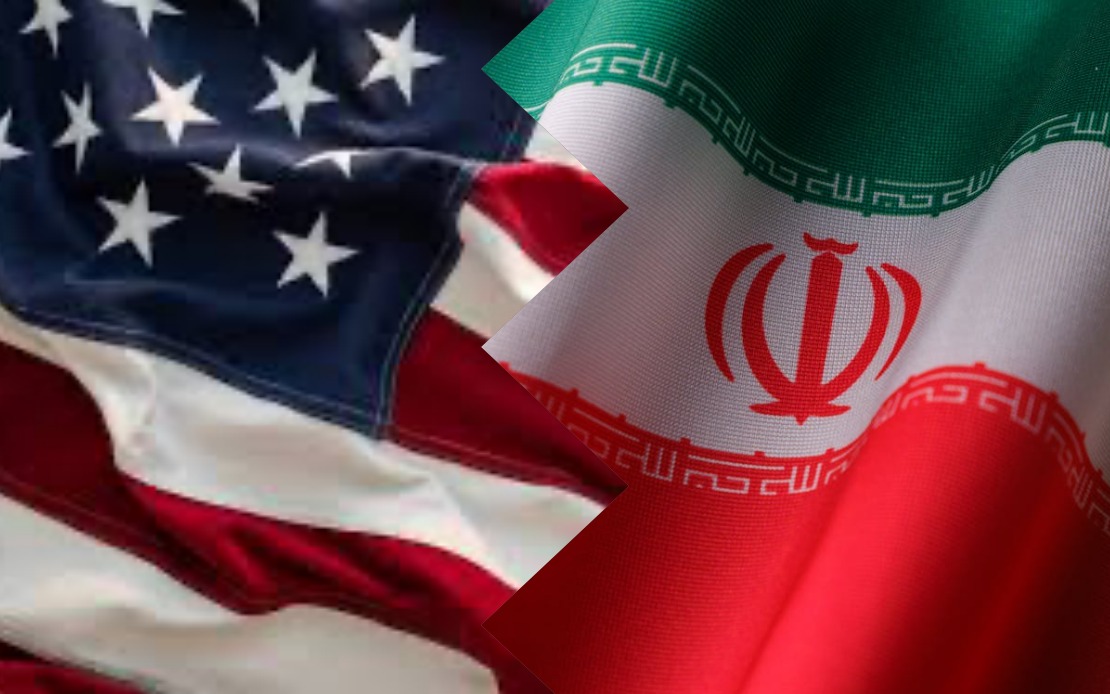
The United States military has opened a second phase of air operations targeting Iranian installations on Wednesday afternoon, according to announcements from the Pentagon's Central Command. The fresh strikes, authorised by President Donald Trump, represent an intensification of direct military engagement between Washington and Tehran at a moment when regional tensions have reached critical levels, with implications that extend far beyond the immediate combatants to affect shipping lanes vital to Southeast Asian trade.
Central Command identified the Strait of Hormuz as the focal point of these operations, highlighting that the strikes aim to neutralise Iranian military assets capable of disrupting the free passage of commercial vessels through this critical waterway. The Strait remains one of the world's most strategically important maritime channels, channelling approximately one-third of all seaborne traded petroleum globally. For Malaysia and the broader region, any disruption to traffic through this chokepoint creates immediate economic reverberations, affecting fuel prices, shipping costs, and supply chain stability across Southeast Asia.
The announcement came after Trump issued fresh warnings to Iran earlier in the day, communicating through public statements that Washington has articulated its expectations clearly and that Tehran must recalibrate its behaviour accordingly. The presidential messaging reflects a pattern of escalating rhetoric designed to signal resolve while leaving diplomatic channels theoretically open, a strategy that has characterised much of the administration's approach toward Tehran since taking office.
These operations constitute the latest chapter in a cycle of tit-for-tat military exchanges that has unfolded over recent days. The underlying conflict traces back to February, when coordinated American and Israeli military operations struck targets within Iranian territory. That initial action prompted an Iranian response, which in turn triggered further American operations, creating a dangerous momentum toward wider confrontation. Throughout this sequence, both sides have demonstrated willingness to take direct military action, suggesting that deterrence mechanisms have become increasingly fragile.
Peculiarly, these escalating hostilities have occurred despite the existence of a Pakistan-mediated memorandum of understanding supposedly designed to terminate the conflict and prevent further deterioration. The apparent ineffectiveness of this diplomatic instrument underscores how deeply entrenched the strategic competition between Washington and Tehran has become, with military logic now seemingly dominant over diplomatic restraint. For regional powers seeking stability, this signals that traditional mediation approaches may lack sufficient weight to alter trajectories once military actions commence.
The timing of these strikes carries particular significance given global energy markets remain sensitive to Middle Eastern developments. Malaysia, as a net energy importer and a nation whose economic vitality depends substantially on stable international energy supplies and uninterrupted maritime commerce, faces potential exposure to price volatility and supply disruptions should tensions escalate further. Current global oil markets already factor in geopolitical risk premiums; additional military operations could amplify those concerns and translate into higher costs for Malaysian consumers and businesses.
Beyond the immediate economic dimensions, the renewed American strikes signal that the Trump administration intends to maintain maximum pressure on Iran through military means rather than pursue diplomatic de-escalation. This approach reflects assumptions about the effectiveness of coercive military strategy in compelling Iranian policy changes, though Iranian responses so far suggest such tactics may instead harden resistance rather than produce compliance. The pattern resembles previous cycles of sanctions and military pressure that have not definitively resolved underlying strategic competition.
For Southeast Asian nations, the broader implication involves navigating a period of heightened great power tension that could complicate their own foreign policy calculations. Countries in the region maintain diverse relationships with both the United States and Iran, and escalating conflict between these powers creates pressure to demonstrate alignment while seeking to protect commercial and diplomatic interests. Malaysia, which has maintained relatively balanced regional engagement, may find this balancing act increasingly difficult as polarisation deepens.
The strikes also highlight how American military capabilities continue to enable rapid power projection into distant theatres. CENTCOM's capacity to execute coordinated strikes demonstrates the organisational sophistication and technological advantage that the United States maintains, factors that influence how regional actors calculate their strategic options. However, Iranian development of increasingly sophisticated military technologies and strategic positioning in the region means that American advantages, while substantial, no longer translate into uncontested dominance.
Analysts observing this cycle note that the absence of significant diplomatic engagement or international mediation efforts distinguishes the current moment from previous crises. Traditional conflict resolution mechanisms appear sidelined, with military communication supplanting diplomatic channels as the primary mode of signalling between the protagonists. This absence of active international mediation architecture represents a concerning vacuum, particularly as both sides have demonstrated willingness to escalate when provoked.
The economic consequences for global shipping merit particular attention from Southeast Asian policymakers. Insurance costs for vessels transiting the Strait of Hormuz have already experienced upward pressure; additional military activity could spike these costs dramatically, effectively taxing regional trade. Shipping companies may implement detours around the Horn of Africa, substantially extending voyage times and increasing operational expenses that ultimately pass to consumers throughout Asia.
Moving forward, the trajectory of this conflict remains uncertain. The Pakistan-mediated memorandum's apparent failure to prevent renewed violence suggests that deeper structural issues in US-Iran relations remain unresolved. Whether current operations represent a defined campaign with stated endpoints or the opening of an extended confrontation phase remains unclear, though either scenario poses challenges for regional stability and economic predictability that extend well beyond the immediate conflict zone into Southeast Asia's strategic environment.

