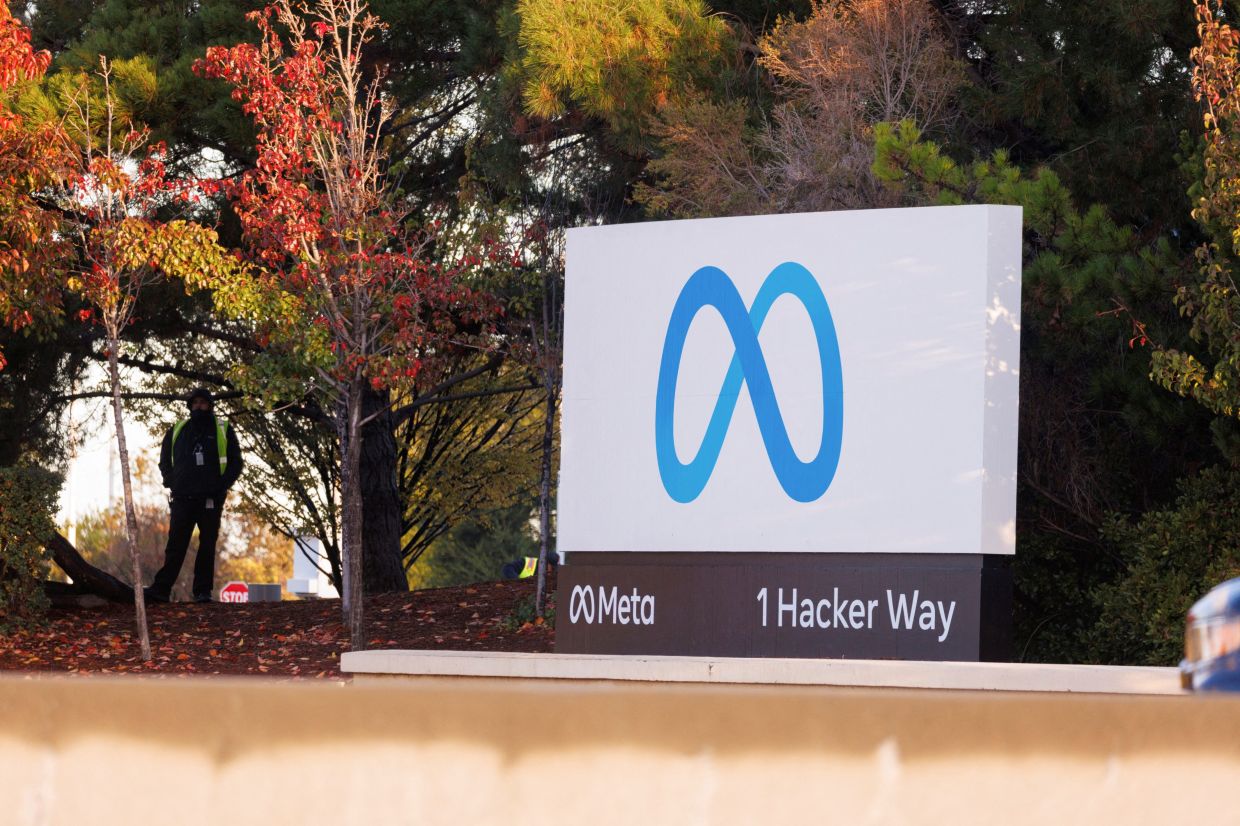
An American federal judge has determined that Meta substantially undermined its own legal position by destroying or permitting the destruction of crucial evidence in litigation brought by an Australian mining tycoon over fraudulent cryptocurrency schemes. The ruling, delivered by Judge P. Casey Pitts and reviewed by international news agencies, marks a significant setback for the technology company as it confronts mounting legal challenges across multiple jurisdictions over alleged harms caused by its platforms.
The dispute centres on thousands of deceptive advertisements that have circulated on Facebook since 2019, all bearing the image and name of the Australian business leader to promote bogus cryptocurrency investment schemes. According to court filings, these scam advertisements have affected thousands of victims worldwide, causing substantial financial and personal damage. The tycoon's legal representatives contend that Meta did not passively host content posted by third parties, but instead actively manipulated and optimised the fraudulent advertisements using proprietary artificial intelligence tools before distributing them to targeted audiences.
This claim of active participation rather than passive hosting carries enormous legal consequences for Meta. The company has consistently relied on Section 230 of the Communications Decency Act, a 1996 federal statute that generally shields internet platforms from liability for user-generated content. However, the destroyed data could theoretically demonstrate that Meta's own systems had transformed and personalised the deceptive ads, thereby crossing the threshold from intermediary to publisher or active participant. If such evidence were presented, it could potentially strip away Meta's immunity protection entirely.
Judge Pitts rejected Meta's explanation for the data loss with particular force. The company claimed it required two years to locate the information within its own technological systems—a justification the judge described as fundamentally unbelievable. In his written reasoning, Pitts stated that "it is not reasonable to assert that Meta itself needed two years to learn about its own data," highlighting the implausibility of Meta's position. This credibility finding may influence how the judge ultimately rules on the broader legal questions in the case.
Despite the harsh judgment on the evidence destruction, Judge Pitts stopped short of finding deliberate misconduct. Instead, the judge characterised Meta's conduct as exhibiting "gross negligence" rather than intentional destruction designed to prejudice the plaintiff. This distinction matters considerably in American law, as it affects potential sanctions and damages calculations. Nevertheless, the finding that Meta's behaviour was grossly negligent rather than merely negligent represents a serious adverse ruling for the technology company.
The case remains at a preliminary stage, with substantial procedural hurdles ahead. Meta is expected to file a motion to dismiss based on its Section 230 immunity claims before year's end, returning the matter before Judge Pitts for what could become a decisive hearing. If the company succeeds in that motion, the case would terminate before proceeding to trial. However, the evidence-destruction ruling will likely weigh heavily against Meta's credibility in that forthcoming immunity hearing, potentially undermining arguments that it acted as a passive intermediary.
Meta's legal troubles extend well beyond this case. The Massachusetts Supreme Judicial Court has already determined that Section 230 does not shield Meta from a state lawsuit alleging that Instagram's design features deliberately create addictive patterns among children. This ruling from a state supreme court carries considerable weight and contradicts Meta's core legal strategy across multiple litigations. Additionally, juries in Los Angeles and Santa Fe, New Mexico have already found Meta liable for harming minors through its platforms this year, establishing precedents that strengthen the Australian tycoon's position.
For Malaysian and Southeast Asian readers, this case underscores the growing vulnerability of global technology platforms to accountability claims across different jurisdictions. Unlike in many Asian markets where regulatory frameworks remain underdeveloped or enforcement capacity is limited, the American legal system is demonstrating sustained capacity to challenge Meta's business model and operational practices. The evidence-destruction finding is particularly significant because it suggests courts are willing to draw negative inferences against the company when it cannot produce documentation supporting its claims.
The broader implications extend to how artificial intelligence and algorithmic systems may trigger corporate liability. Meta's argument that its tools merely "optimised" advertisements without creating or directing them reflects a common industry position that machine learning systems operate automatically without corporate intent. However, courts increasingly appear sceptical of this characterisation, viewing algorithmic amplification as a form of active conduct rather than passive transmission. This shift in judicial perspective could reshape technology companies' future legal exposure.
The destroyed data remains central to the tycoon's legal strategy because it would ostensibly demonstrate the precise mechanisms through which Meta's systems adapted and personalised scam advertisements. Without this evidence, the plaintiff must prove Meta's conduct through circumstantial evidence, expert testimony about artificial intelligence systems, and Meta's own preserved records. The judge's finding that Meta should have readily located this information bolsters arguments that the company engaged in deliberate obstruction.
Meanwhile, the preliminary hearing phase provides Meta with opportunities to shape the litigation's trajectory through motions practice before Judge Pitts. The company will likely argue that even if its conduct involved gross negligence, the statute still provides immunity because the underlying content originated with third-party scammers. The judge's scepticism toward Meta's explanations, however, suggests this immunity argument faces an uphill battle moving forward.
As technology regulation intensifies globally, this case demonstrates how American litigation can establish legal vulnerabilities that reverberate internationally. Media and policy discussions in Asia concerning platform accountability often reference American court decisions, making this ruling potentially influential beyond United States borders. The intersection of artificial intelligence, consumer protection, and platform liability exemplified here will likely define technology regulation for years ahead.

