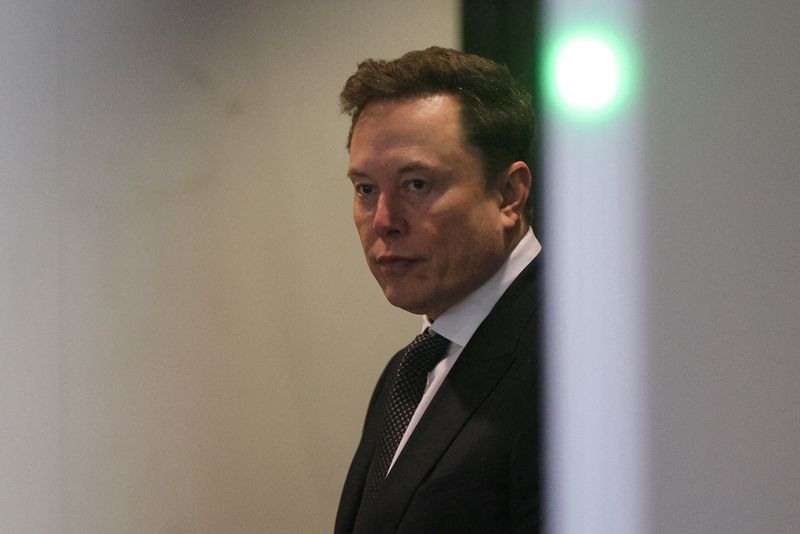
A federal judge in Washington, D.C. has given her approval to the Securities and Exchange Commission's settlement with Elon Musk regarding his Twitter share acquisition, yet not without notable reservations about what she saw as problematic aspects of the agreement. U.S. District Judge Sparkle Sooknanan sanctioned the accord on Wednesday, though her written decision made clear her discomfort with several elements of the deal, including what she characterised as concerning "red flags" that the settlement raised about regulatory consistency and fairness.
The core dispute centres on Musk's delayed disclosure of his initial Twitter share purchases in March and April 2022. According to the SEC's allegations, Musk waited eleven days longer than required to publicly reveal his shareholding position, a gap the regulator contends allowed him to acquire stock at suppressed prices before market participants became aware of his accumulation strategy. The agency estimates this disclosure delay generated illicit gains of approximately $150 million for Musk, who ultimately concluded his acquisition of the entire platform for $44 billion that October and subsequently rebranded it as X.
Under the settlement terms, a trust established in Musk's name will remit $1.5 million to resolve the SEC's charges, a financial commitment Musk has characterized as addressing an inadvertent oversight rather than any deliberate misconduct. The entrepreneur has consistently maintained that the timing discrepancy was unintentional rather than calculated market manipulation, a position that appears to have influenced the agency's decision to pursue settlement rather than costly litigation. For Malaysian readers, this case illustrates broader global tensions between regulatory enforcement and the practical constraints governing securities oversight, particularly when high-profile billionaires are involved.
Judge Sooknanan's written opinion, however, reveals substantial judicial skepticism about whether the SEC negotiated this agreement with sufficient vigour and consistency. She questioned why the regulatory body abandoned its traditional demand for disgorgement—requiring violators to surrender ill-gotten profits to compensate harmed investors—in Musk's case. The judge pointedly noted that while the SEC's defence that it had not historically pursued disgorgement in comparable situations might have merit, such a position raises fundamental questions about why the agency would reach settlement on those grounds in the first place.
Particulars of the settlement structure also troubled the judge. The arrangement allows Musk himself to publicly claim vindication and innocence, since the payment technically comes from his trust rather than from him personally, creating a distinction that the judge found conceptually problematic. This structural choice enables Musk to maintain that he has been cleared of wrongdoing, a narrative advantage that Sooknanan seemed to view as potentially inconsistent with genuine regulatory accountability. The judge's observations on this point carry particular significance for regulators worldwide wrestling with how to structure settlements that appear both fair to the public and psychologically satisfying to enforcement agencies.
Sooknanan articulated perhaps her deepest concern through a pointed question about whether Musk received exceptional treatment unavailable to other alleged securities law violators. She wondered aloud whether the SEC would extend comparable "solicitude" to other defendants or whether this represented a singular accommodation fashioned specifically for Musk. She also highlighted the peculiar circumstances surrounding the settlement's announcement in May, which followed the March departure of SEC enforcement chief Margaret Ryan after merely six months leading the division, and noted that litigation lawyers appeared genuinely surprised to learn that settlement discussions had been occurring.
The timeline and internal dynamics within the SEC raise additional questions about decision-making processes at the agency. Ryan had apparently experienced friction with other agency leadership regarding the direction of enforcement priorities, and her relatively swift exit preceded the announcement of this notably permissive settlement. The sequence of events invites scrutiny about whether enforcement philosophy or personnel shifts influenced how aggressively the SEC pursued its case against Musk, a question Sooknanan deemed relevant to evaluating the settlement's overall appropriateness.
In its formal response to judicial concerns, the SEC maintained that no collusion occurred and characterised the $1.5 million penalty as the largest sanction of its particular type. The regulator also emphasised that the public interest receives protection through an injunction effectively constraining Musk's discretion when he operates through the trust vehicle, which the SEC described as an important investment instrument for managing his substantial wealth. Whether this injunction mechanism provides meaningful ongoing oversight remains a matter of interpretation, particularly given the practical challenges of monitoring a trust's operations and enforcing compliance conditions against someone of Musk's resources and influence.
The judge's approval, despite her misgivings, underscores a fundamental tension within the American legal system. Sooknanan observed that while courts reviewing consent judgments function neither as mere rubber stamps automatically endorsing agency agreements nor as comprehensive ombudsmen capable of second-guessing every regulatory decision, they must still assess whether settlements meet baseline standards of fairness and reasonableness. She pointedly suggested that determinations about whether the executive branch—operating through the SEC—has adequately held Musk accountable ultimately rest with the American citizenry through the electoral process rather than remaining purely a judicial matter.
For regional observers, the settlement illustrates how billionaire-scale wealth can complicate regulatory enforcement even in sophisticated jurisdictions with established enforcement infrastructure. Musk's estimated $927.2 billion net worth and his influence across multiple industrial sectors—including electric vehicles through Tesla and aerospace-defence through SpaceX—create enforcement challenges that regulators in smaller economies might find even more daunting. The case also demonstrates how changes in administrative personnel and enforcement philosophy can materially affect outcomes in major regulatory proceedings.
The broader implications extend to questions about regulatory consistency and the rule of law in technology-dominated economies. When prominent entrepreneurs achieve settlement terms that diverge substantially from precedent, it potentially establishes expectations among other regulated entities about the leniency available to those with sufficient resources and political connections. For Malaysian policymakers developing financial regulatory frameworks and enforcement capabilities, the Musk settlement illustrates risks of settlement approaches that may generate public credibility questions even when technically meeting legal minimums.
Musk's connections to the Trump administration—he served as an informal adviser to the Republican president—may have influenced perceptions, though Judge Sooknanan, herself appointed by former Democratic President Joe Biden, avoided explicit allegations of political interference. Her carefully calibrated skepticism appears calculated to raise concerns for public consideration without definitively accusing the SEC of improper conduct. The settlement's survival despite judicial misgivings suggests that regulatory agreements face high bars for judicial invalidation, even when judges harbour substantive doubts about their adequacy.

