A United States federal judge has given final approval to a settlement between authors, publishers and Anthropic, the company behind the Claude chatbot, over the unauthorized use of literary works for artificial intelligence training. District Judge Araceli Martínez-Olguín announced the decision on July 20, determining that the agreed settlement offers "meaningful relief" to the creative professionals whose intellectual property was involved in the controversy.
The scope of the settlement is substantial, encompassing more than 482,000 books that were incorporated into Anthropic's machine learning systems. What distinguishes this outcome is the participation rate among affected parties: over 91 percent of authors and publishers whose works fell under the settlement framework have already submitted claims to receive compensation. This exceptionally high claim rate suggests broad recognition among the creative community that the settlement represents a meaningful remedy for their grievances.
The legal history leading to this approval illuminates the complexities surrounding artificial intelligence and copyright in the contemporary digital landscape. District Judge William Alsup, who initially handled the case in San Francisco federal court, granted preliminary approval last September before subsequently retiring from the bench. Notably, Alsup's earlier rulings had presented a nuanced position on the matter: while he determined that utilizing copyrighted literary material to train AI chatbots did not inherently constitute copyright infringement, he simultaneously found that Anthropic had engaged in wrongful acquisition of these books by sourcing them through piracy networks rather than legitimate channels.
This distinction between the legality of the training methodology itself and the legitimacy of how the material was obtained proved crucial to the settlement's framework. The ruling essentially established that while machine learning on copyrighted works may fall within fair use protections under American copyright law, the method of obtaining those works matters significantly from a legal standpoint. For Anthropic, the settlement represents a resolution to a case that could have resulted in substantially more damaging consequences had the court ruled differently on the underlying copyright questions.
Attorney Justin Nelson, representing the plaintiffs, characterized the outcome as transformative within the context of intellectual property disputes. In a statement, Nelson described the settlement as "the largest known copyright recovery in history," underscoring its significance as a precedent-setting resolution. His assertion about rapid distribution to claimants signals that the legal process will move expeditiously toward compensating affected authors and publishers, potentially enabling many creators to receive financial restitution within a reasonable timeframe.
Anthropine's response to the settlement approval reveals the company's strategic positioning within the broader debate over artificial intelligence development and copyright law. Through deputy general counsel Aparna Sridhar, Anthropic emphasized the favorable aspects of Judge Alsup's earlier ruling, particularly the determination that training AI systems on books constitutes fair use under copyright doctrine. Sridhar's statement framed the settlement as a welcomed conclusion to litigation while simultaneously highlighting what the company views as a vindication of its fundamental approach to AI training methodologies. This rhetorical strategy allows Anthropic to acknowledge the settlement without conceding that its practices were inherently problematic.
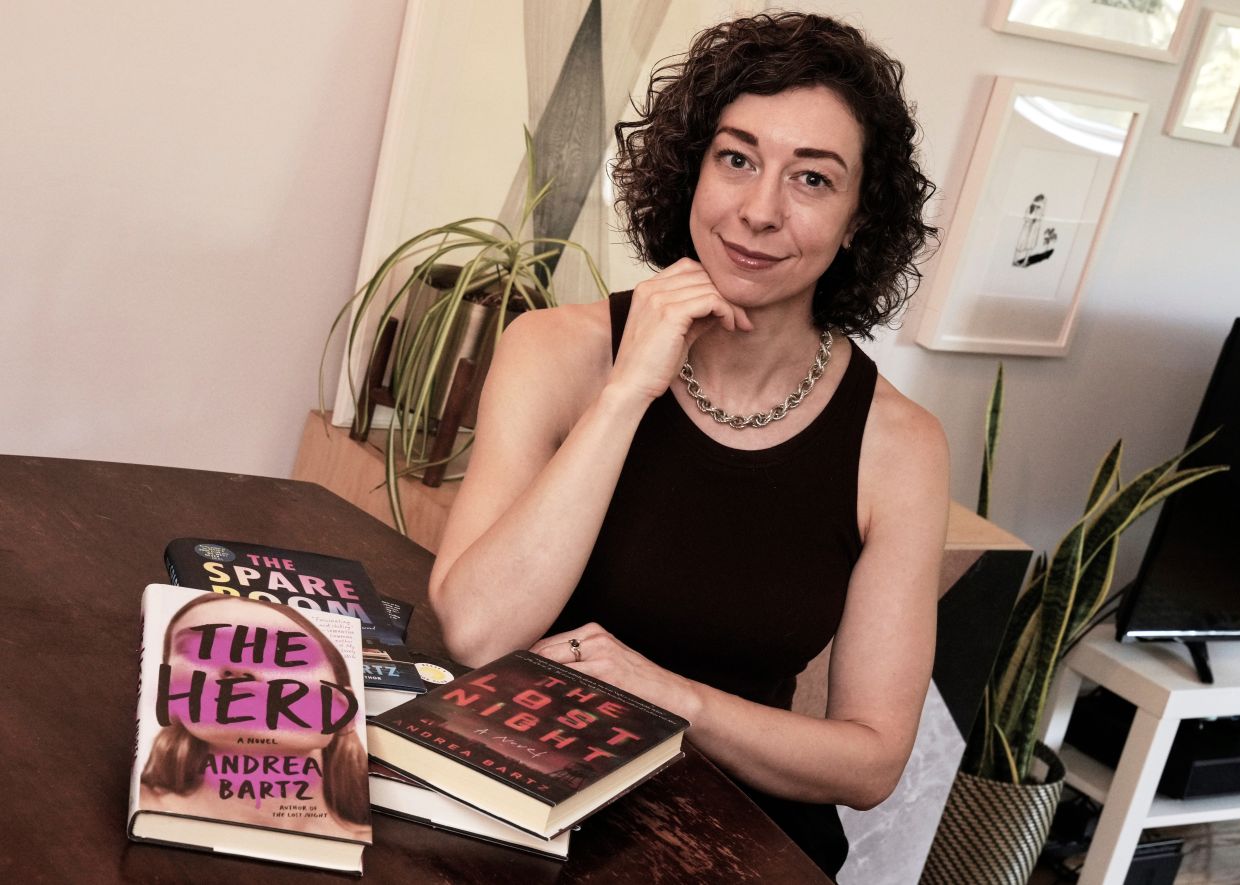
The genesis of this litigation traces back to 2024, when bestselling thriller author Andrea Bartz, alongside two other literary figures, initiated the class-action lawsuit against Anthropic. Their decision to pursue legal action reflected growing concern within the creative industries about the unauthorized deployment of copyrighted material in machine learning systems without compensation or consent from rights holders. The case quickly garnered attention as representative of dozens of similar copyright disputes involving artificial intelligence companies that continue to wind through various court systems.
The significance of this settlement extends considerably beyond the immediate financial remedies it provides to individual authors and publishers. The outcome establishes important legal precedent regarding how courts will evaluate disputes between AI developers and content creators in an era when machine learning increasingly relies on vast quantities of digitized literary material. For the creative industries across Southeast Asia and globally, the ruling demonstrates that copyright protections retain meaningful force even as technological capabilities advance, provided that content acquisition occurs through legitimate rather than infringing channels.
The settlement's implications reverberate throughout the artificial intelligence sector and technology industry more broadly. By establishing substantial financial consequences for acquiring copyrighted material through unauthorized channels while simultaneously validating fair use doctrine for the training process itself, the court has created a framework that incentivizes legitimate licensing arrangements. This approach potentially opens pathways for negotiated agreements between AI developers and content rights holders rather than pure litigation.
For Malaysian readers and the broader Southeast Asian technology and creative communities, this development warrants attention as regional jurisdictions increasingly grapple with artificial intelligence regulation and copyright protection in digital economies. The United States settlement provides a reference point for how courts might evaluate similar disputes in other jurisdictions, particularly as regional governments formulate policies around AI development and intellectual property rights in the context of rapid technological advancement.
The numerous other AI copyright lawsuits currently advancing through American courts suggest that this settlement, while substantial, represents merely the initial resolution in what will likely become a prolonged legal terrain surrounding artificial intelligence and creative rights. Future rulings will probably refine the boundaries between permissible fair use and infringing conduct, establishing clearer expectations for technology companies operating in this space and potentially influencing how courts worldwide approach comparable disputes.

