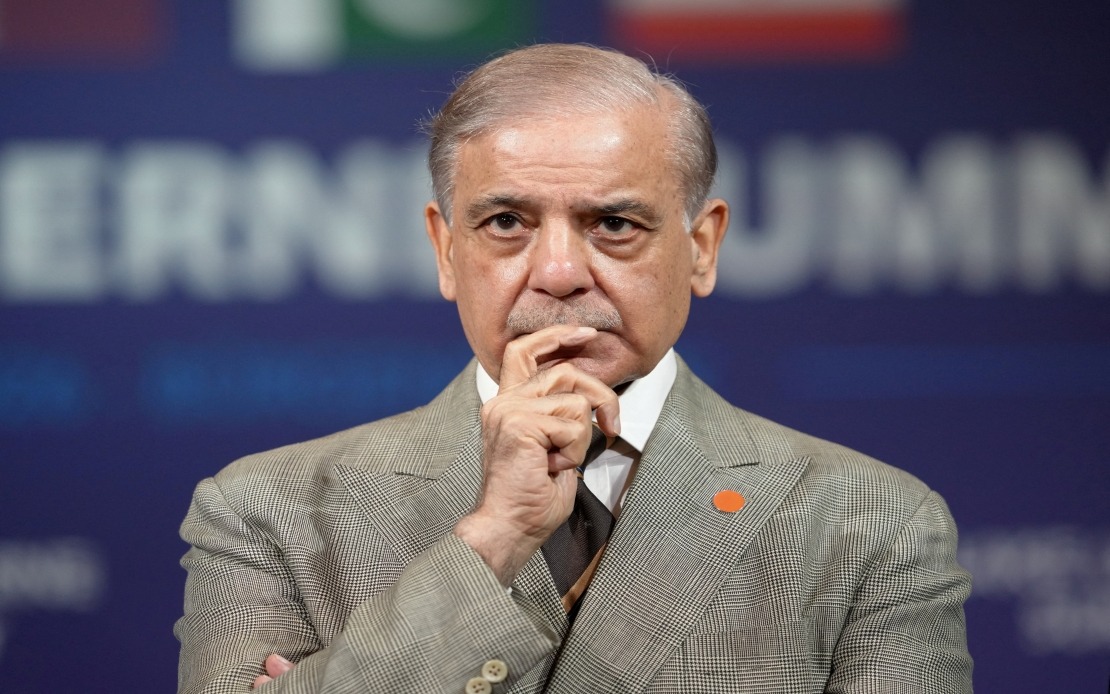
Pakistan's Prime Minister Shehbaz Sharif has signalled a significant diplomatic breakthrough in the longstanding standoff between the United States and Iran, announcing plans for intensive negotiations in the coming two months aimed at transforming a recent understanding into a comprehensive and durable settlement. Speaking before lawmakers in the National Assembly in Karachi on Tuesday, Sharif outlined the framework of negotiations that will focus on the nuclear programme, ballistic missile capabilities, and the thorny issue of Iranian assets frozen in international accounts—matters that have remained flashpoints in efforts to restore stability in one of the world's most volatile regions.
The comments came just days after the US and Iran concluded what officials have characterised as productive talks in Burgenstock, Switzerland, resulting in the signing of the Islamabad Memorandum of Understanding on June 17. Pakistan's pivotal role as a mediator in these discussions underscores the nation's importance in regional diplomatic architecture, positioning it alongside Qatar as a broker of peace in a conflict with implications extending far beyond the Middle East. The provisional agreement establishes working mechanisms designed to facilitate deeper engagement, with both parties committing to utilise the next 60-day period to hammer out details that could reshape international relations and security arrangements across Asia.
Sharif emphasised the significance of converting the preliminary understanding into what he termed a "long-lasting agreement," suggesting that the initial accord represents groundwork rather than a final settlement. The three key areas—nuclear matters, frozen assets, and missile programmes—have historically proven challenging to reconcile, given fundamental disagreements over inspection regimes, sanctions relief, and military transparency. The decision to compartmentalise these issues into technical-level discussions indicates a structured approach designed to build trust incrementally rather than pursuing an all-or-nothing negotiating strategy that has failed previously.
However, the announcement from Iran's Foreign Ministry presents a more cautious picture, with spokesman Esmaeil Baghaei explicitly stating that Tehran's ballistic missile capabilities have never featured in discussions with Washington and will not be placed on the negotiating table. This contradiction between Pakistani and Iranian statements suggests potential gaps in understanding or differing interpretations of what the preliminary accord entails. Baghaei's comments imply that Iran views its missile programme as non-negotiable, a position rooted in the nation's security doctrine and perception of existential threats from regional adversaries backed by Western powers.
The Iranian position on International Atomic Energy Agency inspections further illustrates the complexity of forthcoming talks. Baghaei declared that Tehran has no intention of permitting IAEA inspectors to access nuclear facilities that were targets of military strikes during the US-Israeli campaign against Iranian sites. This stance reflects Iranian grievance over what it perceives as hostile military action and raises questions about how verification mechanisms could be incorporated into any final agreement without infringing on Iranian sovereignty or creating security vulnerabilities.
For Malaysia and Southeast Asian nations, these developments carry several implications. The region's energy security depends partly on stability in the Middle East and freedom of navigation through critical shipping lanes. A sustained confrontation between the US and Iran risks disrupting global oil markets and increasing geopolitical tensions that could reverberate across maritime routes vital to regional trade. Conversely, a successful diplomatic settlement could ease regional tensions and create opportunities for enhanced trade and investment.
Pakistan's mediation role also underscores how middle-power nations can leverage their geographical position and diplomatic relationships to influence global affairs. For Southeast Asian states watching these developments, Pakistan's success—or lack thereof—in facilitating an agreement offers lessons in how regional actors can insert themselves into international disputes to advance their own interests and enhance their standing on the global stage. The involvement of Qatar alongside Pakistan demonstrates how coalition-building among mediators enhances credibility and broadens the diplomatic base for negotiations.
The 60-day timeline represents an ambitious schedule for resolving differences that have festered for years. Both parties will need to demonstrate flexibility and political will to move beyond entrenched positions. The agreement on mechanisms for advancing negotiations, though vague in public statements, presumably includes provisions for regular consultations, dispute resolution procedures, and benchmarks for progress. Success will require both Washington and Tehran to view compromise not as capitulation but as a pragmatic path toward stability that serves their respective strategic interests.
The distinction between the preliminary accord and a permanent agreement is critical. The MoU appears designed to establish a framework and commitment to continued dialogue rather than settling substantive disputes outright. This staged approach allows negotiators to explore creative solutions without the pressure of finalising every detail immediately. However, it also means that significant obstacles could emerge during technical discussions, potentially derailing progress if either party uses the coming weeks to harden rather than soften its positions.
Observers in Southeast Asia should monitor how these negotiations develop, particularly regarding any agreements on nuclear transparency or missile limitations, as outcomes could influence broader patterns of arms competition and security balancing in Asia. The success or failure of US-Iran diplomacy may also affect how other regional powers perceive the utility of multilateral negotiations versus unilateral strategic advancement, shaping diplomatic practices and alliance patterns across the continent for years to come.