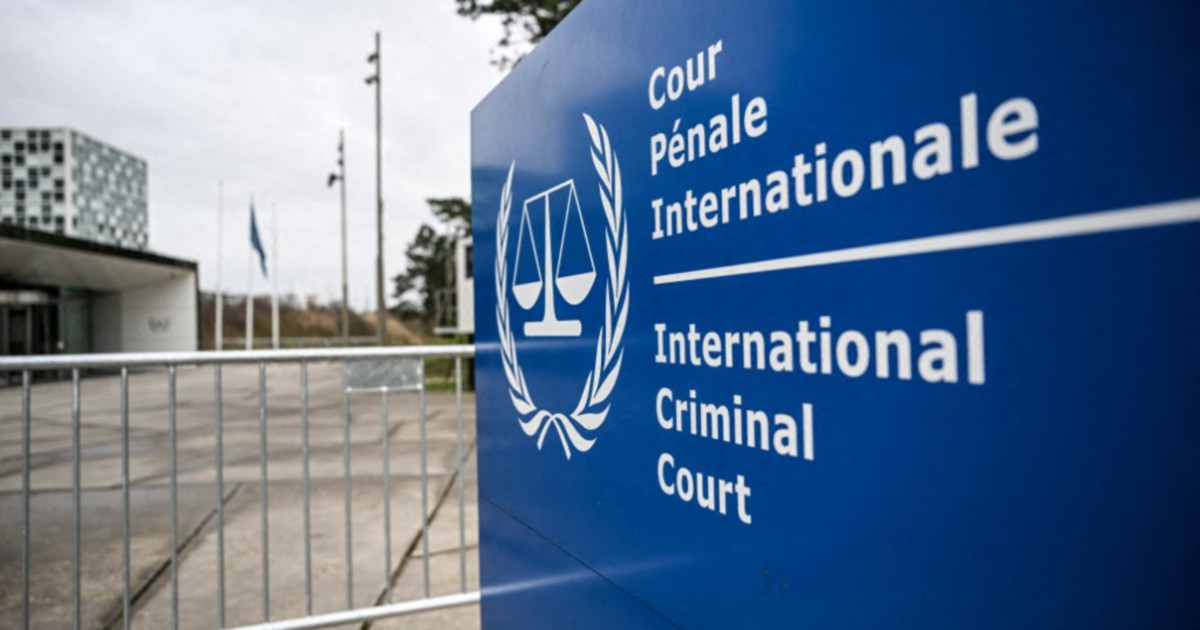
Two United States-based advocacy groups have initiated legal proceedings against the Trump administration, challenging the constitutionality of sanctions directed at the International Criminal Court. The lawsuit, filed on Wednesday, claims that the punitive measures violate fundamental free speech protections enshrined in the American constitution, coming as US officials have intensified diplomatic pressure on the international institution this week.
The timing of the legal action reflects growing concern among civil society organisations about the scope and nature of the Trump administration's approach to the ICC. Rather than engaging through traditional diplomatic channels, the administration has adopted what critics characterise as an aggressive stance aimed at fundamentally dismantling the tribunal's operations and credibility on the global stage.
From a Malaysian perspective, this development carries significant implications. As a member of the international community with its own interests in maintaining functional global institutions, Malaysia has traditionally supported the ICC's mandate to investigate and prosecute crimes against humanity, genocide, and war crimes. The assault on the court's independence and operating capacity affects the broader multilateral system that smaller nations like Malaysia depend upon for protection and justice mechanisms.
The advocacy groups argue that sanctions targeting the ICC function as a form of state suppression of speech and association. Their constitutional argument hinges on the principle that Americans, including journalists, researchers, and civil society actors, possess the right to engage with, support, and interact with international institutions without facing governmental coercion. By imposing economic penalties on the court, the administration effectively restricts the ability of American citizens and organisations to work with ICC officials and participate in its processes.
This legal challenge also underscores the broader tensions between unilateral action by powerful states and the maintenance of international legal frameworks. The ICC, headquartered in The Hague, operates as an institution of last resort when national courts fail to prosecute perpetrators of mass atrocities. Its independence is theoretically protected by the Rome Statute, the founding treaty that currently has 123 state parties. However, the United States itself has never been a party to the statute, a historical position that complicates Washington's efforts to influence or constrain the court without appearing as though it is acting from a position of legal standing.
The diplomatic campaign accompanying these sanctions reflects a particular concern: recent ICC investigations have touched upon cases involving American interests and personnel. This context matters significantly for Southeast Asian nations, including Malaysia, which may have concerns about how similar disputes with powerful states could affect their own position within international legal frameworks.
For Malaysian observers and policymakers, the lawsuit presents an interesting case study in how domestic legal systems can serve as checks on executive power in foreign policy decisions. The American constitutional system provides its citizens recourse through courts when they believe government actions violate their rights. Malaysia and other Southeast Asian democracies operate under different legal frameworks, yet the principle of separation of powers and judicial review remains relevant across the region.
The broader geopolitical backdrop cannot be ignored. The Trump administration's antagonism toward the ICC reflects a longer-standing pattern of American ambivalence toward institutions that might exercise jurisdiction over American actors or interests. This stance contrasts sharply with statements from human rights advocates who argue that institutions like the ICC are essential precisely because national justice systems sometimes fail or are unwilling to prosecute powerful individuals, including government officials.
The lawsuit also raises practical questions about how such sanctions affect the court's operational capacity. If the United States successfully pressures other nations to reduce their support for the ICC, the institution loses resources and legitimacy precisely when complex investigations into mass atrocities in various global regions require robust institutional capabilities. For Southeast Asia, where some states have experienced internal conflicts and where questions about accountability persist, a weakened ICC diminishes one potential avenue for transitional justice.
The outcome of this constitutional challenge will test whether American courts view sanctions against international institutions as matters of core foreign policy discretion, exempt from constitutional scrutiny, or whether free speech and association protections extend to Americans' engagement with global bodies. Legal precedent in this area remains unsettled, making the case potentially consequential for how presidential power over international relations is understood and constrained.
For Malaysia and the region, monitoring this legal battle matters beyond academic interest. The health of international institutions, the respect accorded to them by powerful states, and the ability of civil society to engage with them freely all affect the stability of the rules-based international order that smaller nations depend upon. If the Trump administration succeeds in its diplomatic assault on the ICC despite domestic legal challenges, it signals that powerful states can effectively weaken international institutions when it suits their interests, a precedent with implications extending well beyond the justice sector.

