Universiti Pendidikan Sultan Idris (UPSI) is pursuing an ambitious healthcare initiative that would see the establishment of a private specialist hospital in Tanjong Malim, marking a significant expansion of support services at the institution. The university's leadership has confirmed that preliminary discussions are underway to identify potential operators and develop viable business models for the facility, reflecting a broader strategic vision to transform the Perak campus into a comprehensive educational and lifestyle destination.
The vision emerged during remarks made by UPSI's vice-chancellor, Prof Datuk Dr Md Amin Md Taff, who outlined the university's commitment to addressing the expanding healthcare demands of its international student body and workforce. As UPSI's enrolment continues to grow, particularly among overseas scholars drawn from across Southeast Asia and beyond, basic medical services no longer suffice. A dedicated specialist facility would enable the university to provide comprehensive care without requiring students and staff to travel considerable distances to urban medical centres, thereby enhancing the institution's competitive positioning in the increasingly competitive global higher education market.
The hospital proposal sits within a larger ecosystem development strategy that positions Tanjong Malim as an emerging knowledge city. By combining educational institutions with complementary healthcare and residential facilities, UPSI seeks to create an integrated community that extends the university's influence beyond the classroom. This approach aligns with contemporary models adopted by leading international universities that have developed comprehensive campus environments offering multiple services to support both academic and personal needs.
Beyond immediate healthcare considerations, UPSI is simultaneously exploring retirement facilities that would enable former academics and staff members to maintain their connections with the university throughout their retirement years. This initiative reflects a growing recognition across Malaysian higher education that universities occupy a unique position to foster lifelong community engagement. Rather than allowing alumni and retired personnel to disperse entirely, the development of on-campus or near-campus retirement accommodation creates sustainable bonds that strengthen institutional networks and allow universities to benefit from the experience and wisdom of emeritus scholars.
The university is currently evaluating multiple approaches to realise these ambitions. Rather than pursuing direct ownership and operation of a hospital facility, UPSI appears inclined toward partnership models with established private healthcare operators. This pragmatic approach acknowledges that effective hospital management requires specialised expertise and substantial capital investment beyond the university's core competencies. By identifying external operators willing to establish and manage facilities on or adjacent to UPSI land, the university can leverage private sector efficiency while maintaining influence over standards and accessibility for the campus community.
For Tanjong Malim specifically, the hospital development would represent a transformative addition to local healthcare infrastructure. The town has historically relied on government facilities for secondary and tertiary care, with residents requiring referral to larger urban centres for specialist treatment. A private specialist hospital would not only serve the university community but also enhance available medical services for surrounding populations, potentially improving health outcomes across the region and attracting healthcare professionals seeking contemporary facilities and professional development opportunities.
This initiative also carries implications for Malaysia's broader healthcare landscape. As the nation pursues Universal Health Coverage targets while managing burgeoning chronic disease prevalence, private sector partnerships have become increasingly important for expanding specialist capacity. The UPSI model demonstrates how educational institutions can function as anchor tenants for healthcare facilities, providing a stable patient base that supports operational sustainability while enabling private providers to serve wider communities. Should the initiative succeed, it may provide a blueprint for other universities contemplating similar arrangements.
The timing of this announcement reflects Malaysia's evolving approach to balancing public healthcare provision with private sector involvement. While government facilities remain the cornerstone of the healthcare system, private specialists have increasingly complemented public services, particularly in urban and emerging regional centres. UPSI's proposal thus represents an evolution in institutional strategy rather than a departure from established patterns, working within existing frameworks while expanding the university's service ecosystem.
The vice-chancellor's emphasis on aligning the hospital development with "current developments and community needs" signals that UPSI views this initiative as integral to institutional sustainability. Universities worldwide are recognising that being merely centres for teaching and research no longer suffices in competitive higher education markets. Institutions that create comprehensive environments addressing students' practical needs—from healthcare to accommodation to recreational facilities—enjoy advantages in recruitment, retention, and alumni engagement.
Implementation of the hospital initiative will likely require navigating regulatory frameworks governing private healthcare provision in Malaysia, including licensing requirements, professional registration standards, and integration with existing referral networks. UPSI's ongoing assessment of business models suggests the university is conducting thorough due diligence on these matters before proceeding to formal partnerships or construction phases.
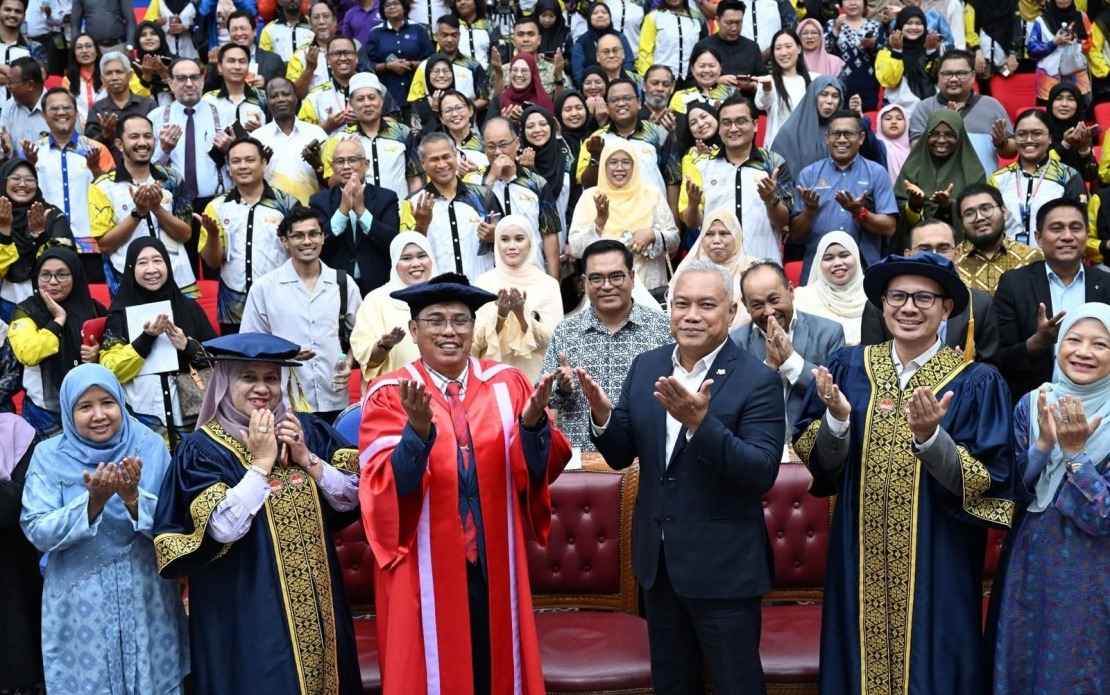
Prof Datuk Dr Md Amin Md Taff's public articulation of these plans also reflects confidence in the university's trajectory and financial position. Capital-intensive infrastructure projects of this scale require institutional stability and demonstrated commitment to long-term development goals. By announcing the initiative during a significant campus event—the Budiman Lecture Series and farewell reception for the Dean of the Faculty of Human Development—UPSI has positioned the hospital proposal as integral to the institution's identity and mission evolution.
The retirement facilities component of UPSI's strategic vision deserves particular attention, as it addresses a growing demographic challenge facing Malaysian institutions and society broadly. An ageing workforce combined with increasing life expectancy means universities must consider how to maintain meaningful engagement with alumni and retired faculty members. Creating retirement communities adjacent to campuses enables continuous intellectual exchange, supports productive ageing, and strengthens institutional cohesion across generational lines.
Moving forward, the success of UPSI's healthcare and retirement initiatives will depend substantially on securing appropriate private sector partners, obtaining necessary regulatory approvals, and securing funding mechanisms suitable to the scale of investment required. The university's clear articulation of its vision and commitment to exploring viable business models suggests these prerequisites are being addressed systematically, positioning Tanjong Malim for transformation into a more comprehensive institutional and community hub.

