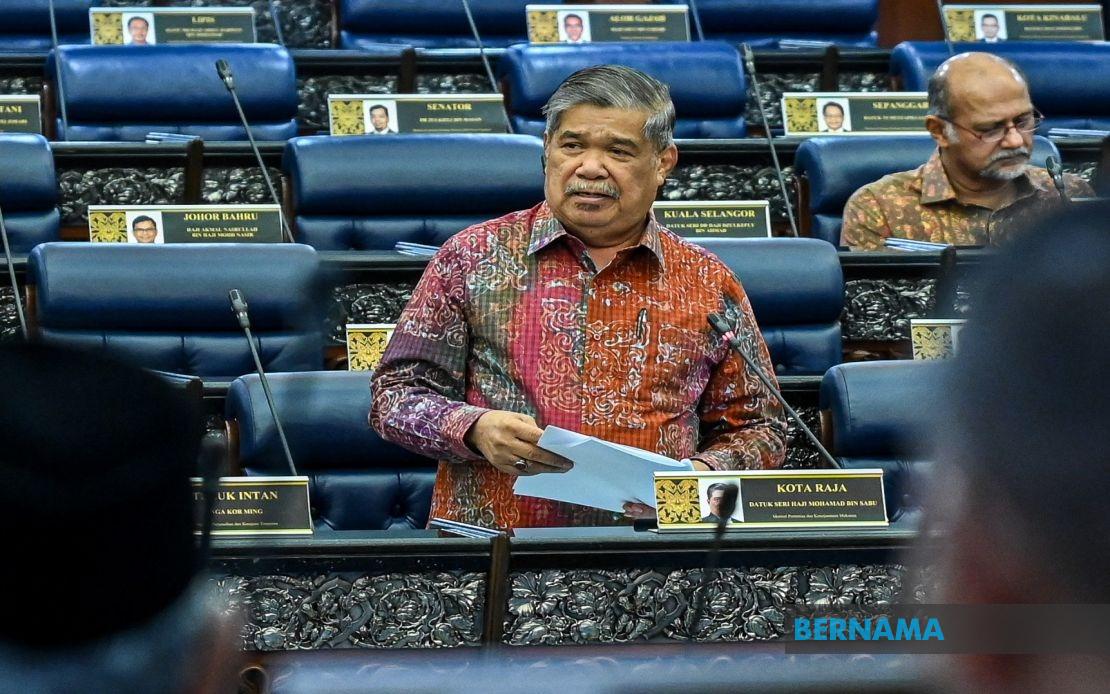
The Malaysian government is moving to formalise the fishing sector by permitting unlicensed fishermen to seek permits under a periodic regularisation scheme designed to address the gap created when existing licences are surrendered or revoked. Agriculture and Food Security Minister Datuk Seri Mohamad Sabu announced the initiative in parliament, explaining that the programme serves as a mechanism to bring previously informal operators into the formal economy while filling vacancies within the national licensing framework.
The regularisation approach represents a pragmatic attempt to balance regulatory compliance with the livelihoods of traditional fishing communities, many of whom have operated for generations without formal documentation. By establishing clear pathways to legitimacy, the government aims to expand participation in legal fisheries while simultaneously strengthening enforcement of conservation measures. Mohamad highlighted that formalised operations enable fishermen to access government assistance programmes—including subsidies, loans, and insurance schemes—that remain inaccessible to those operating outside the regulatory system.
Specific eligibility criteria have been established to ensure that permits are allocated to genuine maritime workers rather than speculators or investors with marginal connections to the trade. Applicants must be at least 18 years old, demonstrate good health, and provide evidence of a 10-year residency confirmation from their fishing village head, affirming their long-standing ties to coastal communities. Additionally, prospective licensees must commit to spending a minimum of 120 days annually at sea, a requirement intended to prevent licence hoarding by individuals who do not actively participate in fishing operations.
Pension income thresholds form another component of the eligibility framework, with retirees permitted to hold permits provided their monthly pension does not exceed RM2,200. This mechanism ensures that scarce licence allocations prioritise those dependent on fishing as a primary income source rather than supplementary earners. Applicants must also secure endorsement from their respective State Fisheries Office, adding a layer of regional oversight to the approval process and enabling authorities to assess local resource conditions and individual circumstances.
The licensing approval trajectory reveals modest but consistent activity within the framework. Last year, the Fisheries Department approved 800 licences nationwide, compared to 915 approvals in the preceding year, indicating a slight contraction in new permit issuance. The fluctuation likely reflects both the finite number of available vacancies created through licence cancellations and the rigorous screening process designed to maintain sustainability standards within Malaysia's fishing grounds.
Minister Mohamad stressed that existing licensing conditions remain fit for purpose and continue to safeguard against indiscriminate allocation. The department has committed to periodic reviews of its criteria, particularly in response to parliamentary pressure for greater transparency. The minister explicitly invited citizens to report instances where non-fishermen have obtained permits, signalling that compliance verification will extend beyond initial application screening to ongoing monitoring of licence-holder activities.
For traditional fishermen previously facing enforcement action over licensing gaps, the regularisation programme offers an alternative to penalties and vessel seizure. However, the stringent requirements—particularly the residency confirmation and annual sea-days threshold—may present obstacles for some aspiring applicants, particularly those in economically strained communities where documentation systems are less formalised. The requirement for village head verification assumes functioning local administrative structures that may vary significantly across Malaysia's diverse coastal regions.
The programme reflects broader regional and global trends toward formalising informal maritime sectors. Southeast Asian governments increasingly recognise that sustainability and revenue collection depend on bringing unregistered operators into transparent systems where catches can be monitored, fishing grounds protected, and illegal activities identified. By combining accessible regularisation pathways with substantive eligibility criteria, Malaysia aims to expand its regulated fishing base while maintaining standards that prevent resource depletion.
The scheme's success will depend heavily on implementation capacity at District Fisheries Offices, which must process applications fairly while verifying documentation in environments where records may be incomplete or informally maintained. Training staff to assess residency claims and vessel operation histories represents a significant operational undertaking. Regional disparities in administrative efficiency could create unequal access to regularisation, potentially advantaging fishermen in better-resourced districts while disadvantaging those in more remote areas.
For small-scale and artisanal operators particularly, the regularisation pathway addresses a critical vulnerability that has long characterised Malaysia's fishing communities. Unlicensed status leaves workers exposed to confiscation, fines, and prosecution while denying them access to credit, insurance, and subsidy programmes that could improve productivity and reduce economic precarity. Formalisation also strengthens the government's ability to gather market data and design interventions responsive to sector-specific challenges.
The minister's invitation for citizens to report misallocated licences underscores that regularisation is not a blank amnesty but rather a structured engagement between government and previously informal operators. This enforcement posture protects the integrity of the licensing system against corruption while building public confidence that compliance requirements apply uniformly. Going forward, the department's capacity to sustain monitoring and respond to intelligence will determine whether formalisation translates into genuine improvements in governance and sustainability outcomes across Malaysia's fishing industry.

