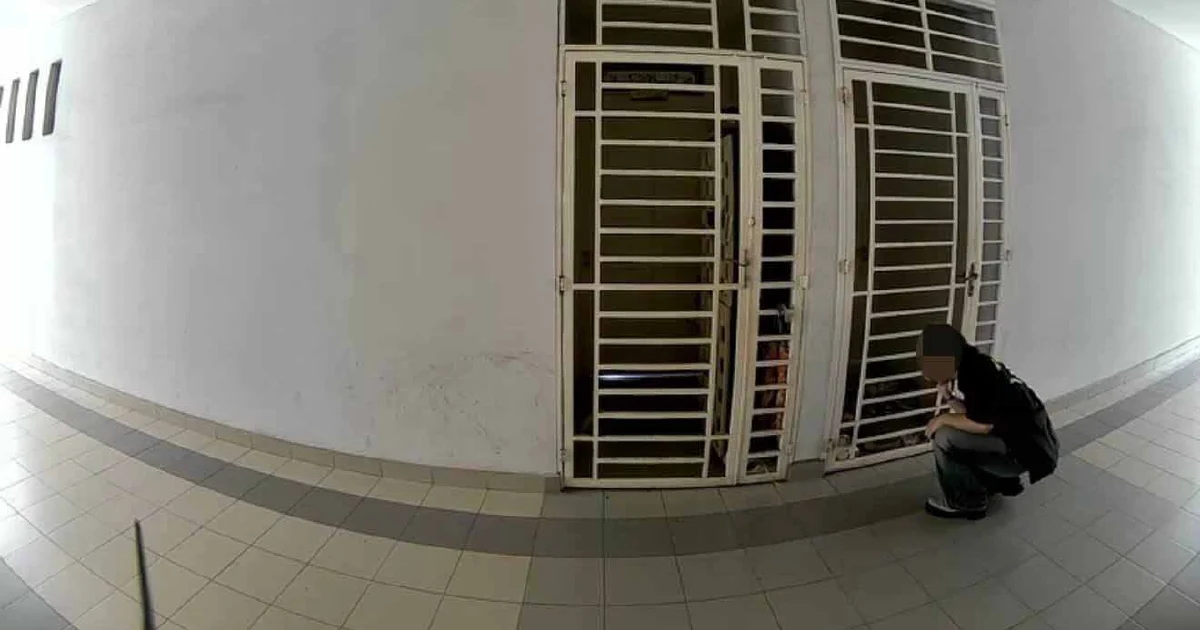
Police in Shah Alam have taken a public university student into custody following complaints of sustained harassment and stalking directed at a female fellow student dating back to April. The arrest underscores ongoing concerns about personal safety within Malaysian university campuses and the growing prevalence of unwanted pursuit cases that authorities are increasingly called upon to investigate.
The decision to arrest the student comes after a formal complaint lodged by the victim, who detailed a pattern of behaviour spanning several months. The extended timeframe of the alleged conduct—running continuously from April onwards—suggests a persistent course of action that the student apparently felt emboldened to maintain despite the discomfort and distress it caused the complainant. Such duration raises questions about whether warning signs were observed by peers or institutional supervisors earlier in the sequence of events.
Harassment and stalking cases on university campuses have become an increasingly visible problem across Malaysia and the wider region. The shift from occasional confrontations to systematic, prolonged pursuit campaigns reflects broader changes in how interpersonal conflicts escalate in educational settings. The fact that the alleged perpetrator is a peer enrolled at the same institution adds a particular dimension, as it means both parties share the same physical spaces and social networks, making avoidance and recovery more complicated for the victim.
Malaysian universities have faced mounting pressure to implement clearer protocols for handling harassment complaints and to provide stronger support mechanisms for affected students. Many institutions have historically adopted an approach that minimises external involvement, preferring to address such matters through internal disciplinary channels. However, the involvement of law enforcement in this case suggests that the severity of the allegations and the extended nature of the conduct warranted investigation by authorities rather than reliance on institutional processes alone.
The arrest also highlights the intersection between criminal law and university disciplinary frameworks. While universities possess the authority to impose sanctions such as suspension or expulsion through their own regulations, criminal statutes such as those covering stalking and harassment provide additional protections and consequences. Police action signals that the conduct in question has crossed from being purely an internal institutional matter into territory where public order and personal safety are deemed to be at stake.
From the victim's perspective, the decision to report the matter to police represents a significant step that many students hesitate to take due to concerns about social ostracism, institutional retaliation, or uncertainty about whether law enforcement will take the complaint seriously. The fact that authorities acted on the complaint and proceeded with an arrest may serve to encourage other students who experience similar situations to come forward, knowing that there is a pathway to official intervention.
The implications of this case extend beyond the two individuals directly involved. The university community itself faces renewed attention on the question of whether campus environments adequately protect students from predatory or harassing behaviour. Administrators will likely face scrutiny regarding what preventive measures were in place, whether the victim had sought assistance through official channels before escalating to police, and what institutional response will follow the criminal investigation.
The arrest also comes at a time when Malaysian society is experiencing wider discussions about consent, personal boundaries, and acceptable behaviour in shared spaces. Universities serve as environments where young adults navigate complex social dynamics and develop understandings of mutual respect. Cases of prolonged harassment suggest that not all students have internalised the ethical frameworks necessary for respectful coexistence, or that some individuals deliberately disregard the boundaries that others establish.
Police investigations into such cases require careful handling to ensure that evidence is properly gathered and documented, particularly since much harassment today involves digital communication alongside physical stalking. Officers must establish a clear timeline and pattern of behaviour, which the victim's account spanning from April onwards should facilitate. The investigation may reveal whether there were multiple forms of contact—messages, social media engagement, physical surveillance, or unwanted encounters—which together constitute the alleged harassment.
Looking ahead, this case will likely inform discussions within Shah Alam's university community and potentially across other Malaysian higher education institutions about institutional policies, staff training, and student awareness campaigns. Educational institutions have begun recognising that creating a culture where harassment is understood as unacceptable and where victims feel empowered to report requires sustained effort beyond crisis response. The arrest signals that serious allegations will be taken seriously by authorities, but true prevention depends on earlier intervention at the community and institutional level to establish norms of respectful behaviour and to support both potential victims and individuals whose behaviour puts them on a destructive path.

