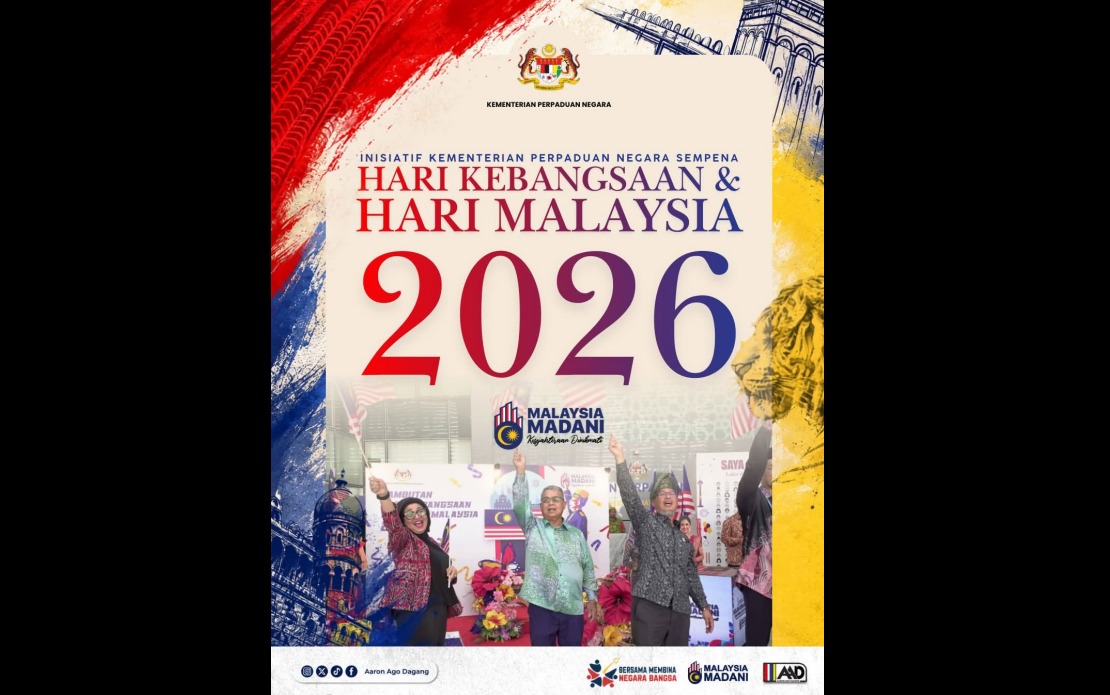
The National Unity Ministry has unveiled an expansive calendar of 11 programmes set to run throughout 2026 as Malaysia marks its annual National Day and Malaysia Day observances. Minister Datuk Aaron Ago Dagang announced the slate of initiatives, which will weave together themes of nationhood, unity, historical reflection and cultural heritage to cultivate deeper patriotic sentiment among Malaysians and sharpen their sense of national belonging.
The initiatives represent a comprehensive effort to engage Malaysians across multiple platforms and age groups. The centrepiece offering, the 2026 National Unity Integration Movement, will serve as an umbrella framework coordinating various activities throughout the celebratory period. Complementing this principal initiative are targeted programmes including Malaysia's Merdeka Children Celebration, specifically designed to inculcate national pride in younger generations who will inherit the nation's future. The ministry also plans to mount an exhibition dedicated to the nation's independence struggle, providing educational context for how Malaysia achieved sovereignty and the sacrifices made in that journey.
Historical commemoration features prominently in the ministry's approach. A dedicated programme honouring Tun Abdul Razak, Malaysia's founding Prime Minister, will spotlight his instrumental role in establishing the nation's foundational institutions and policies. This retrospective dimension anchors contemporary celebrations in concrete historical figures and moments, moving beyond abstract appeals to unity and grounding national identity in tangible achievements and leadership legacies that Malaysians can reference and understand.
Sporting and cultural elements balance the more formal historical content. The Pesta Bola Merdeka Exhibition will activate grassroots engagement through football, a sport with deep community resonance across Malaysian towns and neighbourhoods. This strategy acknowledges that patriotism and unity cannot be transmitted solely through official ceremonies and speeches; they must be embedded in lived experiences and popular cultural moments that resonate emotionally with ordinary citizens. Night at the Museum offerings will similarly make heritage accessible and engaging rather than distant or academic, allowing families to explore national narratives in interactive settings.
Educational competition forms another pillar of the initiative framework. The Rukun Negara Oratory Competition invites Malaysians to articulate, through public speaking, their understanding of and commitment to the five constitutional principles embedded in the Rukun Negara—the nation's philosophical and moral foundation. By transforming the Rukun Negara from a passive document into the subject of competitive discourse, the ministry creates platforms where citizens must actively engage with and articulate what national principles mean to them personally.
For Malaysia's diverse, multicultural population, these programmes carry particular significance. Datuk Aaron Ago Dagang explicitly stated that all initiatives are calibrated to advance national identity while simultaneously embracing Malaysia's ethnic, religious, cultural and geographic diversity. This framing distinguishes the ministry's vision of unity from forced homogeneity; rather, it presents Malaysian nationhood as something capacious enough to encompass and celebrate difference. This approach matters considerably given regional sensitivities around majority-minority relations and concerns that nation-building exercises might privilege particular communities at others' expense.
The timing around 2026 National Day and Malaysia Day—celebrated on 31 August and 16 September respectively—creates a natural focal point for the ministry's efforts. These back-to-back commemorations bracket a period when national consciousness typically peaks, offering extended opportunity to keep patriotic messages and unity themes in public discourse. The staggered nature of the celebrations across two national days also allows the ministry to sustain public engagement momentum across several weeks rather than concentrating all efforts into single-day spectacles.
From a governance perspective, the ministry's announced focus reflects Malaysia's broader nation-building priorities under the current administration. Strengthening national identity and cohesion remains a stated objective across multiple government departments and agencies, particularly given demographic challenges, regional geopolitical shifts, and internal social divisions that periodically surface along ethnic or religious lines. The ministry's programmatic investment suggests officials believe proactive cultural and educational engagement can reinforce solidarity and common purpose.
The initiatives also signal the ministry's intent to position itself as a central coordinating body for national narrative-building. By orchestrating multiple simultaneous programmes around a common theme, the ministry creates synergies and amplifies messaging while demonstrating institutional relevance and capacity. For Malaysian citizens, this consolidated approach means they will encounter reinforcing messages about unity and patriotism through multiple channels—youth activities, sporting exhibitions, museums, oratory competitions—rather than isolated, disconnected initiatives.
Implementation details have been deferred to the ministry's social media channels, particularly its Facebook presence, reflecting contemporary government communication practices that increasingly bypass traditional media gatekeepers to reach citizens directly. This distribution strategy acknowledges Malaysia's high social media penetration and the effectiveness of digital platforms in mobilising younger constituencies, though it potentially creates accessibility gaps for older populations less active online.
Looking ahead, the success of these 2026 programmes will likely depend heavily on execution quality, sustained funding, and genuine public participation rather than merely official attendance. Malaysian history shows that top-down unity initiatives can succeed when they offer meaningful engagement opportunities and authentically incorporate diverse voices, but they can also generate cynicism if perceived as mere propaganda exercises or ceremonial obligations. How the ministry activates these 11 initiatives and whether they generate genuine grassroots enthusiasm will ultimately determine their contribution to the national unity objectives the government seeks to advance.

