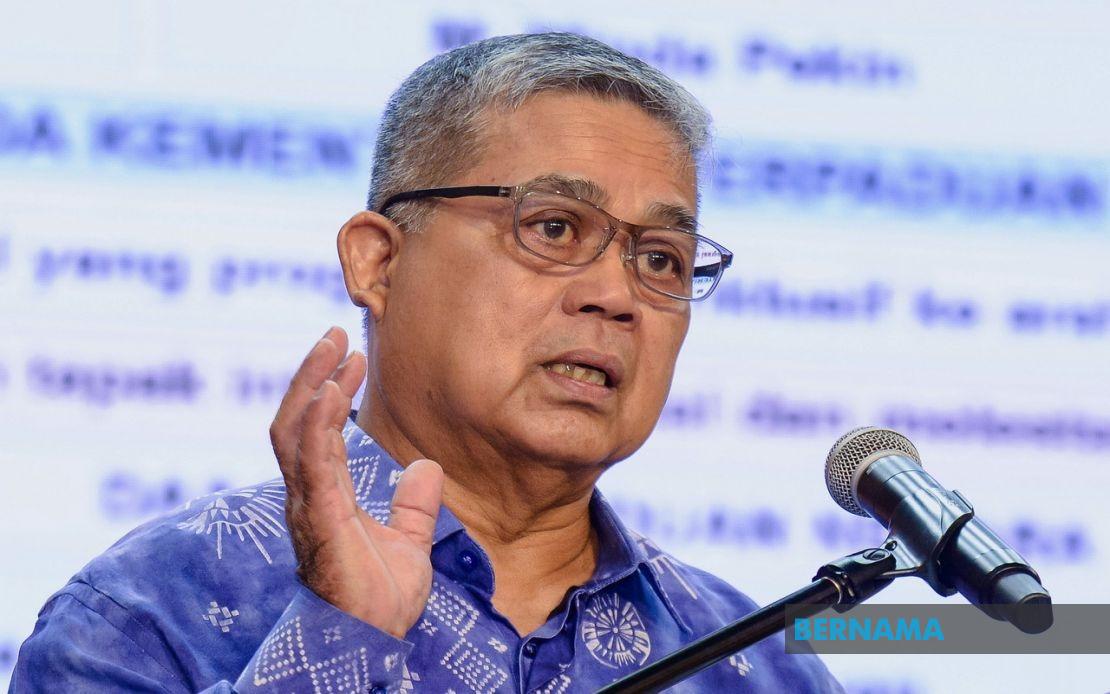
The National Unity Ministry has charted an ambitious pathway to strengthen community conflict management across Malaysia, with a goal of training and certifying 1,280 community mediators within the next seven years. Minister Datuk Aaron Ago Dagang announced the initiative as a cornerstone of the ministry's broader commitment to fostering lasting social harmony through alternative dispute resolution mechanisms that prioritise negotiation and mutual understanding over adversarial court proceedings.
This initiative directly supports the aspirations outlined in the 13th Malaysia Plan, which emphasises building a cohesive nation through effective, inclusive and sustainable approaches to conflict management. The ministry recognises that community disputes, left unresolved through formal litigation channels, can fester and erode social bonds. By positioning mediation services as a primary avenue for settlement, policymakers aim to address grievances at the grassroots level before they escalate into more serious social divisions.
Community mediation operates on principles fundamentally different from the adversarial court system. Rather than determining winners and losers, mediators facilitate dialogue between disputing parties, helping them identify common ground and negotiate mutually acceptable solutions. This approach offers multiple advantages beyond the purely legal: it is considerably faster than court procedures, significantly less expensive for ordinary Malaysians, and crucially, it helps preserve relationships between neighbours and community members who must continue living alongside one another after a dispute concludes. In residential neighbourhoods, workplace disputes, and local commerce, such preservation of goodwill maintains the social fabric that binds communities together.
The financial dimension of this strategy resonates particularly with Malaysian households already facing cost-of-living pressures. Court litigation imposes substantial expenses through legal fees, court costs, and indirect expenses such as lost wages from attending hearings. By providing mediation services entirely free of charge on a pro bono basis, the ministry removes financial barriers that might otherwise prevent lower-income communities from accessing justice. This democratisation of dispute resolution ensures that conflict management services are not exclusively available to those with resources to hire expensive lawyers.
To operationalise this vision, the National Unity Ministry is committing to establish twelve new community mediation centres by 2027, strategically distributed across the nation's states and federal territories. The planned locations include Kota Kinabalu in Sabah, Kuala Lumpur, Pontian in Johor, Terengganu, Shah Alam in Selangor, Kulim in Kedah, Pahang, Kelantan, Labuan, Miri in Sarawak, Perak, and Melaka. This geographic dispersal reflects deliberate planning to ensure no region of Malaysia—whether peninsular states or East Malaysian territories—lacks access to professional mediation services.
The selection of specific venues demonstrates integration with existing community infrastructure. Several centres will operate from Pusat Rukun Tetangga (neighbourhood association centres) and Pusat Aktiviti Perpaduan (community unity activity centres), embedding mediation services within spaces where residents already gather for civic engagement. This integration leverages existing trust and accessibility rather than establishing entirely new, separate institutions that communities might view with unfamiliarity. By situating mediators within trusted community spaces, the ministry increases the likelihood that ordinary Malaysians will readily access these services when disputes arise.
The certification of 1,280 mediators represents a substantial human resource investment. These professionals will require comprehensive training in conflict resolution theory, mediation techniques, cultural sensitivity, and ethical practice standards. The training pipeline must also consider geographic representation, ensuring certified mediators are distributed across the new centres and accessible to rural as well as urban communities. Building this cadre of qualified professionals constitutes the ministry's most resource-intensive commitment but is essential for delivering quality services that communities will trust and utilise.
This initiative arrives at a moment when social tensions in Malaysian society—rooted in economic disparities, intercommunal sensitivities, and disputes over land and resources—require proactive management. The COVID-19 pandemic intensified household tensions and neighbourhood conflicts, many of which remain unresolved. A robust mediation infrastructure offers a constructive outlet for grievances that might otherwise simmer and occasionally erupt into public discord. By providing structured, professional mediation capacity, the ministry positions itself to prevent conflicts from escalating to levels requiring police intervention or judicial involvement.
The alignment with Malaysia MADANI, the government's overarching development framework emphasising inclusivity and shared prosperity, reflects recognition that sustainable economic development requires social stability. Communities racked by unresolved disputes allocate human energy to conflict rather than constructive endeavours. When neighbours distrust one another, community initiatives falter. When workplace disputes fester, productivity declines. By investing in mediation infrastructure, the ministry is essentially investing in the social preconditions necessary for Malaysia's broader development aspirations to materialise.
Strengthening collaboration with local authorities forms another critical pillar of this strategy. Municipal governments, district offices, and state administrations interact daily with residents reporting local grievances. By integrating mediation services into local government structures and ensuring municipal authorities understand referral pathways, the ministry creates seamless handoffs from where disputes first surface to where they can be professionally managed. Local leaders become advocates for mediation, directing residents to appropriate services rather than allowing community conflicts to escalate or fester unaddressed.
The emphasis on voluntary settlement distinguishes this model from impositions that residents might resent. Parties enter mediation by choice and can withdraw at any time; mediators facilitate but do not impose solutions. This voluntary architecture respects individual agency while providing professional structure. Settlements reached through mediation are more likely to be honoured because both parties have crafted them themselves rather than having terms imposed by a distant judge unfamiliar with the community context. This voluntary compliance reduces the likelihood of subsequent disputes over the same underlying conflict.
Regionally, Malaysia's mediation expansion demonstrates forward-thinking governance that other Southeast Asian nations monitoring community cohesion strategies may find instructive. Many regional countries face similar pressures of rapid urbanisation, demographic change, and emerging social frictions. Malaysia's investment in grassroots conflict resolution capacity could serve as a model for neighbouring states seeking alternatives to overburdened court systems and emerging social tensions. As the nation implements this programme, experiences and lessons learned will likely resonate across the region.

