Kuala Lumpur will host a massive public screening of the FIFA World Cup 2026 final at Dataran Merdeka in the early hours of Monday morning, 20 July, as the centrepiece of an ambitious community-building initiative. The live broadcast on a giant screen marks the highlight of the "Unity Merdeka" programme, which commenced on Saturday and concludes on Sunday, bringing together government, security agencies, and the public in a celebration of national diversity and cohesion.
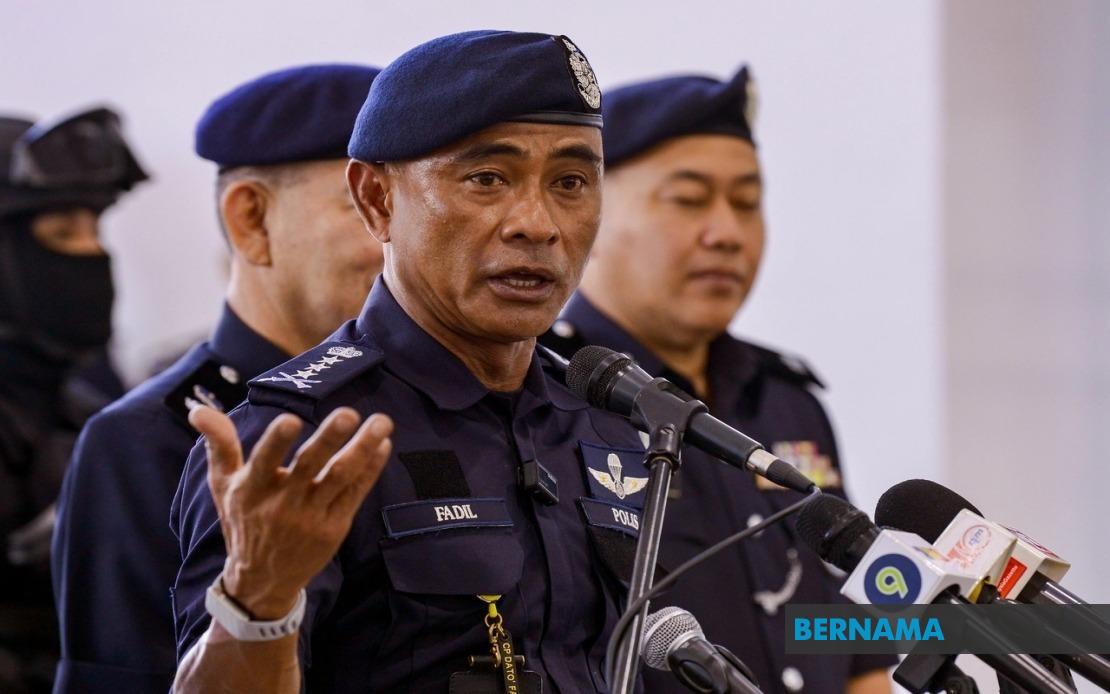
Kuala Lumpur police chief Datuk Fadil Marsus unveiled the ambitious plans for the screening, which organisers hope will draw up to 300,000 spectators to Malaysia's most iconic public space. The collaborative effort reflects a broader strategy by local authorities to leverage popular cultural moments as opportunities for social bonding. Beyond the World Cup finale, the extensive programme runs multiple activities starting at 8 pm on Sunday, creating a full evening of entertainment and engagement for families and individual visitors across the capital.
The underlying mission of Unity Merdeka extends far beyond football enthusiasm. Operating under the theme "Diversity United, Wellbeing Preserved," the programme deliberately positions itself as a vehicle for strengthening communal ties among Malaysia's multi-ethnic communities at a time when social cohesion remains a critical national priority. By anchoring the initiative to a globally significant sporting event, organisers tap into the universal language of sport while embedding messages of unity and shared purpose.
The scale of ambition is notable. Organisers are specifically targeting a Malaysia Book of Records recognition, indicating that the screening represents more than a casual public event—it is being positioned as a historic moment of collective national experience. Such records serve symbolic purposes in fostering pride and demonstrating the capacity of Malaysian society to mobilise around shared values and experiences. The target of 300,000 attendees would represent a significant gathering, testing crowd management and logistical capabilities at what is already one of Kuala Lumpur's most frequented public venues.
The initiative gains weight through its institutional backing. The Kuala Lumpur police have partnered with 16 ministries to execute the programme, indicating substantial coordination across government. This ministerial involvement suggests that the event carries official importance beyond entertainment, functioning as a platform for multiple government agencies to engage directly with citizens. Such integrated approaches to public engagement have become increasingly common in Southeast Asia, where governments view cultural events as opportunities to demonstrate responsiveness and build goodwill.
The programme's breadth reflects this strategic positioning. Beyond the World Cup screening, attendees will encounter exhibitions and interactive booths operated by major security and government agencies, including the Royal Malaysia Police, Malaysian Armed Forces, Fire and Rescue Department, and Ministry of Health. This multi-agency presence transforms Dataran Merdeka into what amounts to a mobile government showcase, allowing citizens to engage with institutions that often remain distant from everyday life. Educational components, religious elements, family activities, and welfare initiatives all feature within the broader calendar.
Earlier events within the programme demonstrated this integration in practice. The Fun Run Unity Merdeka on Saturday drew approximately 2,000 participants in a five-kilometre event designed explicitly to strengthen police-community relations in Kuala Lumpur. The inclusion of the deputy police chief, DCP Datuk Mohd Azani Omar, among participants, alongside 16 members of the Crime Journalists Association, served to humanise police leadership and foster informal relationship-building with media professionals. Such participatory elements create more memorable engagement than passive viewing of government messaging.
For Malaysian readers, the significance of this event partly reflects the role that public gatherings continue to play in a diverse, urbanised society. Dataran Merdeka itself carries profound historical weight as Malaysia's independence ground, making it a symbolically resonant venue for unity-building activities. The decision to screen a World Cup final—an event of genuinely global significance—at this location merges national identity with international sporting culture in ways that transcend the purely political.
The timing of the event also warrants attention. Scheduled for late July, it occurs at a moment when Malaysian football enthusiasm typically peaks ahead of the football season. For a nation where football holds deep cultural significance alongside traditional pastimes, a World Cup final screening represents accessible, mass entertainment that aligns with existing popular interests. This alignment between policy objectives and genuine public enthusiasm increases the likelihood of the gathering achieving its stated targets.
The logistical challenge of managing such a gathering cannot be underestimated. A successful event of this scale requires careful crowd management, security protocols, and contingency planning—areas where Malaysian authorities have developed considerable expertise through managing annual National Day celebrations and religious gatherings at similar scales. The involvement of fire and rescue services within the programme indicates awareness of these safety dimensions.
For Southeast Asia more broadly, the Unity Merdeka initiative reflects a regional trend toward using public events and shared experiences as mechanisms for addressing social fragmentation. As urbanisation and digital communication increasingly fragment communities, governments across the region have experimented with flagship public gatherings aimed at regenerating face-to-face civic engagement. Malaysia's approach—combining security provision, cultural programming, and international sporting spectacle—represents a comprehensive model that other capitals might observe with interest.
Regional context also matters. In a part of the world where religious and ethnic diversity can generate tension, Malaysia has historically positioned itself as a laboratory for managing pluralism. Public events designed to celebrate and operationalise unity carry genuine weight as contributions to this ongoing national project. The inclusion of religious elements and family activities alongside security and health services signals an intention to create inclusive spaces where citizens of all backgrounds can participate comfortably.
Looking forward, the success or failure of Unity Merdeka will likely influence future government strategies for public engagement in Malaysia. If the event succeeds in drawing massive crowds while maintaining positive sentiment and safety, expect similar initiatives to multiply. Conversely, any logistical difficulties or negative incidents could prompt recalibration of this approach. For residents of Kuala Lumpur and visitors to the capital during this period, the Unity Merdeka programme represents an opportunity to participate in a distinctly Malaysian interpretation of how public space, national identity, and global culture can intersect.

