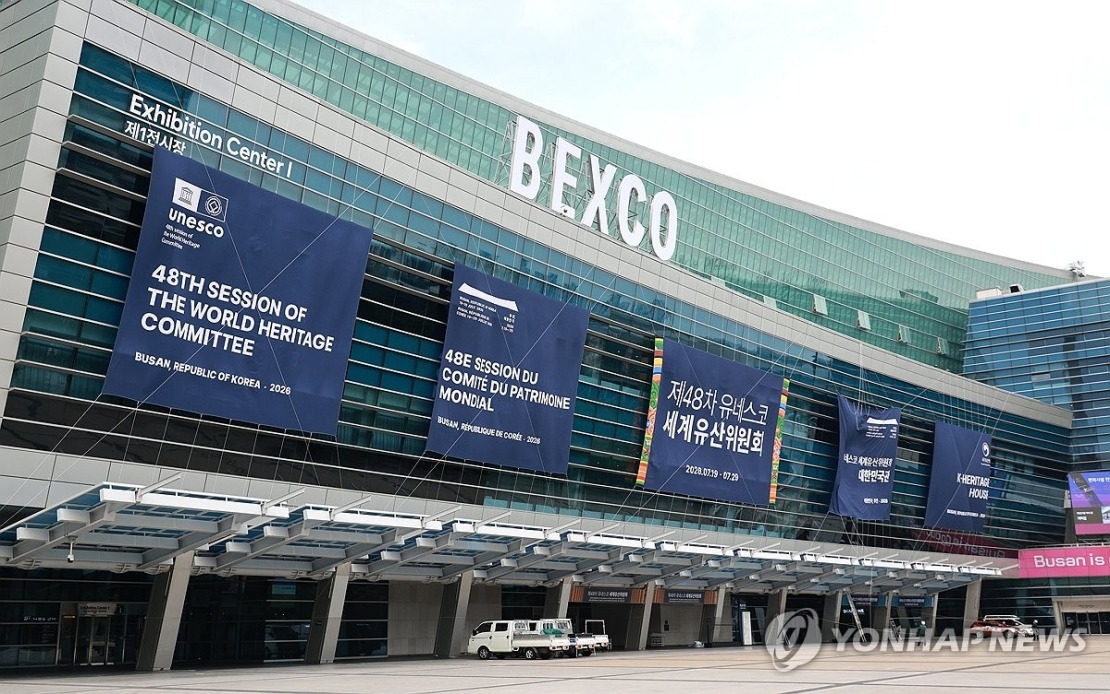
The port city of Busan will host one of the UNESCO system's most significant annual gatherings this week, as representatives from nearly 200 nations converge to deliberate on matters affecting some of the world's most treasured cultural and natural sites. Beginning on Sunday, the UNESCO World Heritage Committee is opening its 10-day session at the Busan Exhibition and Convention Centre, located approximately 330 kilometres south-east of the capital Seoul. This inaugural hosting represents a milestone for South Korea, which formally joined the UNESCO World Heritage Convention more than three decades ago in 1988.
The scale of the gathering underscores the global importance attached to heritage preservation. Approximately 3,000 participants are expected, drawing from the 196 member states of UNESCO, plus representatives from international organisations and non-governmental bodies with interests in cultural conservation. For many Southeast Asian nations, including Malaysia, such sessions provide crucial platforms to advocate for regional heritage sites, share conservation experiences, and influence international policy directions that ultimately affect how older sites are managed and newer nominations are evaluated. The breadth of participation ensures that diverse perspectives on heritage—from indigenous communities to academic institutions—inform committee deliberations.
Leading the proceedings will be UNESCO's highest-ranking officials. UNESCO Director-General Khaled El-Enany is scheduled to attend, alongside Nayef Al-Fayez, the Assistant Director-General for Culture, and Lazare Eloundou Assomo, who directs the World Heritage Centre. Their presence signals the political and institutional weight assigned to these discussions, reflecting how heritage conservation intersects with broader cultural diplomacy and development agendas at the international level.
The World Heritage Committee functions as UNESCO's principal decision-making organ on matters concerning the cultural and natural heritage listed under the Convention. Each annual meeting follows a structured agenda addressing three interconnected functions. The committee reviews incoming nominations from member states seeking to add new sites to the prestigious World Heritage List—a process that can take years and involves rigorous technical and political evaluation. Simultaneously, it assesses the current conservation status of already-inscribed properties, examining whether sites face threats from development, climate change, conflict, or neglect, and determining whether corrective action or international support is warranted.
Beyond individual site decisions, the committee also shapes overarching policy on heritage protection. These broader discussions examine how the Convention itself should evolve in response to emerging challenges: how to better integrate indigenous peoples in heritage management; how to address climate risks to coastal and island sites; how to balance development aspirations with preservation imperatives in rapidly urbanising regions; and how to make the World Heritage system more representative of global diversity, particularly of African, Asian, and Pacific heritage. For Malaysian stakeholders—whether government officials, conservation professionals, or civil society actors—these policy debates have tangible implications for how domestic heritage is prioritised and how international support mechanisms function.
South Korea's role as host carries symbolic weight. The nation's decision to join the Convention in 1988 reflected a broader shift toward international engagement on cultural matters during a period of rapid economic development. Over the subsequent years, South Korea has successfully inscribed multiple properties, from the Hwaseong Fortress to the Korean Buddhist Temple Complexes, and has invested substantially in heritage tourism and preservation infrastructure. By hosting the committee for the first time, South Korea signals its maturity as a heritage steward and reinforces its commitment to conservation principles on the world stage.
The timing of this session also arrives amid evolving global conversations about heritage in transition. Climate change poses unprecedented threats to sites in vulnerable regions, including small island developing states and coastal areas of Southeast Asia. Geopolitical tensions have threatened heritage in conflict zones. Economic pressures in developing nations create incentives to exploit heritage resources for short-term gain rather than preserve them for long-term benefit. The committee's deliberations will inevitably grapple with how the Convention can remain relevant and effective in this complex landscape.
For Malaysia specifically, the gathering offers strategic opportunities. The country currently holds four World Heritage sites—the Petronas Twin Towers are not World Heritage listed, but properties such as Georgetown and Melaka, the Kinabalu Park, and the Gunung Mulu National Park are—yet significant archaeological and cultural properties remain unlisted. Malaysian delegates can use the session to learn from international best practices in conservation and nomination strategies, network with officials from other Southeast Asian nations facing similar preservation challenges, and understand how evolving international standards might affect domestic heritage management policies.
The 10-day duration allows time for substantive engagement beyond formal votes. Committee members will hear detailed presentations on nominated sites, examine technical assessments prepared by international advisory bodies, and participate in working groups addressing specific policy themes. The intensity of these discussions reflects the consensus-based nature of heritage governance: while formal decisions ultimately rest with the committee, legitimacy depends on broad-based deliberation and incorporation of diverse viewpoints.
As the meeting unfolds, observers will watch whether consensus emerges on contentious issues—such as how aggressively to list properties in peril or how to balance expansion of the World Heritage List with deepening engagement on existing sites. The outcomes will ripple across the global heritage community, influencing how nations approach conservation investments, how international organisations allocate technical support, and how emerging generations understand the value of preserving sites they did not create.

