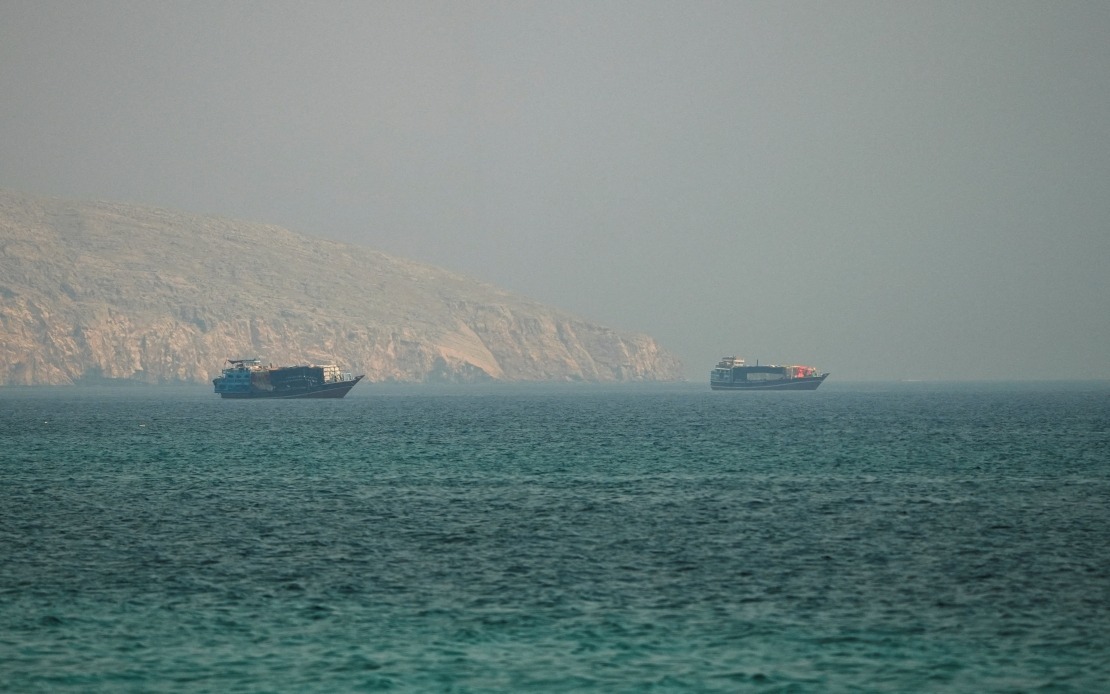
The United Nations' top official has issued an urgent appeal for restraint amid a dangerous cycle of military escalations involving multiple actors across the Persian Gulf, expressing profound alarm at the trajectory of recent events that threaten to destabilise one of the world's most strategically significant maritime zones. Speaking through his spokesperson Stephane Dujarric on Sunday in Istanbul, Secretary-General Antonio Guterres conveyed his "deep concern" about the pattern of tit-for-tat hostilities that have punctuated recent weeks, including Iranian assaults on commercial shipping transiting the Strait of Hormuz, American military strikes targeting Iranian positions, and retaliatory Iranian operations affecting neighbouring territories.
The escalating confrontation represents a critical juncture that demands immediate international attention, particularly given the interconnected nature of regional security threats and their potential ripple effects on global commerce and stability. The Strait of Hormuz, through which roughly one-third of the world's seaborne traded oil passes daily, has become increasingly volatile as attacks on merchant vessels have rattled energy markets and heightened concerns among maritime insurers and shipping companies operating in the region. This disruption carries direct implications for Southeast Asian economies, including Malaysia, which depend heavily on stable energy supplies and predictable shipping corridors for their trade and industrial operations.
Guterres emphasised that all parties to the conflict must exercise maximum restraint and take immediate concrete steps to defuse the mounting tensions that threaten to spiral beyond the current level of hostilities. His call reflects growing apprehension within the international community that localised military actions could trigger broader conflict that would be extraordinarily difficult to contain once unleashed. The UN chief specifically warned that a return to full-scale military hostilities would produce "catastrophic consequences" affecting not only the affected populations in the Middle East but also destabilising international peace and security architecture and inflicting severe damage on the global economic system.
Central to the UN's position is the assertion that maintaining unimpeded freedom of navigation through the Strait of Hormuz remains a fundamental international requirement, both for regional prosperity and for global energy security. The strategic waterway's vulnerability to disruption has significant implications for petroleum-dependent economies across Asia, where energy prices have already absorbed the shocks from recent incidents and where any further deterioration could trigger inflationary pressures. Malaysia's role as a maritime trading nation means that threats to shipping freedom directly affect its commercial interests and economic performance.
Guterres has placed particular emphasis on the imperative for Tehran and Washington to abandon their current confrontational trajectory and reengage in substantive diplomatic negotiations with genuine commitment to resolving the underlying disputes. The deterioration of direct US-Iran relations following Washington's withdrawal from the Joint Comprehensive Plan of Action in 2018 has left few formal channels for communication and crisis management, creating dangerous gaps where misunderstandings or unintended escalations could rapidly spiral beyond control. The UN chief's insistence on resuming talks reflects the conviction that military approaches have demonstrably failed to achieve any side's strategic objectives and that only negotiated settlements can provide durable solutions.
The warning about catastrophic economic consequences carries weight in the context of already fragile global growth prospects and rising uncertainty about international oil supplies. Beyond the immediate impact on energy prices, a major conflict in the Gulf would disrupt shipping insurance markets, delay critical supplies needed for global manufacturing, and potentially trigger broader geopolitical realignments that could undermine international cooperation on numerous fronts. For developing economies in Southeast Asia, such disruptions would be particularly damaging given their relative vulnerability to external economic shocks and their dependence on stable international trade flows.
The UN's intervention underscores the reality that regional conflicts increasingly require multilateral engagement and that no single actor can impose a solution through military means alone. The complexity of the current standoff, involving not only state actors but also proxy forces and non-state organisations with varying agendas, means that de-escalation requires coordination across multiple channels and careful calibration of responses to avoid accidental escalation. Guterres's appeal represents an attempt to inject rational strategic thinking into a situation that has become increasingly driven by action-reaction cycles and mutual threat perceptions.
The call for urgent diplomatic engagement comes as tensions remain elevated despite tentative signals from some regional actors about their willingness to engage in dialogue. The path back to negotiations faces significant obstacles, including mutual mistrust accumulated over decades, domestic political pressures on both sides that discourage compromises, and the involvement of regional powers with their own strategic interests in perpetuating instability. However, the consistent messaging from international institutions and major powers suggests growing recognition that the current trajectory is unsustainable and that preventing full-scale conflict must take priority over achieving maximum tactical advantage.
For Malaysian policymakers and businesses, the situation demands careful monitoring and contingency planning to mitigate potential disruptions to energy supplies and maritime commerce. Regional organisations like ASEAN have interests in promoting stability in adjacent waters and ensuring that conflicts do not spill over into Southeast Asian shipping lanes or affect the international legal frameworks that govern maritime conduct. The UN's emphasis on sustained diplomatic efforts reflects the understanding that only through patient, sustained negotiation can the parties bridge their differences and establish the conditions for long-term regional stability.

