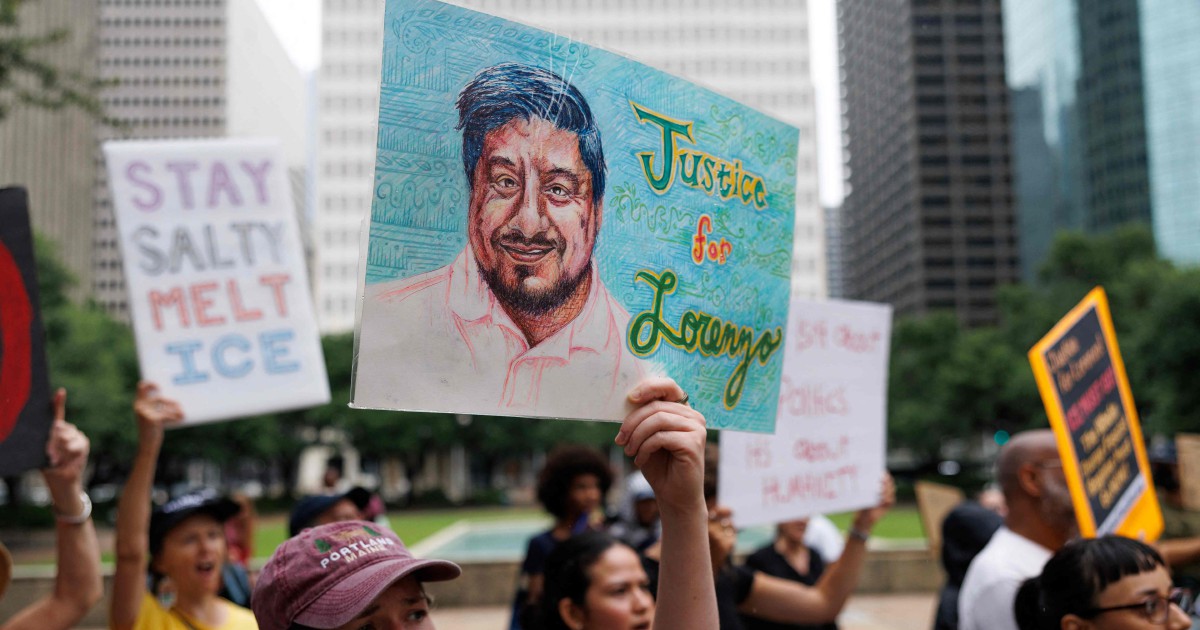
United Nations human rights experts have demanded independent investigations into allegations of unwarranted interference with demonstrations that sought to spotlight Mexico's ongoing crisis of enforced disappearances during the football World Cup. The call, made by a collective of UN specialists focused on human rights protection, underscores mounting international concern about the treatment of activists attempting to raise awareness of a humanitarian emergency that has claimed tens of thousands of lives across Mexico over recent decades.
The timing of such interference allegations is particularly significant given that the World Cup represents one of the highest-profile global platforms through which grieving families and civil society groups had hoped to communicate their message to an international audience. Mexico's disappearance crisis has become one of the darkest chapters in the country's recent history, with estimates suggesting that over 100,000 people have vanished under circumstances involving state actors, organised crime, or some combination thereof. The World Cup presented a rare opportunity for families of the disappeared to draw global media attention to their plight, making any obstruction of such efforts deeply troubling from a freedom of expression standpoint.
The UN experts' statement reflects broader patterns of concern documented by international human rights organisations regarding Mexico's handling of activism related to disappearances. Over many years, these groups have reported instances where families searching for their loved ones have faced intimidation, surveillance, and restrictions on public assembly. The football World Cup, as a global event drawing unprecedented international scrutiny and media presence, represented both an opportunity and a flashpoint where such tensions could become particularly visible.
Mexico's disappearance crisis traces its roots to the intensification of the country's drug war, which began in earnest in the late 2000s. As violence escalated between rival drug trafficking organisations and between cartels and government forces, the number of missing persons climbed dramatically. Yet the crisis extends beyond cartel-related abductions—human rights groups have documented numerous cases where government security forces themselves were implicated in disappearances, a phenomenon known as enforced disappearances. This dual responsibility for missing persons has created a complex accountability challenge that Mexico's judicial system has struggled to address.
The families of the disappeared have emerged as one of Mexico's most resilient civil society movements, despite operating under extremely difficult circumstances. Groups like mothers searching for their children have become the public face of demands for accountability and justice. Their activism has sometimes made them targets for further violence and harassment, creating a chilling effect on protest and public advocacy. International human rights bodies have repeatedly warned about this pattern, and the UN experts' current statement represents the latest in a series of appeals for Mexico to respect the rights of activists and families.
The World Cup incident that prompted the UN investigation call exemplifies a recurring tension in Mexico: the desire to project an image of stability and normality on the international stage versus the persistence of a genuine humanitarian crisis that refuses to be silenced. While some government officials view activism during major international events as damaging to Mexico's reputation, families of the disappeared argue that their situation has been ignored for too long and that international attention is essential for achieving progress toward accountability.
From a broader Southeast Asian perspective, Mexico's struggles offer cautionary lessons about how enforced disappearances can become embedded in a country's security apparatus and how difficult they are to address after the fact. Several nations in this region have faced their own allegations of disappeared persons and extrajudicial violence, making Mexico's experience and the international response to it particularly relevant to regional policymakers and human rights advocates. The question of how governments balance security concerns with human rights protections remains deeply contested throughout Southeast Asia.
The UN experts' call for investigations carries moral and political weight but limited enforcement mechanisms. The responsibility for conducting genuine, impartial inquiries falls squarely on the Mexican government, which has made commitments in this direction but has faced criticism from observers who believe the pace and scope of investigations remain inadequate. Previous international investigations and fact-finding missions have documented patterns of violence and impunity in Mexico, yet translating these findings into substantial changes in practice has proven challenging.
For Malaysian observers and policymakers, the UN statement serves as a reminder of the importance of creating domestic space for civil society activism and protest, particularly around sensitive issues like disappearances and security force conduct. While each country's context differs significantly, the principle that families seeking information about missing relatives require protection rather than obstruction is one with universal application. The experience of Mexican activists suggests that international scrutiny and documentation by UN bodies, though limited in direct enforcement power, can contribute to maintaining pressure on governments to respect fundamental freedoms.
Moving forward, the focus on the World Cup interference allegations may help catalyse broader efforts to address Mexico's disappearance crisis at the judicial and policy levels. The UN experts' intervention signals that international attention remains fixed on Mexico's human rights record, and that activism during major global events is considered a legitimate and protected form of expression. For families of the disappeared in Mexico and beyond, such international backing provides a measure of protection and validation for their cause, even as the long struggle for concrete accountability continues.

