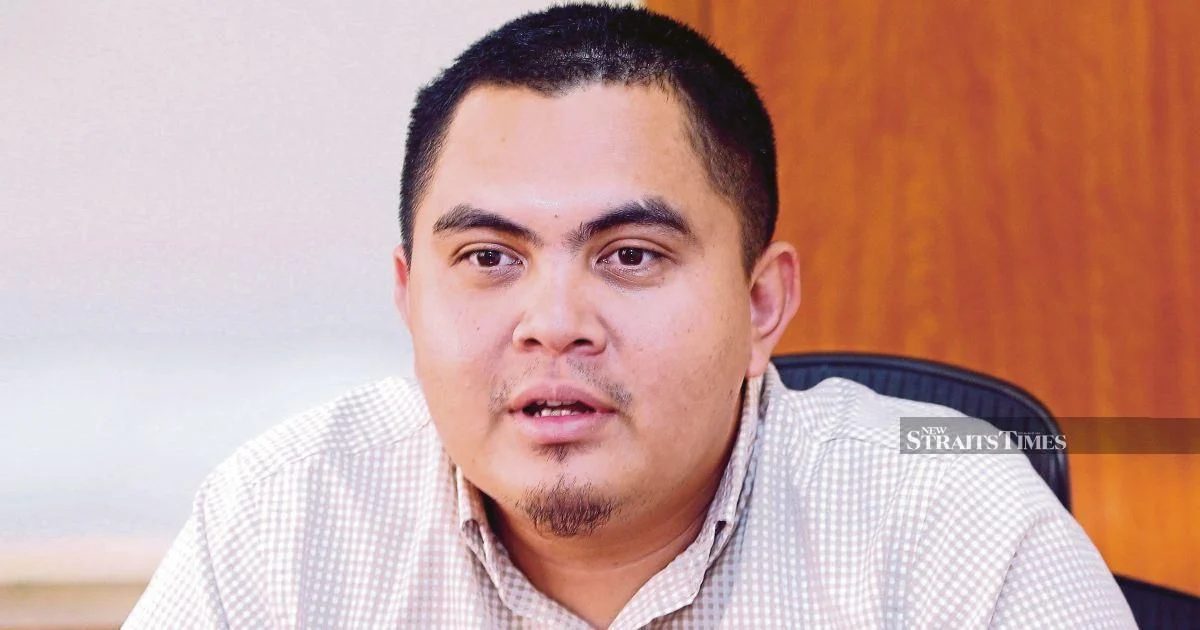
Umno Youth chief Datuk Dr Muhamad Akmal Saleh has moved to counter perceptions that the party operates according to familial patronage networks, insisting instead that the organisation maintains rigorous, principled standards when determining who stands in electoral contests.
The remarks, delivered in Johor Baru, represent a direct response to mounting criticisms that Umno has tilted toward promoting relatives of prominent party figures into winnable parliamentary and state assembly seats. Such allegations have dogged Malaysia's largest Malay-Muslim party for years, reflecting broader concerns about dynastic influence within the broader political ecosystem. The tensions underscore ongoing fractures within Umno's own ranks regarding internal democracy and fairness in candidate distribution.
Akmal's intervention signals the youth wing's determination to reframe the party's reputation on meritocratic grounds. The assertion carries strategic weight within Umno's internal debate, as younger, aspiring politicians increasingly compete for nominations and face systemic disadvantages when competing against politically connected families. Youth movements across Malaysian political parties have historically functioned as crucibles for reform-minded voices, and Umno's youth leadership appears intent on using this platform to push back against perceptions of institutional decay.
The family politics charge carries particular sting in Malaysian politics because it speaks to fundamental questions about democratic legitimacy and institutional health. When voters perceive that nomination processes favour bloodline over capability, trust in the entire democratic apparatus erodes. For Umno specifically, which has governed Malaysia through most of its independent history, such erosion threatens electoral performance and organisational cohesion. The party's brand depends significantly on presenting itself as a meritocratic champion of Malay-Muslim interests rather than a vehicle for dynastic privilege.
Historically, Umno has witnessed repeated cycles of intra-party conflict over candidate selection, with regional divisions often reflecting deeper struggles between established hierarchies and reformist challengers. The current iteration of these tensions appears particularly acute given broader Malaysian political fragmentation. With Umno competing not only against Pakatan Rakyat alternatives but also against Perikatan Nasional rivals claiming to represent Malay-Muslim interests more authentically, the party cannot afford vulnerabilities on organisational democracy and fairness grounds.
Akmal's comments also reflect broader demographic realities. Umno's membership skews heavily toward the middle-aged and elderly, while the party's electoral future depends on mobilising younger voters increasingly sceptical of traditional patronage networks. Youth leaders like Akmal recognise that messaging around merit and opportunity resonates powerfully with this demographic. By explicitly rejecting family politics narratives, the youth wing positions itself as guardian of Umno's future relevance and modernisation.
The role of Puad in prompting these clarifications remains significant. As an established party figure, Puad's position in the party hierarchy and his apparent willingness to voice or channel criticisms about family-based preferentialism suggests these concerns circulate broadly within Umno circles. The public nature of Akmal's rebuttal indicates party leadership views this perception as sufficiently damaging to warrant direct denial at senior levels.
Moving forward, Umno's credibility on this issue will depend on concrete actions rather than rhetorical assertions. Transparent nomination processes, equal access to party platforms for aspirants regardless of family background, and equitable distribution of candidates across constituencies remain the practical measures through which parties demonstrate commitment to meritocratic principles. The extent to which Umno implements such measures will substantially influence both internal morale and external perceptions among Malaysian voters.
The broader Southeast Asian context matters here. Political parties across the region struggle with similar charges of dynastic capture and nepotistic candidate selection. Thailand, the Philippines, and Indonesia have all witnessed sustained public criticism of family-dominated politics. Malaysia's experience reflects these regional patterns while developing its own particular institutional characteristics. Umno's capacity to project itself as distinct from purely dynastic models may offer comparative advantages in a region increasingly frustrated with hereditary political arrangements.
For Malaysian observers, these tensions within Umno merit close attention because they reflect struggles that extend across the entire political establishment. Accusations of family favouritism have touched multiple parties and levels of government. The question of whether Malaysian political institutions can evolve toward transparent, capacity-based selection systems remains unresolved. Umno's efforts to address these perceptions, whether through formal reform or public messaging, form part of a broader national conversation about democratic maturation and institutional integrity that will shape Malaysian politics for years ahead.

