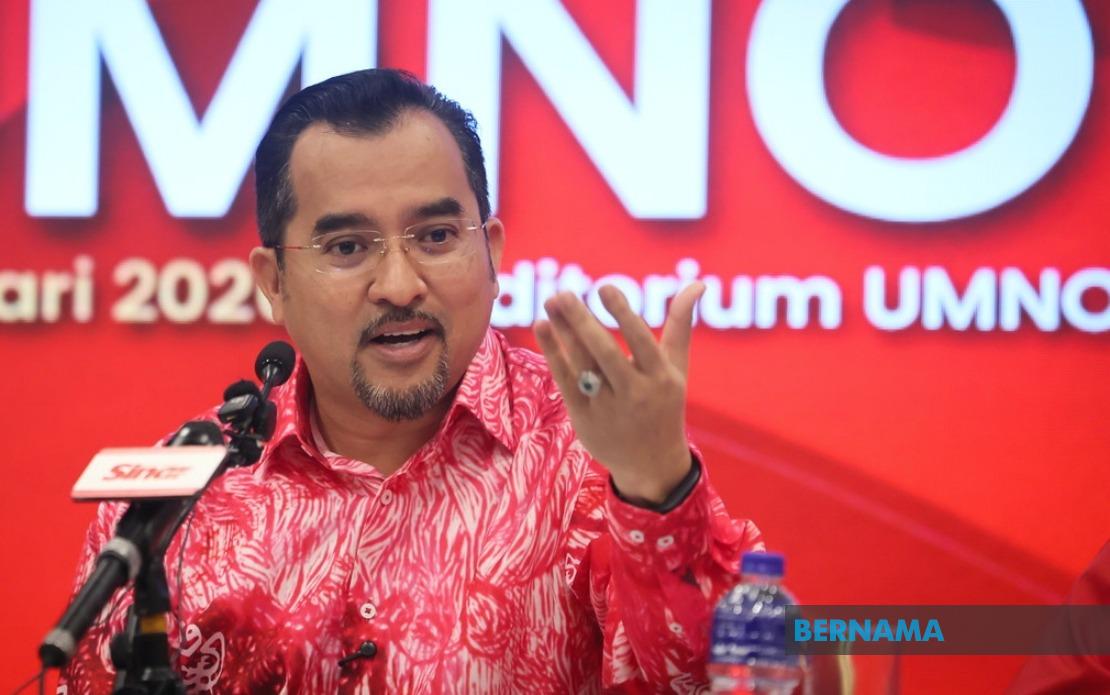
Datuk Dr Mohd Puad Zarkashi's abrupt exit from UMNO stems from anger over the party's refusal to field his son as the candidate for the Rengit state seat, according to UMNO secretary-general Datuk Dr Asyraf Wajdi Dusuki. The revelation sheds light on internal party tensions ahead of the Johor state election, scheduled for July 11, just weeks after the dissolution of the state legislature on June 1. Asyraf Wajdi's public response on social media escalates what appeared to be a quiet resignation into a dispute over party selection processes and the principles governing leadership succession in Malaysia's largest political organisation.
Mohd Puad, who holds a seat on UMNO's Supreme Council, announced his immediate withdrawal from the party on Facebook, citing a desire for greater personal freedom in expressing his views. The timing coincides with one of UMNO's most critical electoral moments in Johor, a state traditionally viewed as the party's heartland. His departure reduces UMNO's bench strength at the highest decision-making level and raises questions about the stability of the party leadership, particularly as it prepares for vigorous campaigning in the coming weeks.
According to Asyraf Wajdi's account, Mohd Puad had previously sent extensive written communications warning that he would publicly criticise UMNO and leave the party unless the leadership agreed to nominate his son for the Rengit contest. This pattern of demands followed by threats represents a challenge to party discipline and centralised candidate selection procedures, which the UMNO hierarchy appears determined to defend. The secretary-general's intervention suggests the party leadership views this as a matter of principle rather than a minor personnel dispute, necessitating a clear public statement about how UMNO conducts its internal affairs.
Asyraf Wajdi acknowledged that Mohd Puad's son possesses youth and considerable leadership potential worthy of future cultivation. However, he emphasised that candidate selection involves multiple considerations beyond individual aptitude or family connections. This position reflects UMNO's official stance that merit, constituency viability, electoral history, and party strategy all factor into nomination decisions. The refusal to simply accommodate a senior figure's personal preference signals that the party, at least rhetorically, maintains standards independent of pressure from individual members regardless of rank.
The dispute echoes a similar confrontation during Datuk Seri Najib Tun Razak's tenure as party president, when Mohd Puad threatened to resign if he was not renominated as Member of Parliament for Batu Pahat. Asyraf Wajdi's invocation of this precedent suggests a pattern of behaviour and indicates that Mohd Puad's grievances may reflect longer-standing frustrations rather than a sudden disagreement. The comparison also underscores how party leadership has handled such situations previously, implying consistency in applying selection principles despite external pressure.
Asyraf Wajdi firmly rejected Mohd Puad's allegations that the Johor palace controlled UMNO's Johor branch and had orchestrated the dissolution of the State Legislative Assembly. Characterising these claims as slander, the secretary-general defended the party's autonomy and decision-making processes. Such allegations, if allowed to circulate unchallenged, could undermine confidence in UMNO's institutional independence and fuel perceptions that the party operates as an extension of royal authority rather than as an autonomous political organisation. The forceful denial reflects the sensitivity surrounding any suggestion that UMNO lacks genuine decision-making power.
Central to Asyraf Wajdi's defence is the assertion that UMNO is not a hereditary political party that prioritises family members or relatives in leadership selection. This statement carries significance in Malaysian politics, where dynastic succession and family influence operate visibly in multiple parties and institutions. By explicitly rejecting this model, UMNO's leadership attempts to position the party as merit-based and institutionally sound, distinct from organisations perceived as family fiefdoms. However, critics might note that such declarations are frequently tested by actual practice.
Asyraf Wajdi argued that UMNO's contribution to Malaysian political life—providing platforms, opportunities, and positions for numerous leaders to build their reputations—creates obligations to the collective good that supersede personal interests. This framing emphasises the party as larger than any individual member, however senior. It implies that accepting Mohd Puad's demands would compromise UMNO's integrity and set a precedent encouraging other senior figures to make similar threats. The rhetoric appeals to party unity and shared purpose as justifications for maintaining candidate selection autonomy.
The secretary-general stressed that UMNO must remain steadfast as a party championing race, religion, and nation—invoking the party's foundational ideology and nationalist mission. By connecting the Mohd Puad dispute to these broader principles, Asyraf Wajdi suggests that capitulating to individual pressure would betray UMNO's core values and political mission. This rhetorical move elevates what might otherwise appear as a bureaucratic candidate selection disagreement into a question of party principle and national purpose.
The conflict emerges during a compressed election cycle in Johor, with nomination day set for June 27 and polling scheduled for July 11. This timeline limits time for resolving internal disputes or conducting extensive reorganisation. UMNO's need to present unified candidacy and messaging for the election adds urgency to managing the Mohd Puad situation. Any perception of internal divisions or compromised decision-making processes could weaken the party's electoral performance, particularly if other members view Mohd Puad's resignation as evidence that party selection lacks credibility or fairness.
For Malaysian voters and regional observers, this episode reveals the often-invisible tensions within UMNO's leadership. The dispute illustrates how factional interests, personal ambitions, and institutional principles collide within political parties, and how such collisions are managed or resolved. It also highlights the ongoing challenge facing UMNO in balancing elite accommodation with organisational integrity as the party navigates its role in Malaysian politics following years of upheaval and electoral losses that shifted the political landscape significantly.
The broader context involves UMNO's recovery efforts after its 2018 electoral defeat and subsequent period in opposition. The party's efforts to rebuild credibility and electoral competitiveness depend partly on demonstrating principled, fair governance. Mohd Puad's departure, while potentially damaging in terms of losing a senior figure, may paradoxically strengthen UMNO's position if handled as an affirmation of institutional rules. Conversely, if party members perceive the selection process as arbitrary or influenced by hidden factors, confidence could erode further, complicating UMNO's electoral prospects and long-term viability as the nation's largest political organisation.

