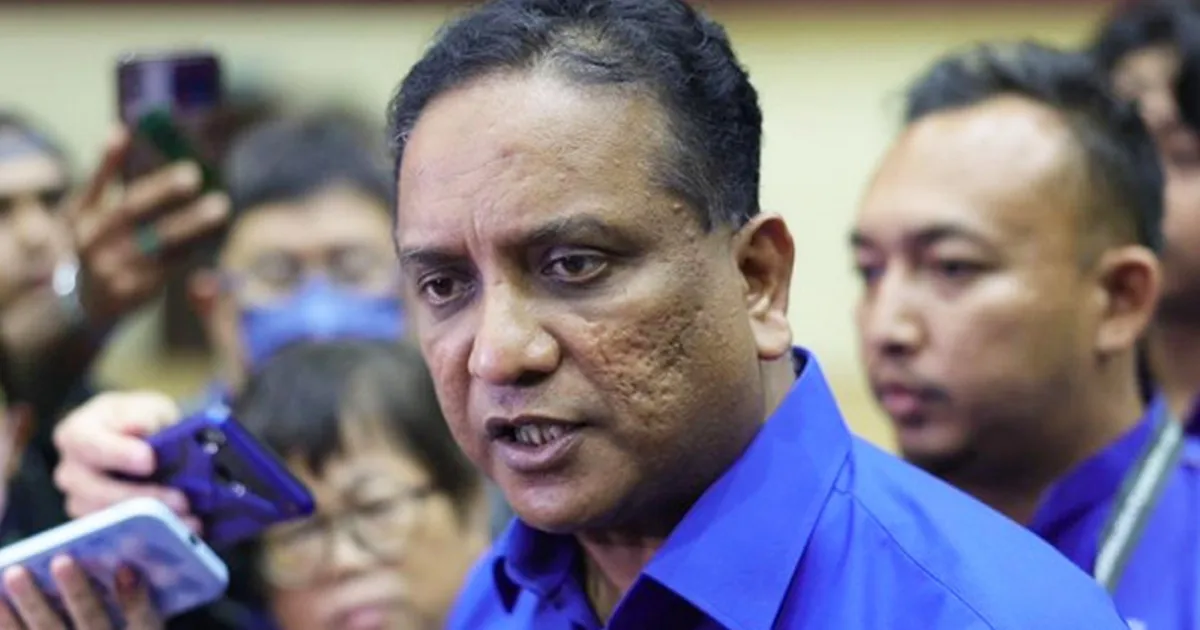
Umno's leadership has moved to distance itself and the broader Barisan Nasional coalition from responsibility for the deepening financial troubles at Tabung Haji, with a senior party official insisting that findings from a Royal Commission of Inquiry should not serve as ammunition for claims of systemic corruption or misconduct within the ranks. The defensive posture signals growing concern among party strategists that the pilgrimage fund's problems could become a flashpoint in Malaysia's intensely competitive political landscape.
The Tabung Haji crisis represents one of the most significant institutional failures affecting Malaysian Muslims in recent years. The fund, which manages savings and investments for hundreds of thousands of Malaysians preparing for the hajj pilgrimage, has faced mounting difficulties that have left depositors increasingly anxious about the security of their life savings. The scope of the problems extends beyond simple mismanagement, touching on questions about oversight, accountability, and governance structures that have drawn scrutiny from multiple quarters.
Reezal's intervention reflects a broader Umno strategy to compartmentalise the scandal, treating it as an administrative or technical matter rather than one reflecting systemic failures within the party's governance philosophy or culture. By emphasising that the RCI findings represent factual investigations into specific incidents rather than blanket indictments of institutional integrity, Umno appears to be attempting to limit political contagion. The distinction the party is drawing may resonate with core supporters but faces scepticism from those who view Tabung Haji's trajectory as emblematic of governance deficiencies that extended throughout BN's long period in power.
The timing of this statement matters considerably. Malaysia's political environment remains volatile, with opposition parties quick to exploit any sign of institutional dysfunction linked to the previous administration. For Umno, which has worked to rebuild its standing since the 2018 electoral defeat and the subsequent internal upheaval, allowing Tabung Haji difficulties to be framed as party-level corruption could prove particularly damaging. The party's social contract with its base, especially among rural Muslim voters who form the backbone of Umno support, depends significantly on perceptions that the party defends Muslim and Malay interests through institutional stewardship.
The Royal Commission of Inquiry itself has presumably documented specific individuals, decisions, and systemic breakdowns. Reezal's position that these findings should not be generalised into accusations against Umno or BN as collective entities reflects a familiar political argument: that individuals may act against institutional interests, and that organisations cannot fairly be held responsible for every transgression by members. This argument possesses force in certain contexts, yet becomes more difficult to sustain when problematic patterns extend across multiple administrations or when leadership structures appeared to tolerate questionable practices.
For ordinary Malaysians with funds tied up in Tabung Haji, the party political dimensions of the scandal carry less weight than the concrete question of whether their investments remain secure and whether they will recover their savings. The focus on attribution and blame among political actors can appear disconnected from the lived experience of pensioners, young professionals, and families whose hajj savings represent years of disciplined financial commitment. This gap between political narratives and ground-level concerns creates space for public frustration to accumulate regardless of which party currently holds power.
The Barisan Nasional coalition's involvement in the governance of Tabung Haji during its period of electoral dominance means that responsibility questions inevitably touch on the broader political structure. However, Umno's argument that the RCI report should not be misused for partisan attacks carries some legitimacy, particularly if opposition parties attempt to weaponise specific findings beyond what evidence actually demonstrates. Distinguishing between legitimate accountability and politically motivated blame-mongering remains a persistent challenge in Malaysian public discourse, where genuine governance concerns and electoral calculations frequently become intertwined.
Looking ahead, Tabung Haji's recovery will require not only addressing the immediate financial and structural problems but also rebuilding depositor confidence. How political parties choose to frame and respond to the RCI findings will influence whether the crisis becomes an opportunity for genuine institutional reform or devolves into a blame-shifting exercise that leaves underlying problems unresolved. For Umno, managing this balance between defending organisational interests and supporting meaningful accountability measures will shape perceptions of the party's commitment to Muslim institutional welfare.
The broader implications extend beyond party politics to questions about how Malaysia's major institutions have been managed and supervised across administrations. Tabung Haji's difficulties suggest that regardless of which coalition or individual parties bear direct responsibility, systemic vulnerabilities in oversight and governance structures require attention that transcends electoral cycles. The challenge for policymakers will be crafting reforms that address root causes rather than treating the crisis as an isolated aberration demanding only targeted corrections.

