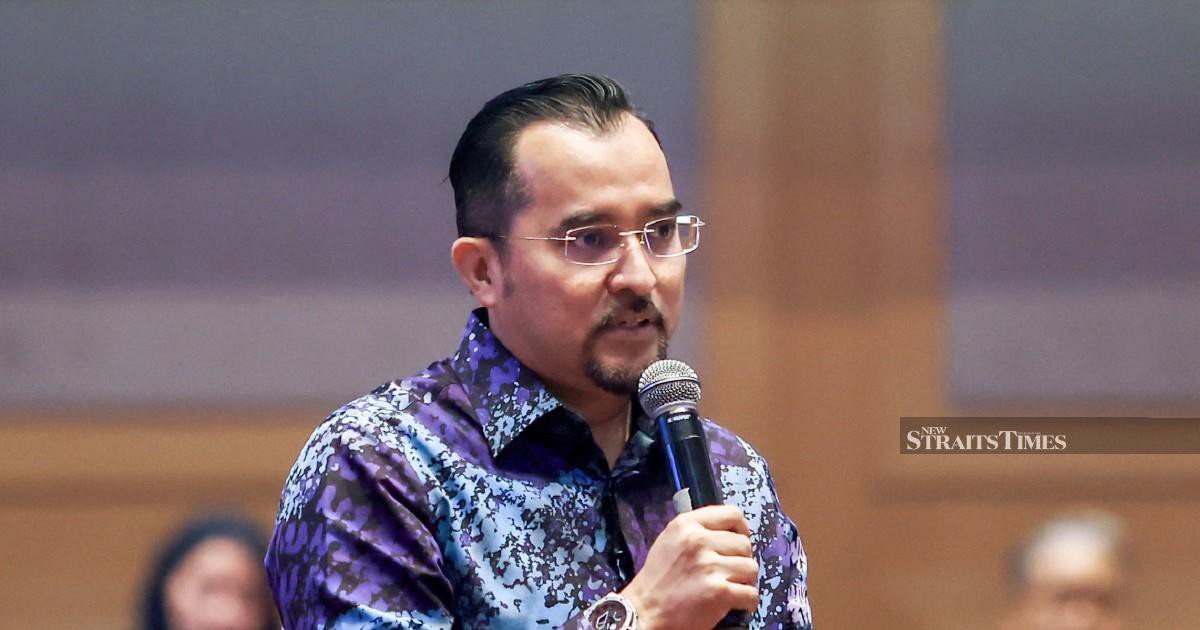
Umno's secretary-general Datuk Dr Asyraf Wajdi Dusuki has strenuously denied that the party engaged in a theatrical performance designed to deflect accountability from those involved in the Lembaga Tabung Haji financial crisis, responding to intensifying scrutiny over how the party has handled the matter.
The rebuttal comes amid widespread concerns that Malaysia's ruling coalition may have prioritised political expediency over comprehensive accountability in addressing the troubled pilgrimage fund's collapse. The Lembaga Tabung Haji scandal represents one of the most significant financial crises affecting Malaysia's Islamic institutions, with potential ramifications extending across the broader governance landscape as stakeholders demand transparency regarding how senior figures were implicated.
The TH crisis has captured sustained public attention since details emerged of substantial financial losses and alleged mismanagement spanning multiple years. The fund, which manages savings for nearly three million Malaysian Muslims intending to perform the hajj pilgrimage, faced severe operational difficulties that exposed governance shortcomings at multiple institutional levels. For many ordinary Malaysians, particularly lower and middle-income pilgrims, the scandal represented a direct threat to their accumulated savings and religious aspirations.
Umno's position becomes particularly significant given the party's dominant role within Malaysia's political machinery and its historical connections to institutional oversight mechanisms. Critics have suggested that party affiliations may have influenced investigative processes or the pace at which accountability measures were pursued. The allegation that Umno orchestrated a "charade" specifically targets perceptions that the party engaged in performative gestures while underlying problems remained unresolved or individuals escaped meaningful consequences.
Dr Asyraf Wajdi's denial indicates the party recognizes the seriousness of public perception regarding its role in this episode. The secretary-general's intervention represents a calculated response to mounting pressure from various quarters, including civil society organisations, opposition politicians, and increasingly vocal segments within Umno itself questioning whether the party adequately served the interests of affected pilgrims and taxpayers.
The TH scandal's resolution reflects broader challenges within Malaysia's institutional governance framework, particularly regarding how financial institutions serving specific religious or demographic communities maintain independence from political influence. The fund's difficulties exposed weaknesses in board-level oversight, executive accountability, and regulatory supervision that extend beyond any single political party's immediate responsibility yet implicate the broader system within which such institutions operate.
Malaysian observers note that credibility concerns surrounding the TH matter have significant implications for public trust in institutional management across the region. Southeast Asia's Muslim-majority nations increasingly grapple with balancing religious institution governance against modern financial regulatory standards. Malaysia's experience serves as a cautionary example of how governance lapses in trust-based financial instruments can undermine community confidence and raise questions about institutional independence.
The controversy also reflects persistent tensions between political accountability and institutional independence that characterise Malaysian governance. When high-profile financial scandals involve institutions with religious or community significance, public expectations for decisive action intensify. Political parties consequently face pressure to demonstrate commitment to resolution while avoiding perceptions of weaponising investigations for partisan advantage, a delicate balance rarely achieved satisfactorily.
Looking forward, the sustainability of solutions implemented regarding the TH crisis will depend substantially on whether comprehensive institutional reforms address underlying governance deficiencies or merely provide superficial corrections designed to satisfy immediate political pressures. The distinction between genuine reform and performative action remains central to public assessment of whether legitimate accountability has been achieved or whether the characterisation of a "charade" holds merit.
For Malaysian stakeholders, particularly affected pilgrims and taxpayers, the path toward rebuilding confidence in the TH requires transparent communication regarding investigation findings, executive accountability measures, and systemic reforms designed to prevent comparable crises. The credibility of any institutional recovery effort ultimately rests on whether meaningful consequences extend to all implicated individuals regardless of political affiliation or institutional position.
Umno's categorical denial of staging a protective "charade" will require substantiation through demonstrable commitment to thorough accountability mechanisms and verifiable institutional reforms. As Malaysia's political landscape continues evolving, how the ruling coalition addresses lingering questions regarding the TH scandal will significantly influence broader public perceptions of institutional governance across the religious and financial sectors throughout Southeast Asia.

