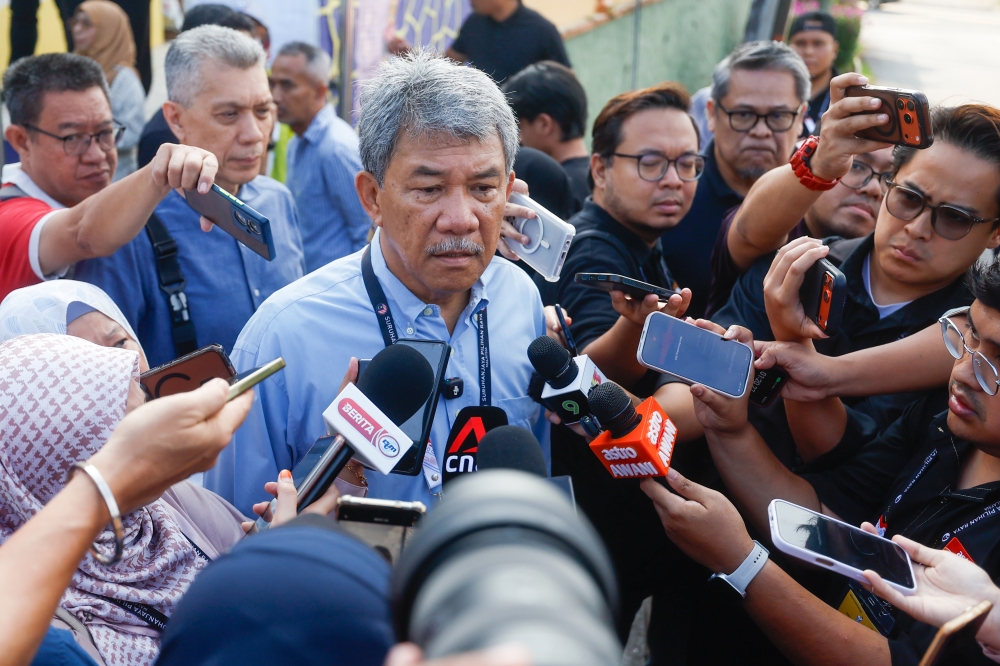
The Umno-led Barisan Nasional coalition demonstrated its organisational strength across generational lines in Negeri Sembilan's recent state election, capturing headlines with candidates at opposite ends of the age spectrum. Siti Nur Umaira Hasim, a 35-year-old BN contender, secured victory as the state's youngest winning candidate, while simultaneously Umno fielded Mohd Isa Samsudin, aged 76, who became the oldest victor among those elected. This pairing underscores the coalition's capacity to mobilise voters across diverse demographic cohorts and suggests a strategic approach to candidate selection that bridges experienced politics with younger, fresher political voices.
Hasim's emergence as the youngest winner carries particular significance in Malaysian political discourse, where youth engagement and representation remain contested issues within traditional coalitions. Her victory indicates that BN's efforts to attract younger voters and present contemporary candidates have yielded measurable results in at least one state contest. The age disparity between Hasim and Samsudin—some four decades—mirrors broader tensions in Malaysian politics between generational renewal and institutional continuity. For Umno specifically, which has faced persistent criticism regarding succession planning and youth integration, these contrasting victors offer a narrative of inclusive governance spanning different life experiences.
Mohd Isa Samsudin's success at 76 reflects the enduring value of experience and established political networks within traditional parties. Voters in his constituency evidently prioritised proven track records over novelty, a pattern that persists across Malaysian electoral contests despite demographic shifts toward younger populations. His victory also highlights how Umno retains organisational machinery capable of mobilising older voter blocs, who typically demonstrate higher electoral participation rates. The coexistence of Samsudin's win alongside Hasim's validates a diversified candidate strategy rather than commitment to uniform demographic targets.
Negeri Sembilan's electoral outcome carries implications beyond the state's borders. As a consistently competitive state contested between BN and Pakatan Harapan, its results influence national political calculations and coalition confidence. A strong showing supporting candidates of widely varying ages suggests BN's foundational institutional strength persists despite years of opposition and intra-coalition tensions. For the broader Southeast Asian region, where Malaysia's political stability influences investor perceptions and regional diplomatic dynamics, stable coalition performances in state-level contests contribute to continuity narratives.
The geographic and demographic composition of Negeri Sembilan influences how these generational victories should be interpreted. The state encompasses both relatively urbanised zones around Seremban and more traditional, semi-rural constituencies where voter behaviour frequently reflects different priorities. Hasim's victory, assuming it occurred in a more urban setting, would validate theories about younger urban voters remaining within BN coalitions despite reported youth migration toward opposition movements. Conversely, Samsudin's constituency likely comprised voters for whom traditional hierarchies and established relationships carry substantial weight.
For Malaysian political observers monitoring party internal dynamics, these election results provide data points regarding succession and renewal debates within Umno specifically. The party has confronted persistent questions about whether it adequately develops next-generation leadership or remains overly reliant on long-serving veterans. Hasim represents the modernisation narrative that party leadership periodically invokes, while Samsudin exemplifies institutional continuity valued by traditional party structures. Whether BN will expand opportunities for candidates in Hasim's cohort or maintain hierarchical advancement favouring candidates like Samsudin remains a critical question for the coalition's long-term trajectory.
Electoral patterns in Negeri Sembilan additionally reflect broader Malaysian demographic trends affecting political calculations. The state's population includes significant portions of both young professionals drawn to economic opportunities and older voters with multi-decade attachment to specific political movements. Candidates capable of resonating across these cohorts, or parties fielding diverse representative slates, likely maintain electoral advantages. BN's dual success suggests it maintained sufficient appeal among both constituencies, though comprehensive analysis would require detailed breakdown of campaign strategies, spending differentials, and local issue prioritisation across age groups.
The implications for Malaysian governance extend beyond electoral symbolism. Coalition and party balance within state assemblies directly affects resource allocation, developmental priorities, and policy implementation. Siti Nur Umaira Hasim's presence in Negeri Sembilan's legislature may introduce distinct perspectives on contemporary issues including digital economy participation, climate adaptation, and urban-rural equity. Conversely, Mohd Isa Samsudin's experience with historical policy debates and established bureaucratic relationships could facilitate implementation of conventional development agendas. The combination potentially creates productive tension or alternatively institutional gridlock, depending on how these representatives navigate legislative coalitions.
Looking forward, these election outcomes warrant monitoring regarding whether they represent anomalies or establish patterns in BN's candidate selection philosophy. If Negeri Sembilan demonstrated successful integration of youthful and experienced candidates delivering electoral victory, other BN-controlled states might adopt comparable strategies. Conversely, if Negeri Sembilan's result reflected unique local factors rather than transferable lessons, similar strategies may not replicate across different electoral contexts. The subsequent state-level contests scheduled across Malaysia over coming years will clarify whether this generational balancing approach gains institutional adoption or remains isolated to particular constituencies.
Regional political analysts observe that Malaysian state elections increasingly function as testing grounds for national coalition strategies and messaging. Negeri Sembilan's approval of both Hasim and Samsudin signals voter receptiveness to candidates positioned along different experience spectra, potentially encouraging broader coalition adoption of age-inclusive candidate development. This development could reshape electoral competition across the region if replicated, contributing to evolved political dynamics within Malaysia and possibly influencing approaches adopted by parties across Southeast Asia facing similar demographic and succession challenges.

