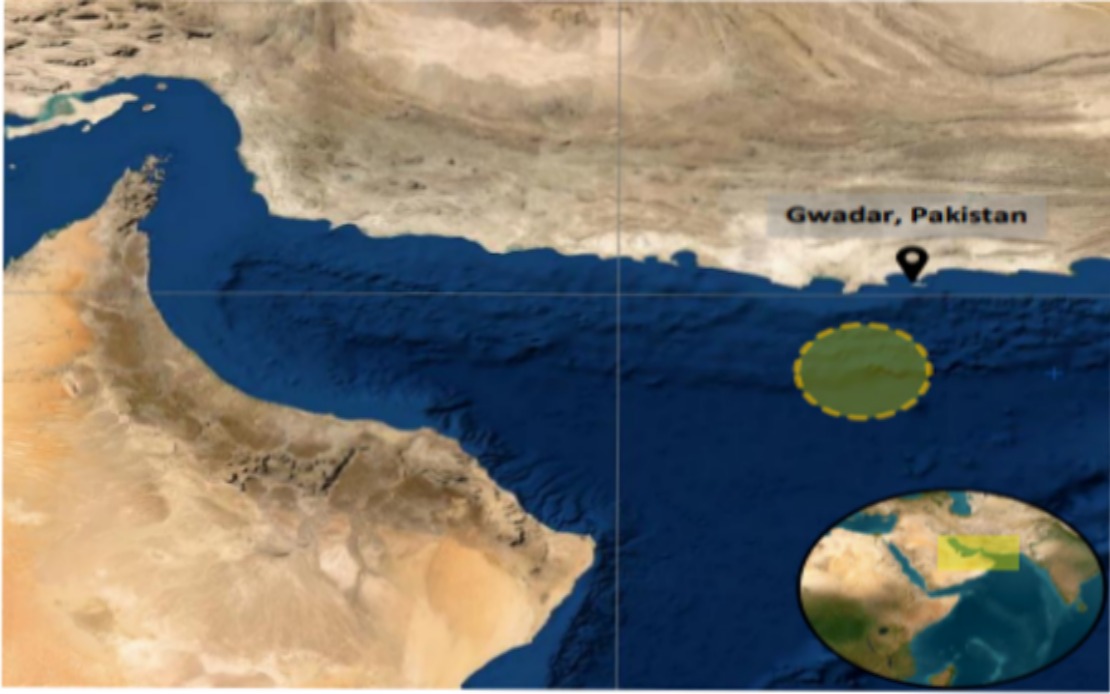
The UK Maritime Trade Operations agency has issued a formal advisory to international shipping after reporting an incident involving a tanker and military forces in the Gulf of Oman near Gwadar on Pakistan's southwestern coast on Tuesday. The notification, distributed through maritime channels, underscores mounting concerns about the safety of commercial vessels operating in one of the world's most strategically sensitive waterways, a route through which millions of barrels of oil transit daily to global markets.
UKMTO's guidance to mariners stressed the importance of remaining vigilant about current maritime security developments and staying abreast of rapidly changing operational circumstances in the region. The agency stopped short of releasing comprehensive details regarding the vessel involved, the nature of the military forces present, or whether the encounter resulted in any casualties or structural damage to the ship. This measured approach reflects standard maritime agency protocol when preliminary investigations remain underway, though it has left questions about the severity and implications of the event.
The incident emerges against a backdrop of sustained geopolitical friction centring on the Strait of Hormuz and surrounding waters, where strategic interests of multiple global powers converge. Relations between the United States and Iran have deteriorated markedly through cycles of military brinkmanship, sanctions escalation, and tit-for-tat incidents that have periodically disrupted shipping lanes and heightened insurance costs for commercial operators. The Gulf of Oman, which connects the Arabian Sea to the Strait of Hormuz, has become a flashpoint where international commerce intersects with military posturing and regional security concerns.
For Malaysian and Southeast Asian shipping interests, the implications carry particular weight. Malaysian-registered vessels and those chartered by regional operators frequently transit these waters en route to European and Middle Eastern markets. Any prolonged deterioration in maritime security forces companies to reroute shipments, incurring substantial additional costs and delays. Insurance premiums for vessels operating in designated high-risk zones rise sharply, effectively taxing regional trade competitiveness and ultimately affecting consumer prices for imported goods across Southeast Asia.
The strategic importance of this corridor cannot be overstated. The Strait of Hormuz alone accounts for approximately one-third of globally traded seaborne oil, and disruptions—whether caused by military confrontations, accidents, or deliberate blockades—reverberate through energy markets worldwide. For oil-importing nations in Southeast Asia, particularly those dependent on Middle Eastern supplies, any sustained threat to safe passage constitutes a direct threat to economic stability and energy security.
UKMTO's decision to issue an advisory reflects a precautionary stance aimed at preventing future incidents through enhanced situational awareness among commercial operators. By alerting vessel masters and shipping companies to heightened risk levels, the agency enables crews to implement additional security protocols, vary their routes where feasible, or consider delaying transit through particularly vulnerable chokepoints. Such measures, though disruptive to scheduling, can prove effective in avoiding dangerous encounters.
The specificity of the location—near Gwadar—adds another dimension to the security equation. Pakistan's strategic port city has emerged as a focal point of international attention given its role in China's Belt and Road Initiative infrastructure ambitions and its growing military significance for regional powers. The proximity of the incident to this economically and strategically important facility suggests the event occurred in waters where multiple national interests intersect, complicating any potential response or investigation.
Ongoing investigations into the incident will likely take weeks to complete, with details emerging gradually through official channels and maritime industry sources. The reluctance of UKMTO to characterise the incident—whether as confrontational, accidental, or routine—suggests uncertainty about the circumstances and motivations of the involved parties. This ambiguity itself constitutes a form of risk, as it prevents maritime stakeholders from making fully informed decisions about voyage planning and risk management.
Regional governments and multilateral organisations have long sought to establish frameworks for de-escalation and transparent communication regarding maritime incidents. Mechanisms such as incident hotlines between naval forces and protocols for emergency communication can substantially reduce the likelihood that misunderstandings escalate into confrontations. However, their effectiveness depends entirely on the willingness of all parties to prioritise stability over strategic positioning, a commitment that has proven inconsistent in recent years.
For Southeast Asian policymakers and business leaders, this incident reinforces the imperative to diversify energy sources and shipping routes. Investment in alternative routes—such as expanded pipeline infrastructure connecting to non-Gulf suppliers or development of northern routes through Siberia—offers potential long-term mitigation against recurring disruptions in traditional chokepoints. Simultaneously, active participation in regional security dialogues and multilateral maritime governance arrangements strengthens the voice of merchant shipping interests in shaping policy responses.
The broader context of escalating US-Iran tensions provides the essential backdrop for understanding the tactical significance of this incident. Each confrontation, however minor in isolation, contributes to a pattern of deteriorating norms and rising probability of a major escalatory event. Commercial operators must now factor geopolitical volatility into route planning and operational decisions in ways that were unnecessary just a decade ago.

