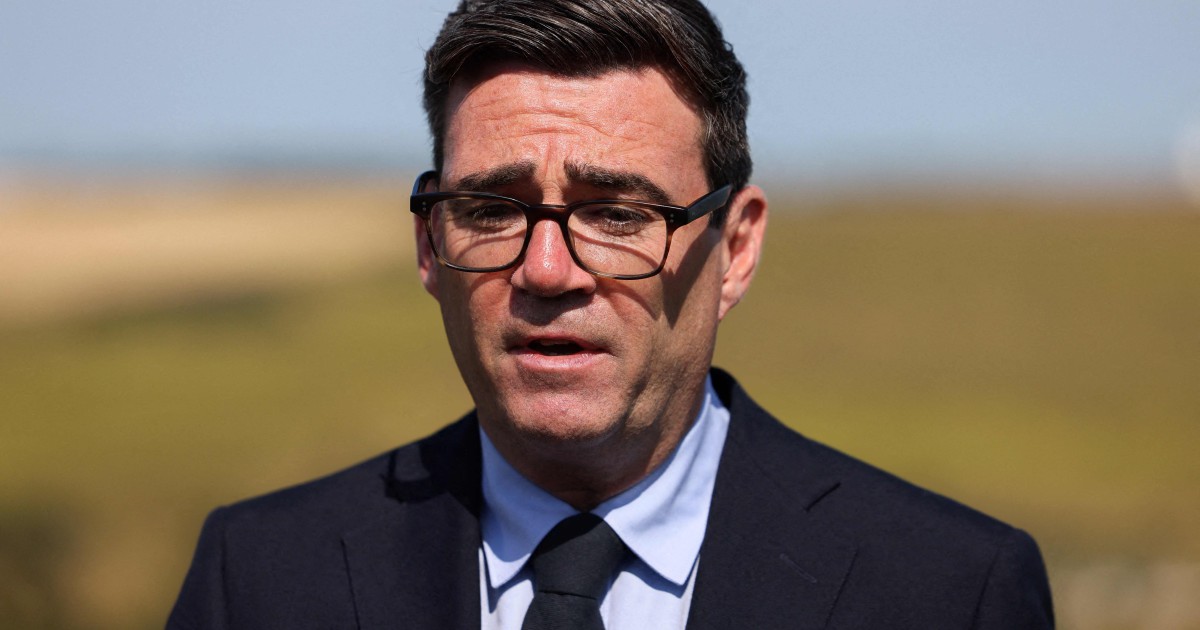
British Prime Minister Andy Burnham is contemplating the launch of a formal public inquiry into the operations and conduct of convicted sex offender Jeffrey Epstein within the United Kingdom, according to remarks made by Minister for Victims Alex Davies-Jones during a BBC interview. The consideration of such an inquiry represents a significant development in how the British government intends to address the extensive criminal legacy of Epstein, whose network of abuse has continued to generate international scrutiny and legal consequences years after his death in custody.
The potential inquiry would examine the full scope of Epstein's activities on British soil, including the mechanisms through which he may have operated, the networks he cultivated, and any institutional or regulatory failures that might have enabled his conduct. Public inquiries in the United Kingdom serve as formal investigative mechanisms with the power to compel evidence, interview witnesses, and issue binding recommendations for systemic reform. Such proceedings typically receive parliamentary oversight and can result in legislative or policy changes across relevant government departments and agencies.
Alex Davies-Jones, in her capacity as the government minister responsible for victims' support and advocacy, indicated that the administration recognises the necessity of examining how Epstein's crimes affected British victims and what institutional gaps may have permitted his activities to continue undetected or unchallenged for extended periods. Her comments suggest that the government has received representations from survivors or advocates pressing for comprehensive accountability through the formal inquiry mechanism rather than through fragmented administrative reviews or criminal prosecutions alone.
The timing of this consideration carries particular significance given the ongoing litigation and investigative work surrounding Epstein's network internationally. The United States has pursued numerous cases against individuals associated with Epstein, and documentary evidence has increasingly exposed the breadth of his operations across multiple countries. Britain's consideration of a dedicated public inquiry places it alongside other nations examining their own regulatory and law enforcement responses to one of the most extensive historical cases of sexual exploitation in modern times.
For Malaysian and Southeast Asian readers, this development underscores the growing international expectation that governments will conduct thorough, transparent examinations of institutional failures that enabled serious crimes. The British approach reflects a broader shift towards accountability mechanisms that move beyond individual prosecutions to examine systemic vulnerabilities. This model has implications for how regional governments might approach similar reviews of organisational failures in sectors ranging from education to financial services.
The inquiry would likely investigate whether relevant British authorities—including law enforcement, financial regulators, and border agencies—possessed information that might have prompted earlier intervention. It would also examine whether there existed coordination failures between domestic and international agencies that could have disrupted Epstein's network. Such findings frequently lead to reforms in inter-agency communication protocols and regulatory oversight procedures.
Public inquiries in the British system generate detailed reports that become matters of public record and parliamentary debate. The recommendations emerging from such an inquiry typically carry substantial weight with government departments and can drive legislative changes. A successful inquiry outcome would provide a documented historical record and a foundation for institutional reforms designed to prevent similar patterns of abuse and regulatory failure.
The consideration of this inquiry also reflects political commitments made by the Burnham government regarding victims' rights and institutional accountability. By examining the full scope of Epstein's British operations, the government signals to survivors that their experiences are taken seriously and that systemic failures will be subjected to scrutiny and remedied. This approach contrasts with narrower responses focused solely on prosecuting identifiable individuals.
Median and civil society organisations in Britain have advocated for precisely this type of comprehensive review, arguing that Epstein's case exposed gaps not only in law enforcement but in financial oversight, professional regulation, and social welfare systems. An inquiry would provide a platform for these criticisms to be formally documented and addressed through policy recommendations with genuine potential for implementation.
The process of initiating a public inquiry typically involves formal government decision-making, often requiring cabinet approval and sometimes parliamentary consultation depending on the inquiry's scope and resource implications. Should Prime Minister Burnham proceed with this consideration, the establishment of such an inquiry would likely occur over coming months, with the investigation itself potentially spanning several years depending on its terms of reference and the volume of evidence requiring examination.

