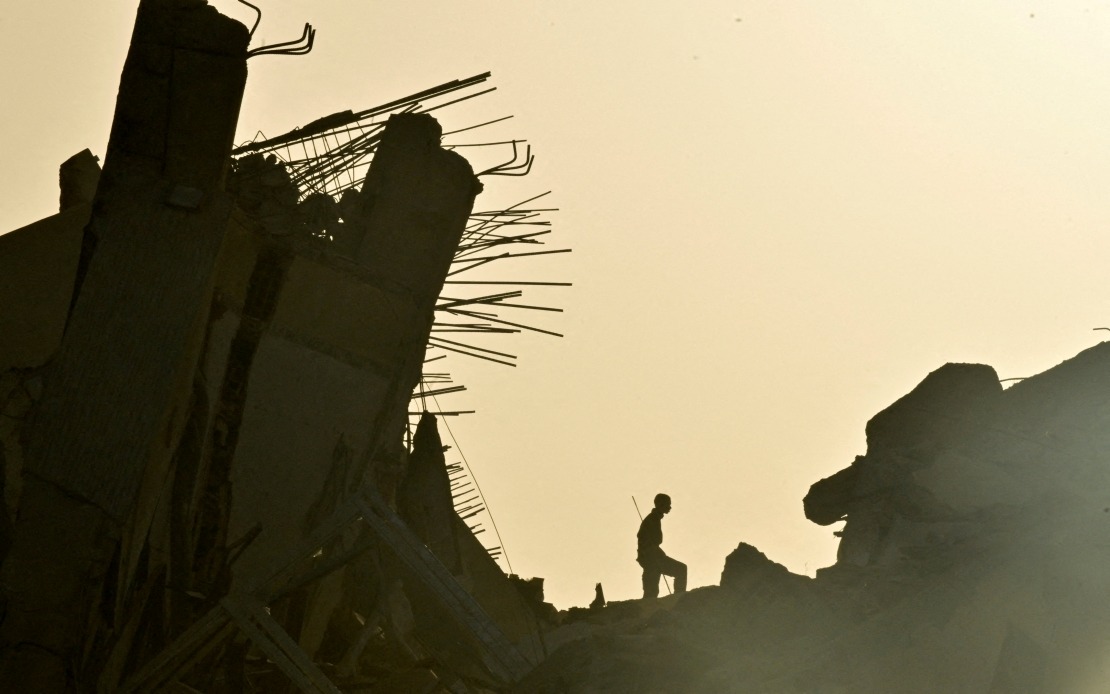
The British public has demonstrated remarkable generosity in response to the devastating earthquakes that struck Venezuela, with fundraising efforts organised through a coalition of UK-based charities reaching a significant milestone of more than £10 million within days of the appeal's launch. The Disasters Emergency Committee, which serves as an umbrella organisation coordinating relief efforts from multiple British charity groups, initiated its fundraising campaign on Wednesday and has already witnessed an outpouring of support that underscores the international solidarity emerging around the natural disaster.
The speed at which donations have accumulated reflects both the severity of the situation on the ground and the effectiveness of coordinated charitable messaging in reaching potential donors across the United Kingdom. The appeal mechanism itself represents a tried institutional approach to mobilising resources during international emergencies, with participating organisations pooling their networks and fundraising infrastructure to maximise impact. This collaborative model has proven particularly effective in translating public concern into tangible financial commitments that can be rapidly deployed to affected regions.
Operations on the ground have intensified as funds flow into relief channels, with DEC-affiliated charities and their local partner organisations working continuously to address the most pressing humanitarian needs emerging from the earthquake aftermath. The distribution of critical supplies—including emergency shelter materials, clean water provision, foodstuffs, and emergency medical services—represents the immediate priority as affected communities grapple with infrastructure damage and displacement. These on-the-ground efforts depend directly on the funding being raised in London and other UK centres, creating a direct pipeline between donor generosity and humanitarian delivery in one of the Western Hemisphere's most challenging environments.
Adjoa Andoh, whose profile as a respected actress and ambassador for the International Rescue Committee has lent credibility to the fundraising campaign, articulated the significance of public participation in disaster response. Her comments acknowledged that without sustained private giving, the capacity of established humanitarian organisations to mount effective responses would be severely constrained. The International Rescue Committee, which maintains operational presence in Venezuela despite the country's broader economic and political instability, stands positioned to translate donations into direct assistance for earthquake-affected populations.
The scale of the response carries implications for broader discussions about international humanitarian responsibility and the role of established wealthy democracies in supporting vulnerable populations elsewhere. For Malaysian and Southeast Asian observers, the UK's institutional approach to emergency fundraising offers comparative perspective on how developed economies mobilise resources during international crises. The existence of coordinated charity mechanisms like DEC reflects decades of institutional development in the voluntary sector, enabling rapid response to unpredictable disasters across geographical boundaries.
Venezuela's vulnerability to such natural disasters carries particular weight given the country's existing humanitarian challenges stemming from economic collapse and political upheaval. The earthquake strikes a nation already managing severe shortages of medicines, food, and fuel, where infrastructure remains fragile and public institutions have been weakened by years of institutional deterioration. In this context, international assistance becomes not merely helpful but potentially life-saving, as domestic capacity to respond independently has been substantially eroded.
The fundraising success also reflects evolving patterns in how international disasters are communicated and monetised in the contemporary media environment. Digital platforms, social media amplification, and celebrity endorsement have become standard components of emergency appeals, enabling information about distant crises to reach mass audiences rapidly. The speed with which the £10 million threshold was reached demonstrates how effectively coordinated campaigns can mobilise resources in an increasingly connected world, where geographical distance no longer necessarily translates into emotional or practical distance.
For donor nations contemplating their international obligations, cases like Venezuela earthquake relief highlight tensions between competing demands on charitable resources. British donors face multiple simultaneous calls for assistance—from Ukraine, from Palestinian territories, from various African countries experiencing drought or conflict—yet the response to Venezuela demonstrates continued capacity for compassion beyond immediate geopolitical concerns. This fundraising capacity should not be taken as endless; it reflects real choices made by real donors allocating limited resources according to their own ethical and political judgements.
The ongoing work of participating charities in Venezuela will extend well beyond the immediate aftermath period. Earthquake relief transitions into longer-term reconstruction phases, requiring sustained funding commitments and technical expertise. International charities working in Venezuela face particular complications given the country's political volatility and complex relationship with international organisations, yet the funds being raised suggest determination to maintain humanitarian presence despite these obstacles. The commitment pledged through this appeal will need to translate into months and potentially years of sustained operational effort.

