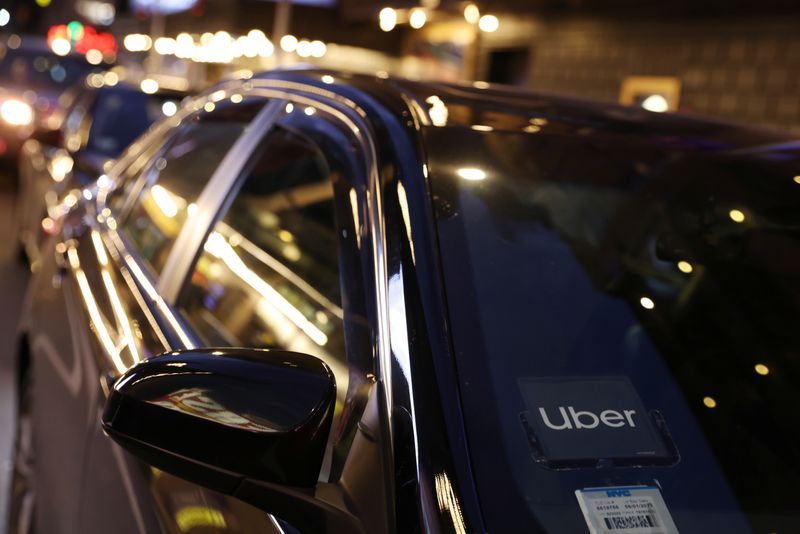
A significant corporate governance challenge has emerged for Uber Technologies as shareholders filed a derivative lawsuit on Monday against the company's board of directors in San Francisco federal court, alleging a persistent pattern of negligence in compliance that has exposed the ride-sharing giant to substantial legal and financial liability. The complaint, spearheaded by the Police and Fire Retirement System of the City of Detroit, contends that board members and senior management deliberately disregarded multiple internal and external warnings regarding the company's inadequate safeguarding mechanisms against sexual misconduct perpetrated by drivers on its platform.
The legal action underscores a critical tension within Uber's operational model and corporate oversight structure. According to the shareholders' filing, the board maintained awareness that fewer than forty percent of platform users trust Uber's commitment to passenger safety—a damning metric that suggests fundamental failures in either implementing protective measures or communicating their effectiveness to the user base. This perception gap between actual safety protocols and public confidence represents a significant strategic vulnerability for a company whose competitive advantage depends substantially on consumer trust and rider confidence.
The scale of sexual misconduct litigation confronting Uber is striking. As of June 1st, the company faced 3,571 lawsuits in federal court in San Francisco alone, each alleging sexual abuse or harassment by drivers. This concentration of cases suggests either a systemic problem in driver vetting and accountability procedures, or inadequate reporting and response mechanisms that allowed problematic individuals to remain active on the platform longer than appropriate. For Malaysian and regional readers, this situation mirrors concerns raised across Southeast Asia regarding the safety protocols employed by ride-sharing platforms operating in countries with developing regulatory frameworks.
Beyond sexual misconduct allegations, Uber's compliance shortcomings extended into disability access and consumer protection domains. The shareholders' complaint references federal government lawsuits filed previously, in which authorities accused Uber of routinely declining to serve passengers with disabilities, including those with service animals or collapsible wheelchairs, while simultaneously engaging in deceptive billing and cancellation practices. These violations suggest a company-wide culture that prioritized operational convenience and cost minimization over regulatory adherence and equitable service provision.
The complaint characterizes Uber as "a serial compliance offender" whose reputation has been "irredeemably damaged" through sustained negative media coverage spanning multiple compliance domains and geographic markets. This characterization carries particular weight in shareholder litigation contexts, as it establishes a pattern of behavior rather than isolated incidents, potentially strengthening arguments that board-level oversight failures constituted breaches of fiduciary duty. The reputational damage metric also matters for investors assessing long-term brand value and market positioning, especially in competitive markets where consumer choice drives platform selection.
Current Chief Executive Dara Khosrowshahi features prominently among the defendants in the derivative action. The shareholders acknowledge that Khosrowshahi, who has held the position for nearly nine years, has adopted a comparatively less aggressive regulatory stance than his predecessor, yet claim he has nevertheless maintained insufficient compliance standards and permitted the company to continue circumventing proper safety and legal protocols. This distinction matters because it suggests the compliance culture problem transcends individual leadership personalities, indicating deeper structural governance failures within the organization.
The derivative lawsuit seeks to compel board members to personally reimburse Uber for the financial consequences of their alleged fiduciary breaches and violations of federal securities law. Derivative actions function as an important corporate accountability mechanism, allowing shareholders to pursue remedies on behalf of the company itself when its board and management fail to act in shareholder interests. The legal theory underpinning such cases holds that board members bear responsibility for ensuring adequate corporate compliance frameworks, and that negligence in this responsibility constitutes compensable harm to the corporation.
Uber's financial performance provides additional context for shareholder grievances. The company's share price has declined more than twenty-five percent from its September 22nd peak, representing substantial shareholder value destruction that shareholders attribute partly to the compliance failures, litigation costs, and reputational damage detailed in the complaint. This stock price trajectory undermines management's implicit argument that flexible compliance approaches generate superior financial returns, instead suggesting that inadequate governance structures and ethical frameworks ultimately undermine shareholder value creation.
The timing of this lawsuit coincides with Uber's broader regulatory challenges in multiple jurisdictions. Earlier in June, Uber and competitor Lyft filed suit against New York City to challenge a new municipal law they contend would impede their ability to remove drivers who pose safety risks to passengers. This legal posture—simultaneously seeking to block safety regulations while facing shareholder accusations of inadequate safety measures—creates a perception management problem that extends beyond any single courtroom. Regulators and policymakers across Southeast Asia, including in Malaysia, may view such litigation patterns as evidence that ride-sharing companies prioritize operational flexibility over passenger protection, potentially influencing regulatory approaches in developing markets.
For Malaysian investors and readers monitoring the ride-sharing sector, Uber's governance challenges carry cautionary implications. The lawsuit demonstrates that platform companies operating across multiple jurisdictions and regulatory regimes face compounding compliance risks when corporate culture systematically deprioritizes safety and regulatory adherence. As regional ride-sharing markets mature and regulatory oversight intensifies, companies that lack robust internal compliance cultures face mounting litigation exposure, reputational damage, and shareholder accountability mechanisms similar to those now confronting Uber in the United States. The case underscores the long-term strategic importance of embedding safety and compliance as core operational values rather than treating them as administrative burdens to be minimized.