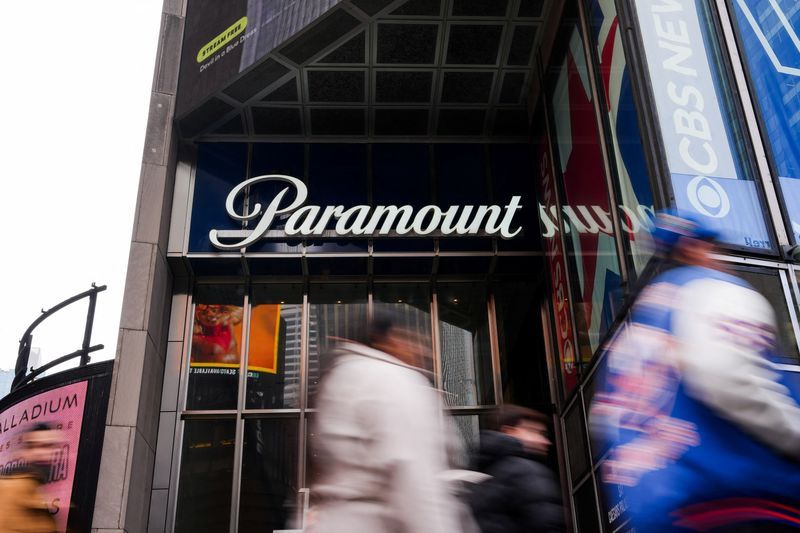
A coalition of twelve American states has moved to block the proposed merger between Paramount Global and Warner Bros Discovery, contending that the combination would hand the resulting entertainment conglomerate dangerous leverage over struggling cinema chains and cable television distributors. The lawsuit, led by California and joined by Oregon, New York, Minnesota and eight other states, raises fundamental questions about market concentration in an industry already reshaped by pandemic losses and the rise of streaming platforms. The challenge arrives as Hollywood grapples with a persistent recovery in cinema attendance and box-office revenue that remains materially below pre-pandemic levels.
California Attorney General Rob Bonta articulated the core concern during a press conference held symbolically in front of the Hollywood sign: a merged entity would possess sufficient bargaining power to extract substantially larger shares of ticket revenues from theater operators, ultimately forcing cinemas to choose between raising admission prices or forgoing capital investments that enhance the moviegoing experience. Bonta specifically highlighted the prospect that theaters would curtail spending on seating comfort, expanded food and beverage offerings, and premium screening technologies—amenities that cinema operators have increasingly relied upon to differentiate themselves in a competitive landscape where streaming services offer free entertainment at home. The attorney general directly linked these concerns to cable television markets, warning that pay-TV subscribers would face higher monthly bills as cable operators lost negotiating leverage against a more powerful content distributor.
The complaint filed in court alleges that consolidating two of the five major American film distributors would produce market-distorting levels of concentration. According to the state prosecutors, the merged company would control more than twenty-seven percent of market share in both theatrical exhibition licensing and basic cable television—thresholds that regulatory frameworks typically treat as cause for heightened antitrust scrutiny. The states argue that fewer competing studios would create conditions where remaining distributors could more easily impose unfavorable financial terms on theater owners, who operate with relatively thin profit margins and lack viable alternatives for blockbuster content. This dynamic mirrors concerns about content scarcity; as more films flow through fewer distribution channels, individual theaters encounter diminished negotiating capacity.
Cinema United, the trade association representing theater operators, has actively lobbied against the transaction and welcomed the legal challenge. Organization president and CEO Michael O'Leary characterized further studio consolidation as carrying consequences that extend far beyond Los Angeles soundstages and into communities nationwide, where independent and regional theater chains function as anchors of civic culture and local economic vitality. His statement underscores how consolidation in entertainment distribution carries implications beyond shareholder returns, touching the fabric of communities where cinemas serve as gathering spaces and employment centers. An executive from an independent theater chain, speaking on condition of anonymity due to fears of commercial retaliation, expressed particular anxiety about escalating rental fees—the percentage of ticket revenue that studios demand from theaters. Studios have historically split box-office proceeds equally with cinemas, though blockbuster films can command sixty percent or more of revenues, leaving theaters with increasingly compressed margins.
Paramount, now helmed by CEO David Ellison, disputes the regulatory concerns raised by the states, characterizing the lawsuit as misapplying established antitrust precedent and misrepresenting competitive dynamics within the entertainment sector. The company's defense emphasizes that delaying closure of the transaction imposes financial penalties that accelerate quarterly, in the form of a ticking fee of approximately six hundred fifty million dollars per quarter payable to Warner Bros Discovery shareholders, with an October deadline established for transaction completion. This financial pressure underscores the stakes for Paramount, which faces mounting quarterly costs if litigation or regulatory review extends the approval timeline. The company argues that blocking the merger would harm entertainment workers in California and across the nation, invoking the severe pandemic-driven employment losses that devastated creative industries and suggesting that a merged entity positioned to compete more effectively against streaming platforms would ultimately support job preservation.
The theatrical exhibition sector continues wrestling with structural headwinds that predate the merger debate. Year-to-date box-office receipts across the United States and Canada reached five point one billion dollars in 2026, representing a ten-point-six percent increase compared to the prior year but remaining sixteen-point-three percent below 2019 levels, according to Rentrak data tracking industry performance. This persistent gap reflects not merely pandemic recovery dynamics but fundamental shifts in consumer entertainment preferences and competitive pressures from streaming platforms that offer convenience and catalog depth. Theater operators have responded by investing aggressively in venue improvements designed to create experiences unavailable through home viewing—premium audiovisual technology, luxury seating, and curated food offerings. Reduced studio revenues available to theaters, as would result from the proposed merger, would force operators to defer or abandon these competitive investments precisely when such differentiation proves essential.
The states' complaint specifically invokes lessons from an earlier significant media transaction: Disney's 2019 acquisition of Fox's entertainment assets. The litigation documents reveal that the combined Disney-Fox entity dramatically reduced theatrical releases, dropping from one hundred twelve wide-release films distributed across 2015 to 2018 to merely fifty-four films released between 2022 and 2025. This historical precedent demonstrates how consolidation reduces content supply flowing to theaters, constraining the product variety available to cinema audiences and reducing competitive opportunities for independent theaters to attract moviegoers. Bonta drew a direct parallel, cautioning that Paramount-Warner Bros consolidation would likely produce analogous market contractions that harm independent operators unable to guarantee their exhibition schedules or negotiate favorable revenue splits with an entity controlling vast catalogs.
Beyond theatrical markets, the proposed transaction raises acute concerns within cable television distribution. A combined Paramount-Warner Bros entity would control an integrated portfolio encompassing CNN, TNT, Food Network, and HBO—properties that cable operators must carry to offer comprehensive programming to subscribers while maintaining competitive appeal against rival cable and satellite platforms. The complaint alleges that consolidation would eliminate competitive tension between these two major content distributors, affording the merged company decisive bargaining leverage over cable operators. Pay-TV providers would confront a situation where accepting unfavorable bundling arrangements and pricing terms represents the only realistic option, ultimately shifting negotiating losses onto consumers through higher monthly cable bills. This dynamic reveals how entertainment consolidation extends consequences across multiple downstream markets.
The litigation does not challenge Paramount's separate streaming strategy, specifically the integration of Paramount+ with HBO Max to create a competitive combined streaming platform. Regulators appear focused on theatrical exhibition and cable distribution concerns rather than streaming consolidation, suggesting that policymakers distinguish between markets based on competitive characteristics and consumer impact dynamics. This regulatory framing reflects ongoing uncertainty about how streaming and theatrical distribution will ultimately coexist; regulators may view streaming integration differently than traditional theatrical and cable leverage. The distinction reveals evolving enforcement approaches, where consolidation in distribution channels controlling access to content receives greater scrutiny than consolidation among streaming platforms competing through direct consumer subscription.

