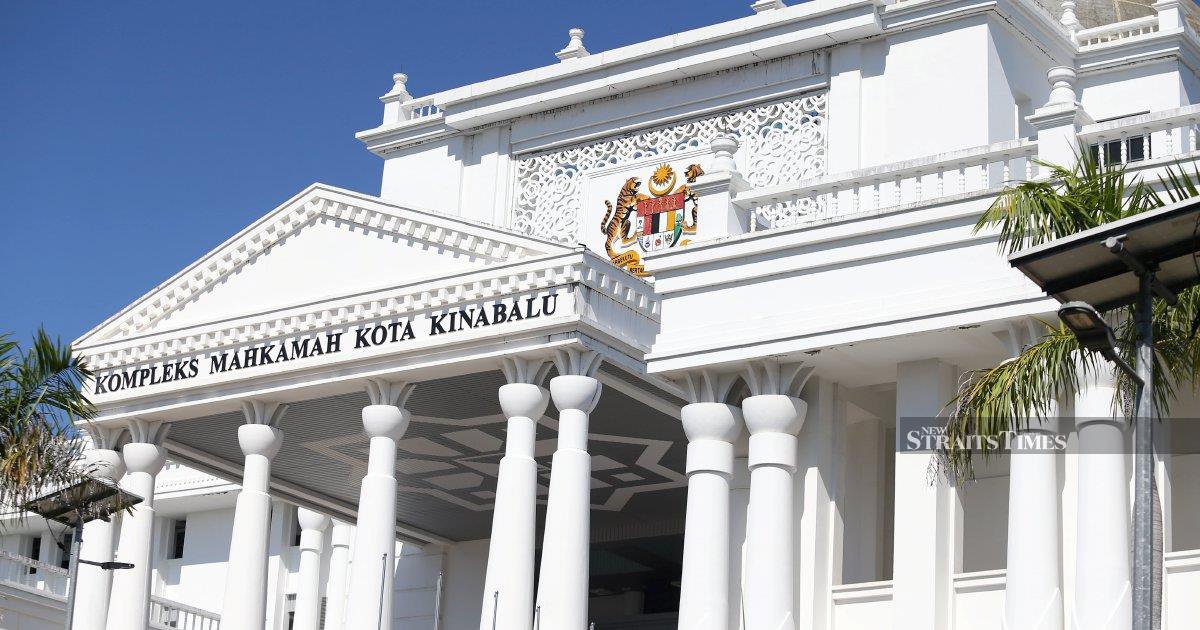
Two women arrested recently in connection with an alleged traditional healing scam have been formally charged in the Sessions Court in Kota Kinabalu with three counts of criminal conspiracy to cheat. The charges mark a significant step in authorities' ongoing efforts to crack down on fraudulent health practitioners exploiting vulnerable individuals across Sabah.
Traditional healing schemes have become an increasingly prevalent form of fraud across Malaysia, targeting individuals desperate for alternative medical solutions or those distrustful of conventional healthcare. These scams typically prey on patients suffering from chronic illnesses or conditions where modern medicine offers limited treatment options. The targeting of multiple victims in this case suggests an organised approach rather than isolated incidents, indicating how such fraudulent operations can scale their deceptive practices to maximise financial gains.
The decision to prosecute under criminal conspiracy legislation demonstrates prosecutorial intent to address not merely the individual deceptions but the coordinated planning and execution of the fraud. Conspiracy charges carry significant legal weight and allow courts to impose harsher penalties on offenders who operated as a team. This approach has proven effective in dismantling larger criminal networks and serves as a deterrent to others contemplating similar schemes.
Consumer fraud in the wellness and health sector remains particularly challenging for enforcement authorities because victims often remain silent, embarrassed by their victimisation or reluctant to acknowledge they fell prey to deception. The involvement of traditional healing specifically touches on cultural sensitivities, as legitimate traditional medicine practitioners operate throughout Malaysia, and the actions of fraudsters can damage public confidence in genuine alternative therapies. Distinguishing between licensed, ethical practitioners and charlatans requires public education and clearer regulatory frameworks.
Sabah, like other Malaysian states, has experienced a surge in health-related scams in recent years, coinciding with increased internet connectivity and social media usage. Online platforms have enabled scammers to reach wider audiences, create false credentials, and operate with greater anonymity. The accessibility of digital marketing tools means fraudsters can present themselves as qualified practitioners with impressive testimonials and before-and-after photos, often fabricated or doctored to appear credible.
The three victims mentioned in the charges represent documented cases severe enough to warrant prosecution, but the actual number affected by these operations could be substantially higher. Many individuals may not realise they have been defrauded until significant time has passed, or they may attribute their worsening condition to their illness rather than the ineffectiveness of the treatment. This lag in reporting allows scammers to continue operating longer than they might otherwise.
Legislative efforts to combat such fraud have intensified nationwide, with amendments to the Consumer Protection Act and stricter enforcement of health advertising regulations. However, the sophistication of modern scams often outpaces regulatory updates. Perpetrators frequently operate across state and even national boundaries, complicating jurisdiction issues and making coordinated investigation and prosecution more challenging for authorities operating within defined geographical areas.
For consumers in Malaysia, particularly in Sabah where traditional remedies hold considerable cultural significance, the case underscores the importance of verifying credentials before seeking alternative treatments. The Malaysian Medical Council and equivalent regulatory bodies maintain registries of licensed practitioners, and consulting these before engaging in treatment can provide crucial protection. Equally, seeking a second opinion from qualified medical professionals remains prudent before undertaking expensive alternative treatments, particularly for serious health conditions.
The prosecution signals that Malaysian authorities are adopting a more aggressive stance against wellness fraud, recognising its harmful impact not just on individual victims' finances but on their health outcomes. When fraudsters delay genuine medical treatment through false promises of alternative cures, the consequences can be severe and irreversible. This public health dimension adds urgency to enforcement efforts beyond simple consumer protection considerations.
Moving forward, the outcomes of this Sessions Court case will likely influence how similar cases are prosecuted across Malaysian jurisdictions. Establishing clear legal precedent around conspiracy charges related to healing fraud can streamline future prosecutions and potentially encourage greater reporting from victims who see authorities taking the matter seriously. Education campaigns emphasising the warning signs of fraudulent practitioners—unsupported miracle claims, pressure to pay large sums upfront, discouragement of medical verification—remain essential complements to legal enforcement.

