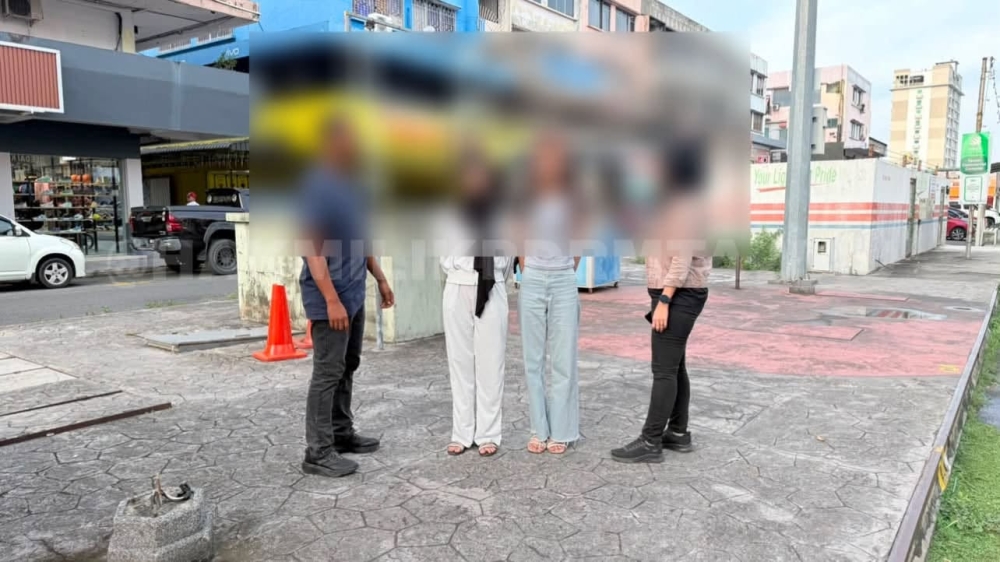
A routine evening at a Bandar Fajar restaurant in Tawau descended into chaos when two women became involved in a physical altercation, prompting police intervention and subsequent arrests. The incident, which unfolded on July 13, resulted in both individuals being taken into custody as authorities launched an investigation into what triggered the confrontation.
The Tawau Royal Malaysia Police have confirmed that both women are currently assisting in the inquiry. While specific details regarding the nature of their dispute remain unclear, the incident underscores recurring concerns about public disorder in commercial dining establishments across Sabah's east coast district. Police have not yet disclosed the identities of those involved or released a detailed account of how the situation escalated.
Restaurant brawls, while not uncommon in urban centres, carry particular significance in smaller towns like Tawau where such incidents can rapidly become focal points of community discussion. The Bandar Fajar area, a popular commercial hub, hosts numerous dining venues that cater to both local residents and visiting traders. An altercation in such a public setting raises questions about safety protocols and conflict de-escalation measures employed by establishment staff.
The circumstances leading to the confrontation have not been officially detailed, though preliminary reports suggest the dispute arose between the two women themselves rather than involving other patrons or restaurant personnel. Whether the conflict stemmed from personal grievances, disputes over service, or other precipitating factors remains unknown as investigations continue. Such incidents occasionally illuminate underlying social tensions or individual disputes that boil over in public spaces.
For Tawau, a major commercial and logistics hub in Sabah's interior, maintaining order in public establishments is essential for sustaining the town's reputation as a functioning business centre. The municipality relies heavily on its retail and hospitality sectors to generate economic activity and employment. Public disorder incidents, particularly those garnering police involvement, can inadvertently affect customer confidence and foot traffic to dining and entertainment venues.
Local law enforcement has not yet indicated whether additional charges might be filed once investigations conclude. Police procedures in such cases typically involve interviewing both parties, reviewing available evidence, and determining whether the altercation constitutes assault, affray, or other criminal categories under Malaysian law. The outcomes of these investigations will likely inform whether the matter proceeds through the judicial system.
The incident also reflects broader conversations about conflict management and community safety in Sabah's interior towns. Unlike larger urban centres such as Kuala Lumpur or Johor Bahru, smaller municipalities sometimes possess limited specialised resources for managing public order incidents. Training for restaurant and hospitality staff in recognising escalating tensions and implementing de-escalation techniques could potentially prevent such situations from culminating in physical violence.
Family background and personal circumstances of those arrested may eventually emerge if the matter reaches court proceedings. Malaysian courts frequently consider such factors when determining appropriate sentencing for public disorder offences. First-time offenders, for instance, may receive different treatment than those with prior records of similar conduct.
The Tawau police have urged anyone with information regarding the incident to come forward. Community cooperation remains crucial for investigations, particularly when incidents occur in crowded public spaces where numerous potential witnesses may have observed the events. Anonymous tip lines and formal complaint procedures provide avenues for individuals uncomfortable with direct police contact.
Moving forward, this incident may prompt restaurant owners and managers throughout Tawau to review their internal protocols for handling customer disputes and maintaining order. Many establishments have begun implementing CCTV systems and training staff in de-escalation techniques, though uptake varies across the hospitality sector. The event serves as a reminder of how quickly social interactions can deteriorate in public dining environments and the importance of professional, measured responses to emerging tensions.
As the investigation progresses, the case will likely clarify what specifically triggered the altercation and whether either woman had prior involvement with law enforcement. These details, once made public through court proceedings or police statements, may provide insights into whether this represented an isolated incident or part of a pattern of behaviour. Until then, Tawau residents and business owners remain focused on the ongoing inquiry and its eventual resolution.

