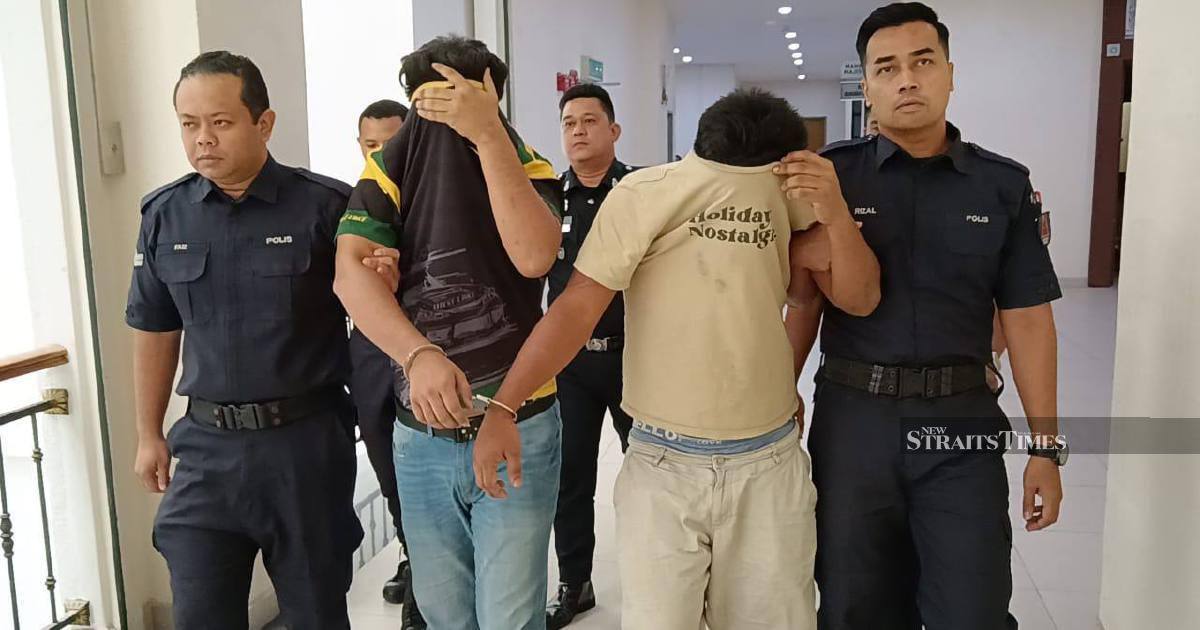
Two Rohingya men who possess UNHCR documentation have been formally charged at Muar Magistrate's Court in connection with an escalating pattern of residential burglaries that has troubled the Johor district in recent weeks. The charges mark a significant development in what local law enforcement officials describe as an organised campaign of property crimes targeting homes across the municipality.
The appearance of the accused, whose names and ages were not disclosed in court proceedings, follows an extended investigation by district police into multiple break-in incidents reported by residents across Muar. Authorities had been tracking a series of thefts and break-ins over a sustained period, during which residents reported missing valuables, electronics, and cash from their homes. The investigation eventually led officers to identify the two suspects and link them to the criminal network responsible for the spree of burglaries.
The presence of UNHCR cards among the accused individuals underscores an ongoing challenge facing Malaysia's management of displaced populations and refugee communities. The UNHCR, or United Nations High Commissioner for Refugees, issues identification documents to persons of concern seeking international protection and humanitarian assistance. While the vast majority of cardholders comply with local laws and regulations, isolated cases of criminal involvement by documented refugees have periodically strained public perception and created friction between host communities and displaced populations.
Muar, situated in Johor's Tangkak region, has experienced growing tensions in recent years regarding property crime, with residents increasingly reporting concerns about break-ins and theft. The district's proximity to both residential neighbourhoods and commercial areas has made it a focal point for criminal activity, and police have previously launched dedicated operations targeting habitual offenders and organised burglary networks. The charges against these two individuals suggest that authorities have identified them as core members of what may be a larger criminal syndicate.
The prosecution of UNHCR cardholders in criminal matters carries broader implications for Malaysia's relationship with international humanitarian institutions and its obligations under refugee protection frameworks. While Malaysian authorities maintain full jurisdiction to prosecute individuals regardless of their refugee status or documentation, such cases inevitably draw scrutiny from human rights observers and international agencies monitoring conditions for displaced persons in the country. The outcome of these proceedings will be closely watched by both local communities demanding stronger law and order and advocates concerned about fair treatment of vulnerable populations.
Rohingya communities have maintained a significant presence in Malaysia for decades, with thousands having fled persecution and violence in Myanmar's Rakhine State. While many have integrated peacefully into Malaysian society, working in informal sectors and supporting their families through lawful employment, sporadic criminal incidents involving members of the community have periodically emerged. These isolated cases have sometimes been weaponised in public discourse to justify discriminatory attitudes toward the broader Rohingya population, despite statistical evidence suggesting crime rates among refugee communities remain proportionally lower than among other demographic groups.
Local police investigations into the Muar break-ins had reportedly focused on identifying patterns in timing, methods, and targeted properties to establish links between disparate incidents. Detectives assembled evidence through interviews with victims, examination of crime scenes, and review of surveillance footage from affected areas. The successful identification and charging of suspects represents a culmination of sustained investigative work by Muar police, who have faced mounting pressure from residents demanding action against the burglary network.
The magistrate's court charges represent the formal commencement of legal proceedings, with the accused now subject to the Malaysian criminal justice system's due process requirements. Should the prosecution proceed, the burden falls on authorities to present evidence establishing guilt beyond reasonable doubt. Defence counsel will have opportunity to present counter-arguments and challenge evidence presented by prosecutors. The trials are expected to span several weeks, with outcomes potentially setting precedent for similar cases involving documented refugees accused of property crimes.
For Muar residents, the charges provide some measure of reassurance that police are actively pursuing those responsible for the wave of break-ins that have left many feeling unsafe in their own homes. Community confidence in law enforcement capacity to address property crime has been a persistent concern, particularly in residential areas perceived as having inadequate police presence. The successful resolution of this investigation may encourage residents to report suspicious activity and cooperate with ongoing police operations targeting other criminal networks.
The broader context of refugee integration in Malaysia remains contentious, with limited resources for social services, employment support, and community policing straining capacities to manage peaceful coexistence between host populations and displaced persons. While criminal prosecution of individuals must proceed according to law and evidence, addressing underlying factors that may drive some members of refugee communities toward crime—including poverty, limited employment opportunities, and social marginalisation—remains equally important for maintaining long-term stability and reducing recidivism.

