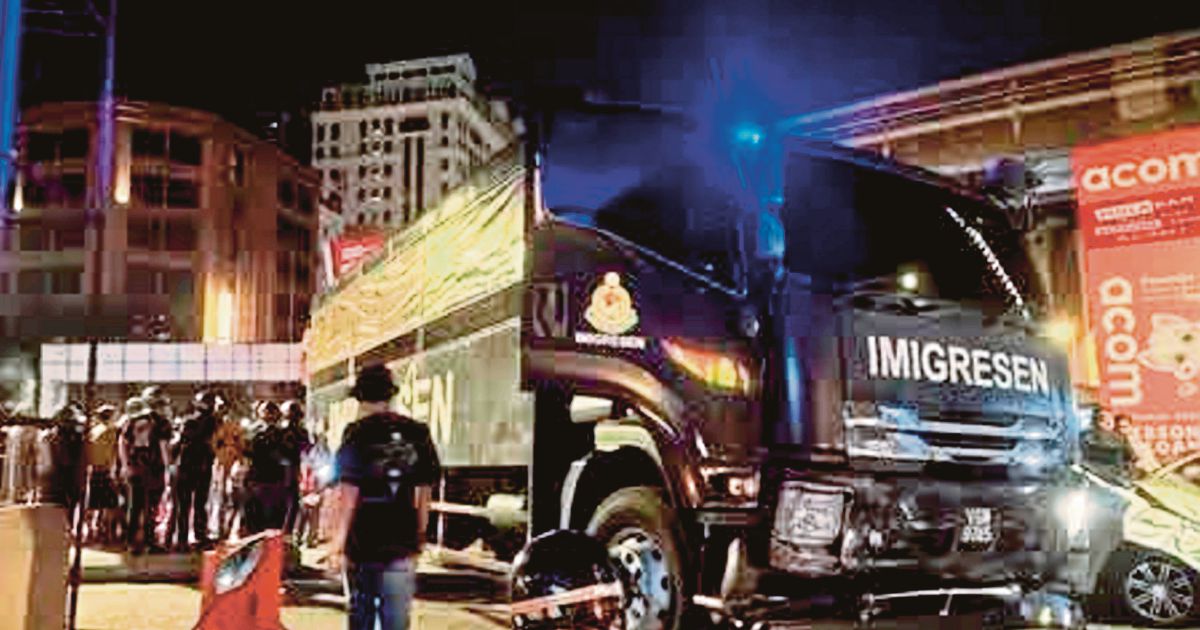
Police have detained two drivers for interrogation following a devastating traffic collision on Jalan Sultan Ismail in Kuala Lumpur that resulted in three deaths. The accident, which occurred in the early morning hours, involved a lorry operated by the Immigration Department and claimed the lives of a father and his two daughters. Both operators remain in custody as investigators piece together the sequence of events that led to the tragedy.
The remand order reflects the seriousness with which authorities are treating the incident and signals that preliminary investigations have produced sufficient grounds to warrant extended questioning. Police have not yet released details regarding the specific charges that may be preferred against the two drivers, nor have they disclosed the identities of those involved or provided a preliminary determination of legal liability. The remand period will allow detectives to reconstruct the accident scene data, examine vehicle condition reports, and interview witnesses who may have observed the collision.
Fatalities involving commercial vehicles on major Kuala Lumpur thoroughfares have become an increasing concern for traffic safety advocates and the police force alike. Jalan Sultan Ismail, a major arterial route through the city's commercial and residential zones, experiences heavy traffic throughout most hours of the day. The timing of this collision in the early morning suggests that visibility, road conditions, or driver fatigue may have played contributory roles—factors that investigators will scrutinise closely during their examination of the evidence.
The involvement of an Immigration Department vehicle adds an administrative dimension to the investigation, as questions may arise regarding vehicle maintenance protocols, driver screening procedures, and whether the lorry was operating within prescribed safety parameters at the moment of impact. Government departments operating commercial vehicles are typically subject to specific regulatory oversight, and this incident may prompt reviews of fleet management practices across various ministries and agencies.
Traffic collisions resulting in multiple fatalities invariably attract intense public concern and media scrutiny in Malaysia. When such incidents occur in high-profile locations like Jalan Sultan Ismail during business hours or morning commute periods, they amplify existing anxieties about road safety that commuters experience daily. The loss of an entire family unit compounds the tragedy and often sparks broader community conversations about road discipline, speed enforcement, and vehicle safety standards.
Investigators will examine multiple dimensions of causation, including whether either vehicle was operating at excessive speed, whether proper attention was maintained by the drivers involved, whether visibility was compromised by weather or lighting conditions, and whether any mechanical defects contributed to the collision. Toxicology screening and examination of communication records may also form part of the comprehensive investigation protocol. The angle of impact, the damage patterns on both vehicles, and debris distribution across the roadway will provide forensic evidence that helps reconstruct the precise moment of contact.
For the immediate family members of the deceased, the remand of the drivers offers little comfort but represents the beginning of formal legal accountability. Malaysia's traffic laws provide various potential charges that prosecutors may consider, ranging from careless driving causing death to more serious charges depending on the determination of negligence levels. The eventual judicial outcome will likely influence how similar cases are prosecuted and may establish precedent regarding standards of driver responsibility in commercial vehicle operations.
The incident serves as a sobering reminder of the inherent dangers posed by heavy vehicles operating in urban environments where pedestrian and vehicular traffic intermixes constantly. Malaysia has experienced recurring periods of elevated traffic fatality rates, and fatal collisions involving commercial vehicles remain a persistent problem despite ongoing enforcement campaigns and public awareness initiatives. Each serious incident prompts calls from safety advocates for stricter driver training requirements, more rigorous vehicle inspection protocols, and enhanced speed enforcement in urban zones.
Police investigations into such complex incidents typically require several weeks to complete, involving consultation with forensic specialists, accident reconstruction engineers, and witness testimony compilation. The remand period allows authorities to conduct thorough examinations without immediate pressure to lay charges, ensuring that any formal accusations are built upon comprehensive evidence. Public statements from the police will likely remain limited until charges are formally preferred or the investigation reaches natural conclusion points.
The tragic loss of three family members has reverberated through the Kuala Lumpur community and serves as yet another data point in Malaysia's ongoing road safety crisis. Beyond the legal consequences for those charged, the incident underscores the need for systematic improvements in how commercial vehicles are operated, monitored, and maintained. As investigations progress, the information disclosed may reveal specific systemic failures or individual lapses that contributed to the collision, offering valuable lessons for policymakers and safety professionals working to reduce traffic fatalities across Malaysia.

