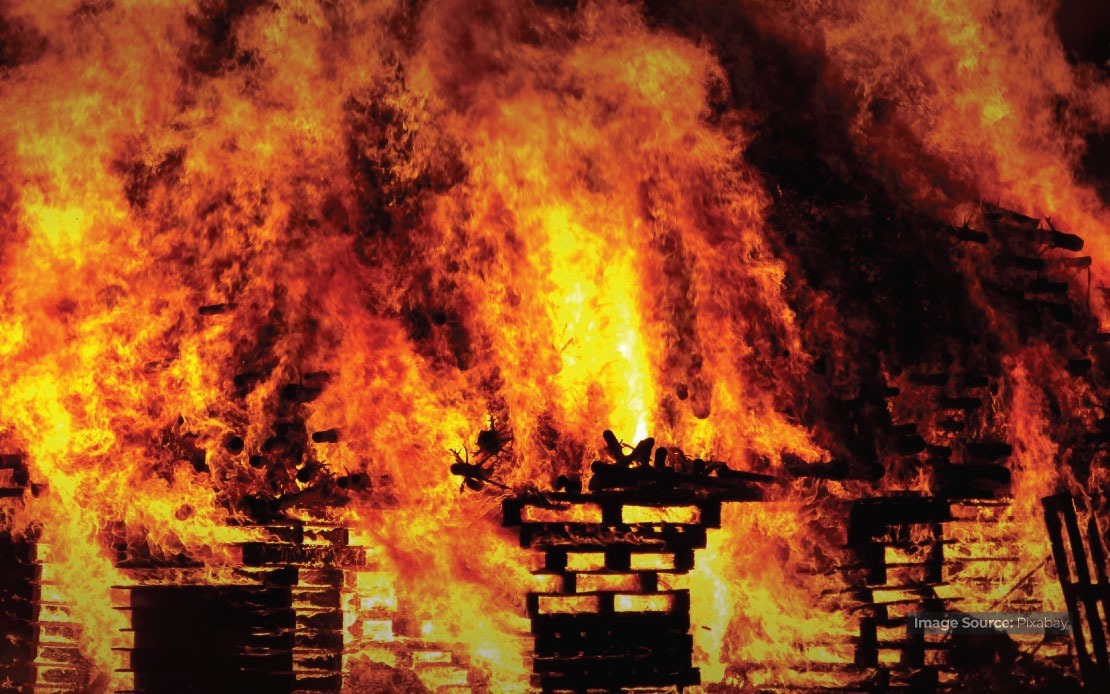
A residential fire in the Schaerbeek district of Brussels-Capital Region claimed two lives and left eight others requiring hospital treatment early Sunday morning, prompting an immediate emergency response from local authorities. The incident, which unfolded in the early hours, triggered a coordinated effort among municipal services and fire personnel to manage the immediate aftermath and support affected residents across the region.
Among those hospitalised following the blaze, two individuals sustained injuries serious enough to warrant urgent medical intervention, according to details released jointly by Schaerbeek municipal authorities and the Brussels Fire Brigade. All eight injured persons were transported to various medical facilities throughout the Brussels-Capital Region to receive appropriate treatment. The scale of the emergency response underscored the severity of the incident and the potential risk posed by residential fires in densely populated urban areas like Schaerbeek, a municipality that shares the challenges of fire safety common to many older European city districts.
The precise origin and cause of the fire remain unclear at this stage, with investigations only recently commencing. Recognising the need for a thorough and independent examination, the public prosecutor's office has taken charge of the investigative process. Authorities have assembled a specialist laboratory team and engaged an expert in fire investigation to examine the scene comprehensively, analyse physical evidence, and reconstruct the sequence of events that led to the outbreak. This methodical approach reflects standard European investigative protocols for fatal fires, where determining causation is critical for both legal accountability and preventing future incidents.
Martin de Brabant, acting Mayor of Schaerbeek, activated the municipality's emergency protocol in response to the disaster, mobilising all available municipal resources to address the immediate humanitarian needs of those affected. The decision to invoke emergency procedures enabled rapid deployment of services that might otherwise have been constrained by standard operational frameworks. This escalation signalled the seriousness with which local government viewed the situation and the necessity for an all-hands response to manage displacement, trauma, and recovery support for residents who had lost their homes or been caught in the emergency.
The coordinated statement issued by both municipal and fire brigade leadership emphasised the multi-layered support being extended to evacuated residents and their families. Beyond immediate medical care for the injured, municipal services mobilised to secure temporary accommodation for those displaced by the fire, addressing one of the most pressing concerns facing people who have lost their homes in such emergencies. The speed and comprehensiveness of this response can significantly influence how quickly communities recover from traumatic incidents and rebuild their sense of security.
Beyond emergency triage and shelter provision, authorities recognised the psychological toll that such a catastrophic event places on survivors and community members. The statement highlighted the availability of psychosocial support services, reflecting a more holistic understanding of disaster response that extends beyond physical safety to encompass mental health and emotional wellbeing. In residential fires where fatalities occur, trauma is widespread even among those who escaped physical harm, and structured mental health intervention can prevent long-term psychological consequences for survivors.
The material assistance component of the response acknowledged the concrete losses facing displaced residents, who may have lost possessions, documents, and the immediate means to sustain themselves. Municipal services were positioned to help families navigate insurance claims, temporary housing arrangements, and the practical challenges of rebuilding lives disrupted by fire. Such coordination between emergency services and administrative structures has become increasingly important in European cities dealing with regular residential disasters.
Residential fires remain a persistent public safety challenge across urban Europe, particularly in older housing stock where fire suppression systems may be less advanced or absent entirely. For Malaysian readers familiar with tropical urban environments and the specific fire risks inherent in high-density residential complexes, the Brussels incident offers a reminder that fire safety transcends geography and climate. Building codes, emergency response capabilities, and post-disaster support systems form a comprehensive safety framework that developed nations continue refining, even as incidents like this one demonstrate the potential for catastrophic outcomes.
The investigation's outcome will likely inform discussions about residential fire prevention standards in Brussels and potentially across Belgium and the European Union. Such enquiries often lead to recommendations for enhanced building regulations, improved fire detection systems, or changes to emergency evacuation procedures. The involvement of the public prosecutor's office signals that legal implications may extend beyond determining cause to potentially establishing liability or negligence, a process that can take months or years to complete.

