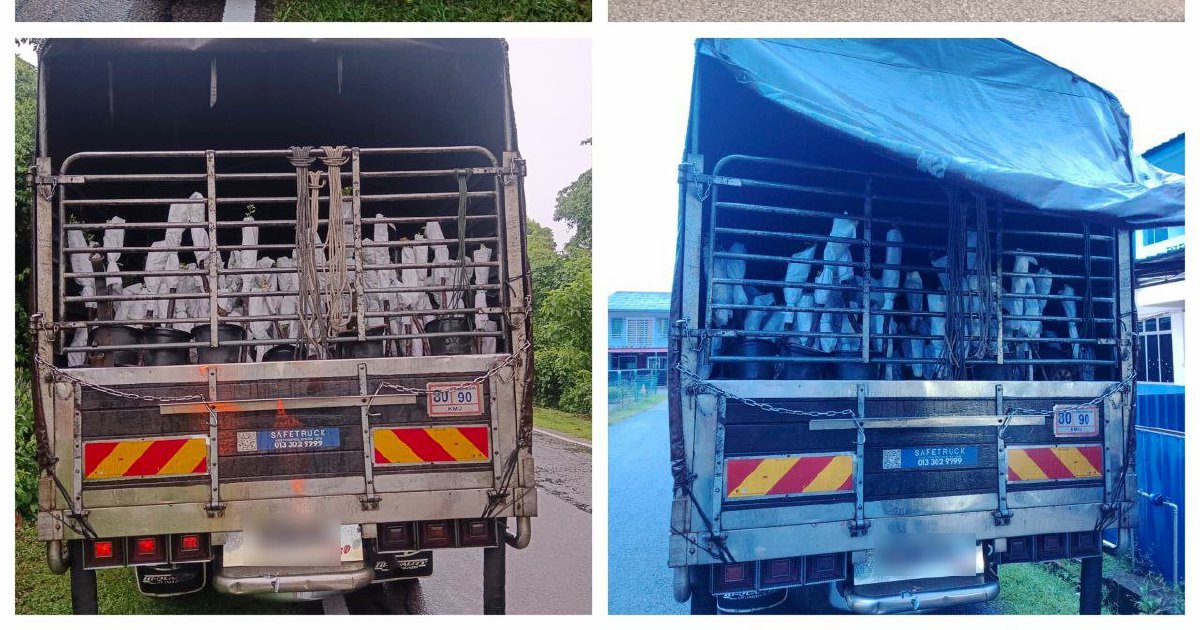
Kelantan authorities have arrested two men transporting a substantial shipment of illegally imported plant saplings across the Thai-Malaysian border at Rantau Panjang. The operation, conducted on the previous day, resulted in the seizure of horticultural stock valued at RM85,000, marking another success in efforts to combat smuggling activities at the northern border crossing.
The apprehended individuals, identified as a lorry driver and his attendant, were intercepted while attempting to move the illicit cargo through the Rantau Panjang checkpoint. The discovery underscores persistent challenges facing customs and enforcement agencies tasked with preventing contraband movement across one of Malaysia's busiest land borders. Border security operations have increasingly focused on vegetative and plant materials, as these commodities represent a significant smuggling route that often escapes public attention compared to other contraband categories.
Plant saplings and horticultural products moving across the Malaysia-Thailand border typically face strict regulatory oversight due to quarantine and phytosanitary requirements designed to protect domestic agricultural interests. The smuggling of such materials circumvents mandatory inspection protocols and risks introducing invasive species or pathogens that could damage local flora and agricultural ecosystems. Enforcement agencies maintain heightened vigilance at crossing points to intercept undeclared botanical shipments that bypass official agricultural checkpoints.
The RM85,000 valuation reflects both the quantity and commercial potential of the confiscated saplings, suggesting an organized smuggling operation rather than incidental contraband. Such large-scale seizures indicate demand within Malaysia's horticultural and landscaping sectors for plants sourced through informal channels, often at reduced costs compared to legitimate imports. The price differential creates financial incentives that drive cross-border smuggling activities targeting the local plant and nursery trade.
Rantau Panjang, situated in Kelantan along the northern boundary, represents a critical enforcement zone where authorities routinely encounter smuggling attempts. The location's geography and infrastructure make it vulnerable to contraband movement, as established transportation networks facilitate rapid movement of goods between Thailand and Malaysia. Law enforcement presence at such checkpoints serves dual purposes: disrupting criminal networks while maintaining border integrity and customs compliance.
Plant material smuggling carries specific risks that distinguish it from other contraband categories. Uncontrolled introduction of foreign saplings could potentially establish populations of invasive species that threaten native biodiversity and agricultural productivity. Additionally, undeclared plant shipments bypass phytosanitary inspections that would identify pests, diseases, or pathogens that might harm Malaysia's agricultural sector. These regulatory frameworks exist to protect both natural ecosystems and commercial farming interests.
The apprehension of both the driver and attendant suggests coordinated criminal activity with defined roles within the smuggling operation. Investigation into their activities will likely reveal supply chains, distribution networks, and potential connections to broader smuggling syndicates operating across Southeast Asian borders. Such intelligence gathering contributes to broader efforts to dismantle organized smuggling enterprises rather than simply interdicting individual shipments.
Border enforcement agencies have progressively enhanced detection capabilities and coordination mechanisms to address evolving smuggling methodologies. The successful interception at Rantau Panjang demonstrates ongoing vigilance despite the challenges posed by high trafficking volumes and the sophisticated techniques employed by smuggling organizations. Continued investment in personnel, technology, and inter-agency cooperation remains essential for maintaining border security effectiveness.
The incident exemplifies how Malaysia's position as a major trading hub along regional corridors requires constant attention to customs enforcement. While container traffic through major ports dominates public attention, land borders remain venues for persistent smuggling attempts across diverse commodity categories. The horticultural sector, though less prominent in media coverage than drugs or counterfeit goods, represents a meaningful enforcement priority due to biosecurity implications and revenue losses from uncontrolled trade.
For Malaysian readers, this seizure reflects broader efforts by enforcement authorities to combat illegal trade that undermines legitimate businesses and poses environmental risks. Domestic nursery operators and landscaping companies face unfair competition from smuggled plant materials, while consumers purchasing illicit stock assume unknown risks regarding plant health and regulatory compliance. Public awareness of these enforcement operations reinforces the importance of purchasing horticultural products through legitimate channels that guarantee quarantine compliance and quality assurance.
Legal consequences facing the arrested individuals will depend on investigations revealing their knowledge of the contraband and their roles within potential smuggling networks. Prosecutions under customs legislation and agricultural protection laws serve both punitive and deterrent functions within Malaysia's enforcement framework. Such cases establish precedent and signal commitment to prosecuting border violations involving plant materials.

