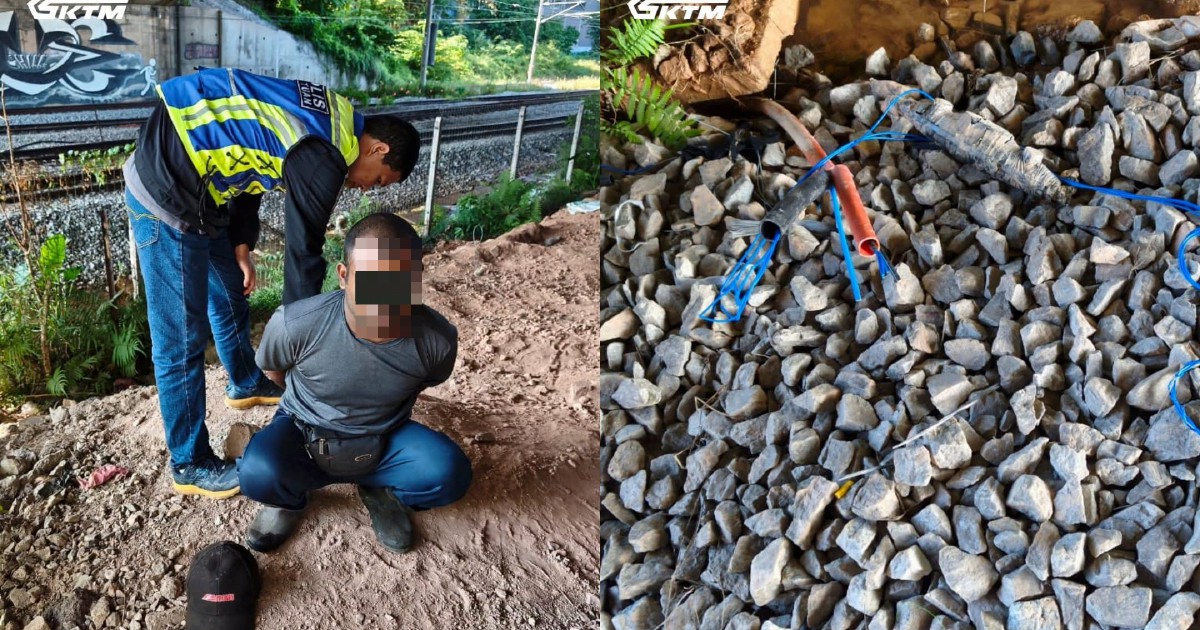
Keretapi Tanah Melayu Bhd (KTMB) auxiliary police have arrested two men caught in the act of attempting to steal railway cables in Shah Alam. The incident underscores the continuing threat of infrastructure theft that has plagued Malaysia's rail network, posing both operational risks and safety concerns for commuters and railway staff.
Railway cable theft represents a significant challenge for KTMB's security apparatus. Copper and other valuable metals extracted from railway infrastructure command ready prices in scrap markets, creating strong financial incentives for organised and opportunistic theft. The materials are essential to train operations, telecommunications systems, and electrical supply networks. When cables are removed, they can disrupt critical services, delay train schedules, and compromise the safety mechanisms that protect passengers and workers along the tracks.
The Shah Alam apprehension demonstrates that KTMB's auxiliary police force remains actively engaged in deterring theft across its network. The railway operator maintains security personnel stationed at key locations and conducts regular patrols to identify suspicious activity. However, the continued occurrence of such incidents suggests that thieves view the financial rewards as outweighing the risks of detection and prosecution.
For Malaysian commuters and businesses dependent on reliable rail transport, such thefts translate into real disruption. Any compromise to cable systems can trigger service interruptions, affecting thousands who use KTMB's Komuter and intercity train services daily. The Klang Valley area, where Shah Alam is located, represents one of Malaysia's busiest commuter corridors, making security particularly critical during peak travel periods.
The broader scrap metal trade has long intersected with railway theft across Southeast Asia and globally. Organised networks operate with sophisticated logistics, sometimes targeting specific high-value materials and selling them through established buyers who may or may not verify the legitimacy of their sources. The two arrested individuals may form part of a larger operation or act independently, a distinction that law enforcement investigations will seek to establish.
From a security perspective, the incident raises questions about surveillance and prevention capacity at vulnerable points in KTMB's network. The railway operator operates thousands of kilometres of tracks, stations, and maintenance facilities, creating numerous potential target areas. Allocating sufficient security resources while managing operational costs remains an ongoing tension for the state-owned enterprise, particularly as ridership pressures increase following economic growth.
Malaysia's experience mirrors challenges faced by rail operators throughout the region. Indonesia's KAI, Thailand's State Railway, and other operators have similarly reported cable theft, leading many to invest in enhanced security measures, including improved fencing, surveillance systems, and coordination with local law enforcement. Some operators have experimented with less-valuable cable materials or protective coverings, though such measures require significant capital investment.
The legal consequences for those convicted of railway infrastructure theft in Malaysia can be substantial, involving lengthy prison sentences under relevant statutes. Beyond individual penalties, theft convictions carry implications for national security infrastructure. Railway networks support not only passenger transport but also freight logistics, emergency response operations, and broader economic connectivity. Protecting these assets from organised crime is therefore a matter extending beyond KTMB's immediate commercial interests.
Looking forward, this latest arrest illustrates the ongoing cat-and-mouse dynamic between security forces and those seeking to exploit railway assets for quick financial gain. KTMB continues to refine its approach to infrastructure protection, though long-term solutions require coordinated action involving railway management, law enforcement agencies, community policing initiatives, and potentially technological innovations in monitoring and prevention.
The detention of these two individuals serves as a reminder of the persistent vulnerability of Malaysia's rail infrastructure to theft. As the rail operator expands services and modernises facilities to meet growing commuter demand, maintaining the security of critical assets remains equally important to capital investment and operational improvement. The broader challenge extends beyond individual arrests to systemic approaches that make theft significantly less viable as a criminal venture.

