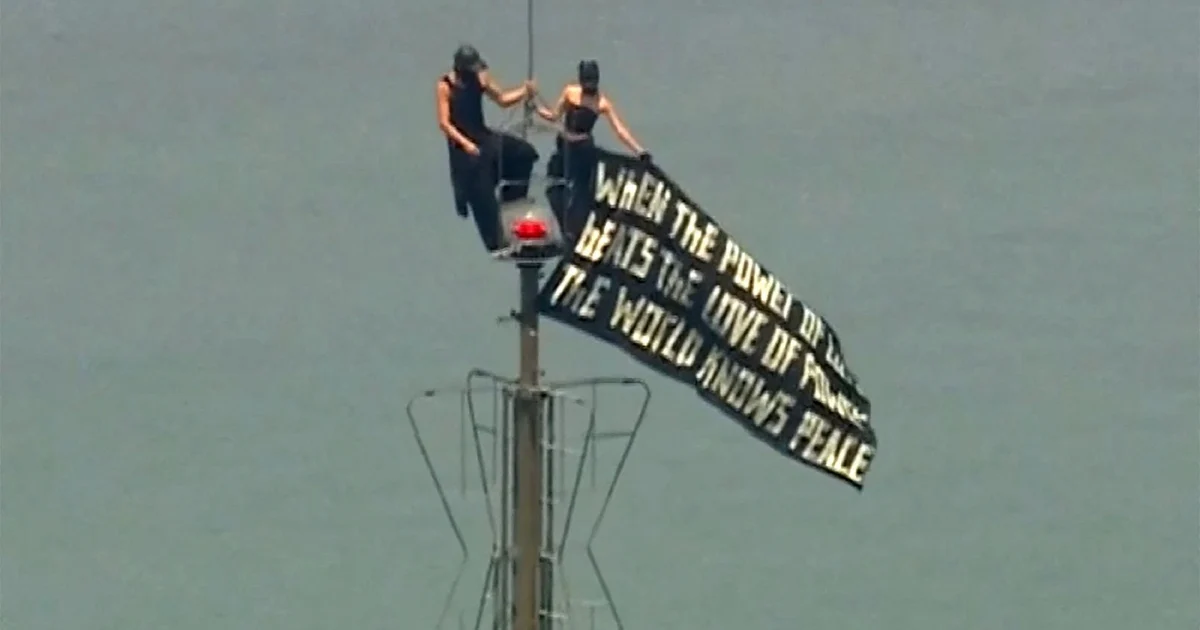
An unusual combination of romance and recklessness unfolded in midtown Manhattan on Wednesday when two individuals made an unauthorized ascent of the Empire State Building's antenna structure, culminating in their arrest by New York authorities. The dramatic incident appears to have been motivated by a marriage proposal—a deeply personal moment that instead became a public spectacle and legal matter, raising questions about security protocols at one of America's most recognizable landmarks.
The Empire State Building stands as an enduring symbol of New York City's architectural ambition and global prominence. Completed in 1931, the 102-storey art deco skyscraper has served as a backdrop for countless cinematic moments and tourist pilgrimages. Yet beneath its romance and cultural significance lies a heavily monitored venue where security measures are strictly enforced. The antenna structure that the pair climbed sits far above the observation decks accessible to regular visitors, representing a highly restricted zone that is off-limits to the public and carefully guarded.
The fact that the couple managed to breach security barriers and reach the antenna indicates either significant determination or a gap in the building's protective systems. Such incidents are rare at major Manhattan landmarks, where surveillance technology and security personnel are typically present around the clock. The successful unauthorized ascent raises important questions about vulnerability assessment and whether current protocols adequately prevent similar incidents in the future.
Proposals represent deeply significant personal milestones in relationships, and couples often seek dramatic or memorable locations to mark these moments. The Empire State Building, with its commanding views and historical prestige, would certainly qualify as an unforgettable setting. However, the location's prominence and strict access controls should have presented an obvious obstacle to any legitimate proposal attempt. The couple's decision to circumvent official channels and climb dangerous, prohibited areas demonstrates a troubling disregard for both personal safety and legal boundaries.
The arrest of both individuals reflects New York's approach to trespassing and unauthorized access at protected sites. Depending on the specific charges filed, they could face penalties ranging from misdemeanours to more serious offenses. Beyond the legal consequences, the incident raises concerns about what motivated their actions—whether adequate signage and warnings were visible, whether they understood the risks involved, and whether they had considered alternative ways to mark their engagement.
For visitors and locals familiar with the Empire State Building, such security breaches introduce anxiety about whether their visits remain safe and that the premises are properly protected. The building attracts millions of visitors annually and serves as a critical piece of New York's tourism infrastructure. Any incident suggesting security vulnerabilities could impact visitor confidence and the organization's operational reputation.
The incident also highlights a broader pattern of unauthorized climbs at high-profile buildings globally. From the Eiffel Tower to skyscrapers in Asia, daredevil stunts and proposal attempts have repeatedly tested the security systems at iconic structures. In most cases, authorities must balance responsiveness with the reality that prevention alone cannot guarantee absolute protection at open-access tourist attractions.
For Malaysian and regional readers, this incident offers perspective on how Western cities manage security at heritage and tourist sites. Southeast Asian landmarks face similar pressures to maintain accessibility for legitimate visitors while preventing unauthorized activity. The incident underscores why investment in security technology and trained personnel remains essential, even at well-established attractions.
The romantic motivation behind the climb, if confirmed, adds a complex emotional dimension to what is ultimately a law-breaking act. Many couples seeking to commemorate significant relationship milestones may feel tempted by dramatic gestures, but this incident demonstrates why working within established systems—requesting special permissions, booking private events, or selecting alternative iconic locations—represents a far more sensible approach.
Authorities' swift response and arrest of both individuals sends a clear signal that unauthorized access to restricted areas will not be tolerated, regardless of the motivation. This consistency in enforcement helps maintain deterrence and demonstrates commitment to safety protocols. The couple will now navigate legal proceedings while also processing what should have been a joyous personal occasion—a consequence entirely avoidable through lawful alternatives.
Looking ahead, the incident may prompt the Empire State Building's management to review security procedures, assess surveillance coverage around the antenna structure, and consider whether additional warnings or barriers might prevent similar unauthorized ascents. As one of New York's most visited tourist attractions and an architectural symbol recognized worldwide, maintaining its security while preserving its accessibility remains an ongoing operational challenge that this incident has now brought into sharper focus.

