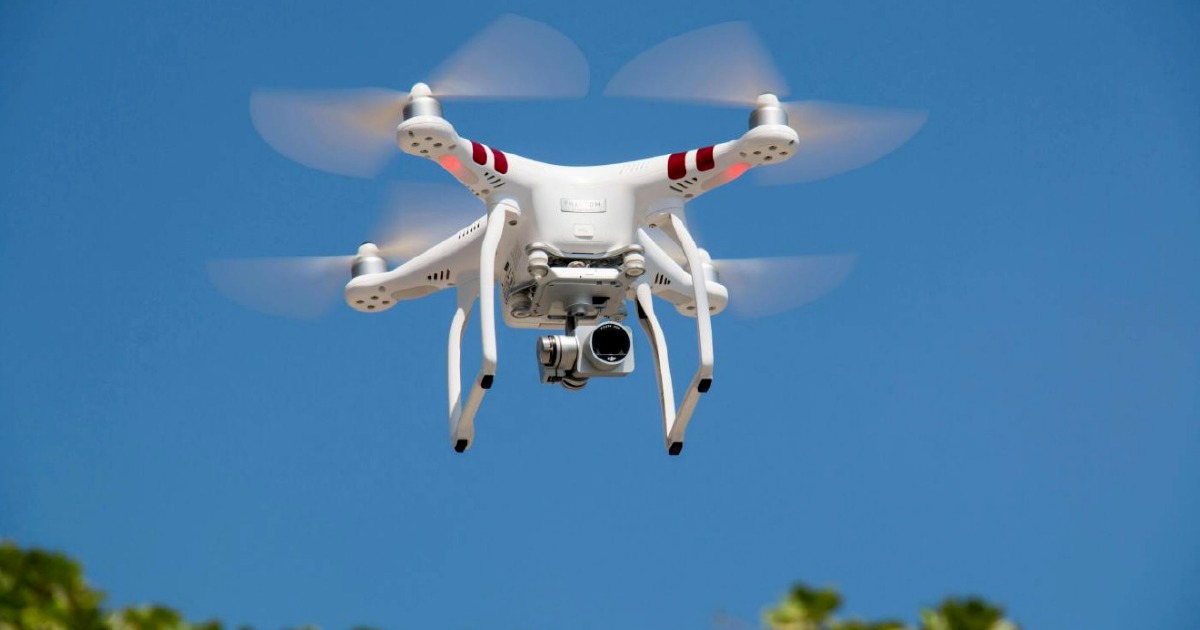
Police in Melaka have apprehended two suspects in connection with an audacious attempt to smuggle tobacco into Sungai Udang Prison using a drone. The operation, which came to light during a Wednesday raid conducted at a residential property in Taman Kris Satria within the same district, marks another chapter in the increasingly sophisticated methods criminals employ to circumvent prison security systems.
The use of unmanned aerial vehicles for contraband delivery represents a significant evolution in prison smuggling tactics. Over the past decade, correctional facilities across Southeast Asia have grappled with the emerging challenge of drone-based smuggling, which presents unique difficulties for traditional perimeter security measures. The technology allows operators to bypass physical barriers and staff surveillance, delivering prohibited items directly into prison grounds with minimal risk of detection at ground level. This case underscores the vulnerabilities that modern detention facilities face when confronted with civilian technologies that can operate beyond conventional security protocols.
The incident at Sungai Udang Prison specifically highlights how organised supply networks have adapted to reach incarcerated individuals. Tobacco products, while legal for general consumption, carry considerable value inside correctional institutions where their availability is restricted. The artificial scarcity creates powerful incentives for smuggling operations, transforming everyday commodities into premium contraband. Inmates often use tobacco for currency within the informal prison economy, or consume it themselves as a stress-relief mechanism, making it among the most consistently targeted items for illicit delivery.
Melaka's law enforcement response demonstrates the state police department's commitment to combating prison-related smuggling operations. The successful intelligence gathering that led to the raid suggests collaboration between correctional authorities and civilian law enforcement, a crucial coordination mechanism for disrupting supply chains before contraband reaches prison staff or inmates. Such joint operations require sharing of information between institutions that don't always prioritise integrated security approaches, making successful raids particularly noteworthy from an operational standpoint.
The geographical context of this case merits consideration. Sungai Udang Prison sits within Melaka's Sungai Udang area, a region with established smuggling networks and complex socioeconomic demographics. The proximity of the raided residence in Taman Kris Satria to the detention facility suggests the operation was locally coordinated, with handlers positioned close enough to maintain visual control or remote monitoring of the drone's flight path. This proximity factor helps law enforcement services understand the operational geography of smuggling networks and identify locations where surveillance or enhanced monitoring might prove particularly valuable.
From a broader criminal investigation perspective, the apprehension of two individuals raises questions about the wider network supporting such operations. Drone-based smuggling typically requires multiple participants: those who procure the device and cargo, operators with technical proficiency, individuals who coordinate timing and security vulnerabilities, and those who collect contraband upon delivery. The arrest of two suspects suggests authorities may continue investigating upstream and downstream connections throughout the supply chain.
The incident also reflects Malaysia's ongoing struggle with prison security management. Correctional facilities across the country have reported instances of contraband intrusion through various methods, from traditional ground-level smuggling by visitors and staff to increasingly creative approaches. The Ministry of Home Affairs and prison authorities have acknowledged these challenges while implementing enhanced screening procedures and technological countermeasures, though drone-based delivery remains a persistent headache for security planners who must balance legitimate air operations in surrounding areas with heightened vigilance for illicit unmanned aircraft.
Technologically, the incident raises important questions about prison infrastructure modernisation. Many Southeast Asian detention facilities, including older institutions in Malaysia, lack sophisticated detection systems capable of identifying and neutralising aerial threats. Counter-drone technology remains expensive and complex to operate, requiring specialised training and ongoing investment. Budget constraints often force correctional administrators to prioritise other security needs, leaving facilities vulnerable to creative new methods of contraband delivery that exploit technological gaps.
The case also illuminates the economic dimensions of prison smuggling. Contraband values inflate dramatically once inside correctional facilities due to artificial scarcity and restricted supply. Tobacco smugglers operate within a profitable market where the risks of law enforcement intervention must be weighed against potential earnings from successful deliveries. For many operatives, the relatively low probability of detection against the high returns makes drone delivery appear as an attractive risk-benefit calculation, at least until law enforcement adapts its countermeasures.
Looking forward, this case will likely influence how Malaysian prisons approach perimeter security. Authorities may expedite installation of drone detection systems, implement protocols for identifying suspicious aerial activity, and enhance coordination between prison security and local police departments. International cooperation with regional correctional authorities also becomes increasingly valuable, as smuggling networks may exploit regulatory differences or technology gaps between jurisdictions.
The broader implications extend to prison management philosophy in Malaysia. As contraband delivery methods become more sophisticated, correctional administrators face mounting pressure to maintain security without compromising humane conditions or unduly restricting legitimate activities. The balance between rehabilitation-focused corrections and fortress-style security grows increasingly difficult to maintain, particularly as criminal networks demonstrate remarkable adaptability in finding new delivery methods.

