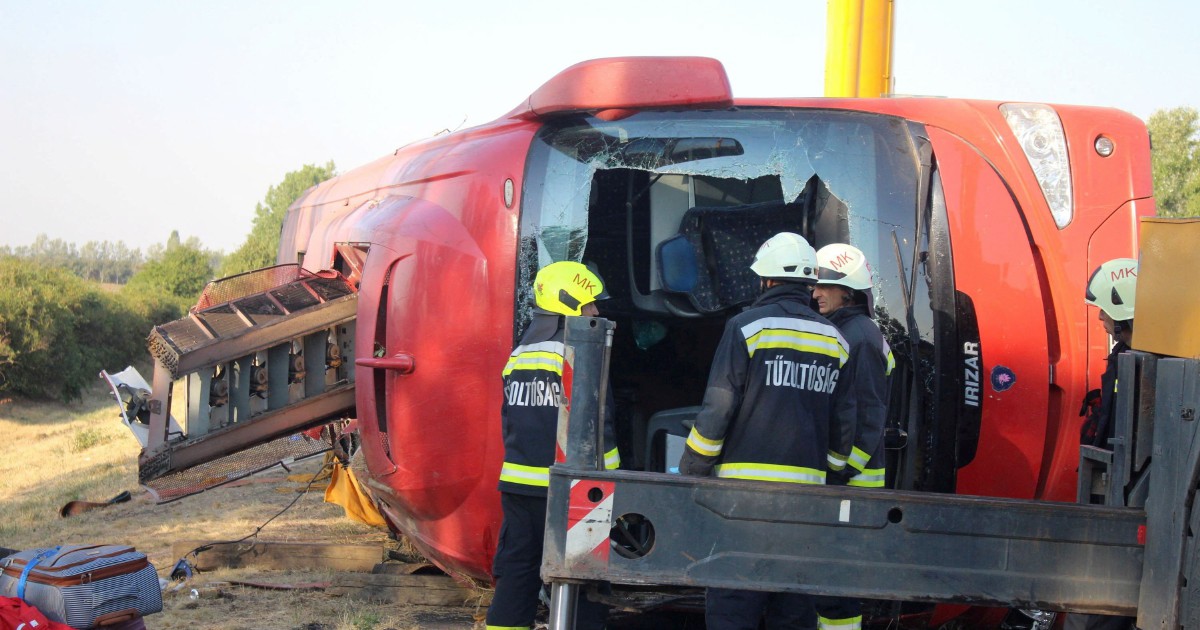
Tragedy struck on a Hungarian motorway in the early hours of Sunday when a Polish coach bus veered off the road and overturned, claiming the lives of 12 passengers and leaving a further 10 with severe injuries. The accident, confirmed by Hungarian Prime Minister Peter Magyar and other officials, represents a significant loss of life and raises immediate questions about the safety conditions and circumstances that led to the vehicle's loss of control.
The incident occurred during what would typically be the quiet overnight hours on the highway, when traffic volumes are reduced but vehicle speeds can remain elevated. The specific location and the precise timing of the crash suggest that visibility or driver fatigue may have played contributing factors, though investigators have yet to establish a definitive cause. The overturning of a full-sized coach bus is a particularly catastrophic event, as the vehicle's height and weight distribution make occupants especially vulnerable to serious injury when the vehicle tips onto its side or roof.
Response teams moved swiftly to the scene following notification of the accident. Emergency personnel conducted extensive rescue operations to extricate survivors from the wreckage and provide urgent medical care to the injured. The coordination between Hungarian emergency services and support from neighbouring authorities underscores the regional protocols in place for handling major transport incidents that cross borders. Many of the survivors required immediate evacuation to hospitals for treatment of their injuries.
The significance of this incident extends beyond the immediate tragedy to encompass broader questions about the safety of long-distance coach travel across Europe. Polish and Hungarian authorities will undoubtedly conduct thorough investigations into whether mechanical failure, road conditions, weather, or human error contributed to the accident. Such investigations typically examine vehicle maintenance records, driver logs, road surface conditions, and weather data from the period surrounding the crash.
For Malaysian readers and the Southeast Asian region, this European accident provides a sobering reminder of the risks inherent in long-distance bus travel, regardless of the level of economic development of the countries involved. Coach travel remains a popular and affordable option across Malaysia, Thailand, Vietnam, and other regional nations, transporting millions of passengers annually on overnight routes. The standards of vehicle maintenance, driver training, and regulatory oversight vary significantly across these markets, and incidents elsewhere often prompt domestic safety reviews.
The bus involved in the Hungarian crash was operating on a route that likely served Eastern European markets, where coach services connect major cities and towns across Poland, Hungary, and neighbouring countries. Such services operate under European Union safety regulations, which theoretically ensure higher standards than many routes operating in Southeast Asia. However, accidents continue to occur even in highly regulated environments, suggesting that mechanical and human factors remain persistent challenges regardless of regulatory frameworks.
The immediate aftermath of such incidents typically involves formal accident investigation by transportation authorities, examination of the vehicle's condition and maintenance history, and scrutiny of the driver's qualifications and working hours. European Union regulations impose strict limits on driving hours to combat fatigue-related accidents, yet violations still occur. The investigation in this case will determine whether all regulatory requirements were met or whether deviations may have contributed to the tragedy.
For families affected by this disaster, the consequences are profound and long-lasting. Many coach passengers are ordinary travellers seeking affordable transport options, and entire families are often aboard such vehicles. The psychological and emotional impact on survivors, combined with the grief of those who lost loved ones, will ripple through Polish and Hungarian communities for years to come.
This tragedy also underscores the importance of vehicle safety features in commercial transport. Modern coach buses incorporate various safety technologies including electronic stability control, collision avoidance systems, and advanced braking systems, yet fundamental physics means that large vehicles travelling at highway speeds remain inherently dangerous in certain scenarios. The specific circumstances of Sunday's accident—whether the vehicle struck an obstacle, was struck by another vehicle, or simply lost control—will significantly influence understanding of how such tragedies might be prevented in future.
Regional transport authorities across Southeast Asia often reference European accident reports when establishing or revising their own safety standards. The professional transport associations and insurance bodies that operate coach services in Malaysia, Thailand, and neighbouring countries monitor international incidents closely. This Hungarian accident, like similar incidents elsewhere, will likely prompt discussions among Malaysian operators regarding vehicle maintenance schedules, driver training protocols, and route-specific hazard assessments.
The investigation into this incident will take weeks or months to complete, with detailed technical analysis required to reconstruct the sequence of events leading to the overturn. Regulatory bodies in both Poland and Hungary will coordinate the investigation, examining whether any systemic safety failures contributed to the disaster. Such investigations, while providing little comfort to the bereaved, serve an essential function in identifying preventative measures that might protect future travellers.

