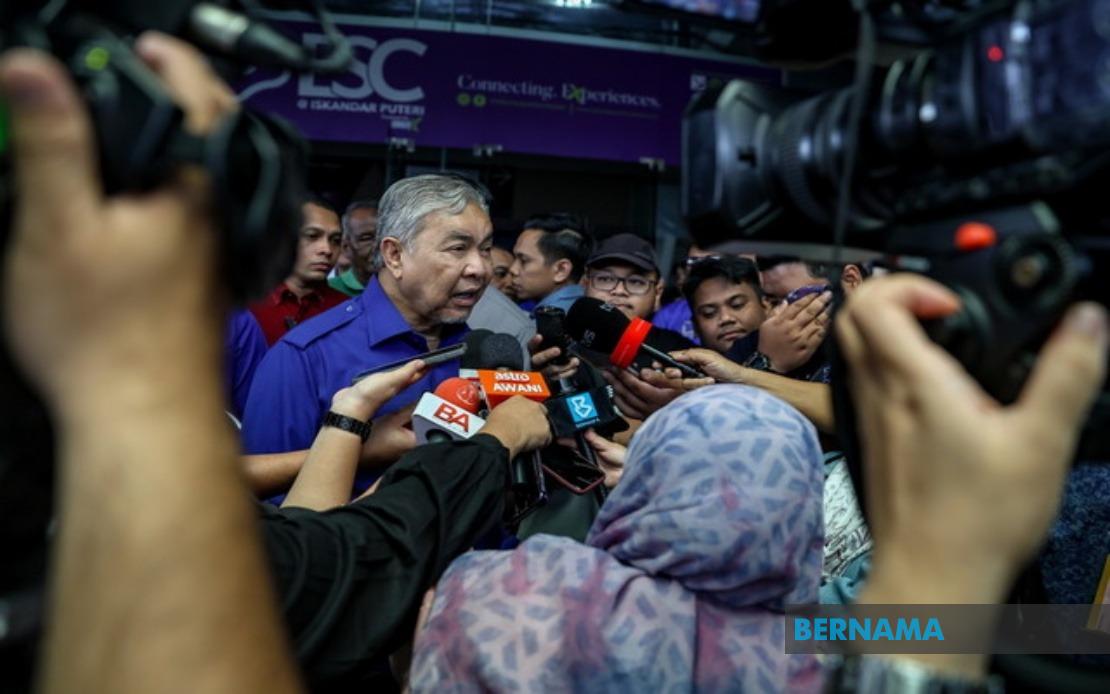
Malaysia is moving toward a significant restructuring of its technical and vocational education framework, with Deputy Prime Minister Datuk Seri Dr Ahmad Zahid Hamidi confirming that the new Technical and Vocational Education and Training Commission will be formally established and its enabling legislation tabled in Parliament before 2024 concludes. The announcement, made during an event in Iskandar Puteri, signals the government's commitment to modernising how Malaysia manages and implements its TVET initiatives at the national level.
The proposed TVET Commission will supersede the existing National TVET Council, representing a structural evolution in how the country coordinates vocational training across sectors and states. Ahmad Zahid, who chairs the current National TVET Council in addition to his role as Rural and Regional Development Minister, explained that this institutional change reflects international best practices observed in developed economies that operate dedicated commissions for technical education. The shift underscores recognition that Malaysia's TVET system requires more robust governance and execution capacity as the nation seeks to produce skilled workers aligned with industry demands and global competitiveness standards.
The implementation timeline remains contingent on completing extensive consultations with stakeholders across the TVET ecosystem. These engagement sessions, which are currently underway, encompass representatives from educational institutions, industry bodies, employers, and relevant government agencies. The Deputy Prime Minister indicated that once these consultations conclude, the government will advance a Cabinet paper for formal approval, a step that technically follows preliminary policy endorsement already secured. However, the pathway to parliamentary scrutiny involves additional procedural layers: separate approvals must be obtained before the legislation can be tabled in both the Dewan Rakyat and Dewan Negara, a process Ahmad Zahid characterised as requiring careful legal review given the institutional and jurisdictional complexities involved.
What distinguishes the commission model from the existing council structure is its expanded mandate. Rather than limiting its purview to policy formulation and strategic direction-setting, the new commission will assume direct responsibility for implementing and enforcing the policies it develops. This integrated approach mirrors institutional designs in developed nations where vocational education bodies combine regulatory authority with operational oversight. For Malaysia, this represents a meaningful departure from the current framework, potentially enabling swifter policy execution and more consistent standards across TVET providers nationwide, a concern frequently raised by industry stakeholders seeking greater alignment between educational outputs and employer requirements.
The timing of this institutional reform coincides with broader Malaysian efforts to strengthen workforce development amid shifting economic demands. The country faces persistent skills gaps in manufacturing, construction, hospitality, and emerging green technology sectors, challenges that a more agile TVET commission could help address through faster policy adaptation and implementation. Furthermore, as Malaysia competes regionally for foreign direct investment and technical talent, demonstrating robust, internationally-aligned vocational education infrastructure carries strategic significance for attracting multinational enterprises and retaining domestic workforce competitiveness.
During the same event, Ahmad Zahid offered observations on the electoral implications of Malaysia's Undi18 policy, which lowered voting age to eighteen. In Johor specifically, voters aged forty and below—encompassing the newly enfranchised eighteen-year-olds—constitute approximately 52 per cent of the state's electorate, a demographic weight that significantly influences political calculations and campaign strategies. This demographic shift has prompted political parties to invest more heavily in messaging tailored to younger voters, whose priorities span education access, employment prospects, environmental concerns, and fiscal responsibility.
The Deputy Prime Minister's remarks linking younger voters to Menteri Besar Datuk Onn Hafiz Ghazi reflected Barisan Nasional's strategic positioning ahead of potential state elections. Ahmad Zahid, in his capacity as BN chairman, articulated confidence that the younger generation maintains strong affinity with the current Johor leadership and suggested that younger voters' preferences favour continuity in state administration. His invocation of the palace's role in confirming leadership succession follows constitutional conventions governing Malay-ruled states, where the Sultan retains formal authority over menteri besar appointments and tenure. The statement essentially signalled BN's intention to mobilise younger voters behind existing state leadership, acknowledging that demographic shifts require tailored political engagement.
For Malaysia's education and skills development agenda, the TVET Commission establishment represents tangible institutional progress toward addressing persistent workforce gaps. The vocational education sector has historically received less investment and prestige than academic pathways, contributing to skills shortages in technical trades essential to construction, manufacturing, and infrastructure sectors. A more empowered commission with implementation authority could potentially reverse that trajectory by ensuring TVET policies translate into demonstrable improvements in graduate employability, curriculum relevance, and industry partnerships.
The consultation process underway will likely highlight tensions between standardisation and flexibility, between national frameworks and state-level autonomy, and between immediate employer needs and longer-term workforce development goals. Stakeholder engagement on these dimensions is crucial: educational institutions need clarity on funding and curriculum autonomy; employers require assurance that graduates possess relevant skills; and government agencies must coordinate across portfolios ranging from education and skills to industry development and regional economic planning. How the commission addresses these competing interests will substantially determine whether it becomes a genuine catalyst for TVET sector strengthening or merely a renamed bureaucratic entity.
Looking forward, the parliamentary tabling of enabling legislation will provide an opportunity for legislative scrutiny of the commission's proposed powers, governance structure, and resource allocation. The Dewan Rakyat and Dewan Negara will likely examine whether the commission's expanded implementation mandate is matched by adequate funding, whether its composition adequately represents stakeholder interests, and whether mechanisms exist for oversight and accountability. These legislative deliberations will shape not just the commission's formal architecture but also its practical capacity to drive measurable improvements in Malaysia's TVET outcomes and contribution to broader economic development objectives.

