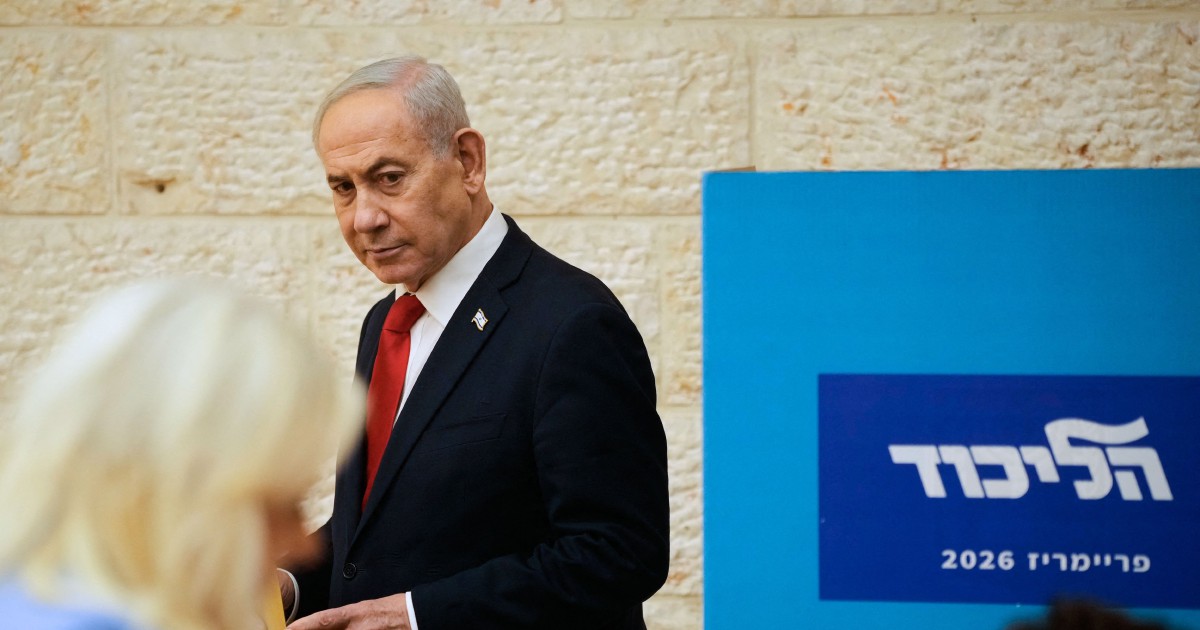
Turkey has escalated diplomatic tensions with Israel by issuing an international arrest warrant targeting Prime Minister Benjamin Netanyahu, according to an announcement by Justice Minister Akin Gurlek on Friday. The warrant stems from an ongoing investigation into Israel's military operation that resulted in the seizure of a humanitarian aid convoy intended for Palestinian populations in Gaza. This action represents a significant diplomatic manoeuvre by Ankara, reflecting deepening friction between the two Middle Eastern nations over Israel's handling of the Gaza conflict and related maritime operations.
The arrest warrant centres on Israel's interception of an aid flotilla, an incident that has become a focal point of Turkish criticism against Israeli military actions in the region. Turkey, which maintains strategic importance as a NATO member state, has been increasingly vocal in its condemnation of Israeli operations affecting civilian populations and humanitarian operations. The Justice Minister's public announcement via social media underscores the seriousness with which Turkish authorities are treating the matter, signalling that the case extends beyond routine diplomatic protests.
The flotilla interception incident carries historical resonance in Turkish-Israeli relations, evoking comparisons to previous maritime confrontations that have strained bilateral ties. Turkey's decision to pursue an international arrest warrant demonstrates Ankara's commitment to pursuing accountability through legal mechanisms, even as practical enforcement would depend on Netanyahu's travel to countries that recognise Turkish judicial jurisdiction and maintain extradition treaties. This approach combines symbolic political messaging with formal legal proceedings, sending a clear signal to both domestic and international audiences about Turkey's position.
For Malaysia and other Southeast Asian nations, this development carries broader implications regarding regional governance of international waters and the treatment of humanitarian operations. Malaysia, as a significant regional voice and a country with its own shipping interests, may find relevance in Turkey's assertion of legal mechanisms to challenge what Ankara characterises as unlawful seizure of civilian vessels. The episode underscores ongoing tensions around the definition and enforcement of maritime law in international waters, an issue of concern to island nations and maritime trading hubs across the region.
Israel's interception of aid convoys has been a persistent point of contention with multiple international actors, including humanitarian organisations and various governments. Turkey's formal legal action represents one of the most direct governmental responses to such operations, moving beyond diplomatic statements into the realm of international criminal accountability. The Justice Minister's involvement and public announcement suggests this action has received high-level approval within the Turkish government, indicating a sustained policy position rather than an isolated incident.
The ramifications of this arrest warrant extend beyond bilateral Turkish-Israeli relations. International legal systems and extradition frameworks now contain an active warrant that could theoretically apply when Netanyahu travels internationally, particularly to countries aligned with Turkey or maintaining diplomatic reciprocity. However, enforcement would face significant practical obstacles given Israel's diplomatic protections and the complexity of international legal cooperation on politically sensitive matters. Nevertheless, the warrant establishes a formal record within Turkish judicial systems and contributes to ongoing legal proceedings regarding accountability.
The timing and manner of the announcement reflect Turkey's broader strategy of maintaining pressure on Israel while engaging multiple tools of statecraft. By choosing to publicise the warrant through Justice Minister Gurlek rather than through lower-level officials, Turkish authorities emphasised the governmental nature of the action. This visibility serves domestic constituencies in Turkey where public sentiment regarding Gaza has been particularly strong, while simultaneously registering Turkey's position within international legal forums.
The Gaza conflict has significantly influenced Turkish foreign policy and public discourse in recent years. Turkey's prominent Muslim population and historical role as a regional power have combined to make Gaza-related issues particularly salient in domestic politics. The flotilla incident, in particular, resonates with Turkish historical memory and national identity, making it a politically charged issue that transcends ordinary diplomatic disagreements. The government's legal action taps into these deeper currents of public concern.
For Malaysia's policymakers and citizens monitoring developments in the Middle East, this episode illustrates how international humanitarian law and maritime sovereignty intersect in contemporary geopolitical conflicts. The case raises questions about the legitimacy of naval interception operations and the appropriate legal mechanisms for challenging such actions. Malaysia, having engaged with similar questions regarding regional security and maritime operations, may find instructive elements in how Turkey is attempting to employ international legal systems to constrain state behaviour in militarised regions.
Looking forward, the arrest warrant introduces an additional complication to any potential normalisation efforts between Turkey and Israel. The existence of formal criminal charges makes subsequent diplomatic engagement more complicated, as any reconciliation would require resolution of the underlying legal proceedings. This structural impediment to bilateral relations may persist regardless of broader Middle Eastern political developments, creating a separate track of Turkish-Israeli friction that operates independently from conventional diplomatic negotiations.
The international community's response to Turkey's action will likely reflect broader positions on the Gaza conflict and accountability mechanisms for military operations. Countries sympathetic to Palestinian causes may view the warrant as an overdue accountability measure, while others may question the effectiveness and appropriateness of pursuing arrests through international channels. This divergence of views itself becomes part of the geopolitical landscape, with different nations and legal jurisdictions navigating competing claims about justice, sovereignty, and international law.

