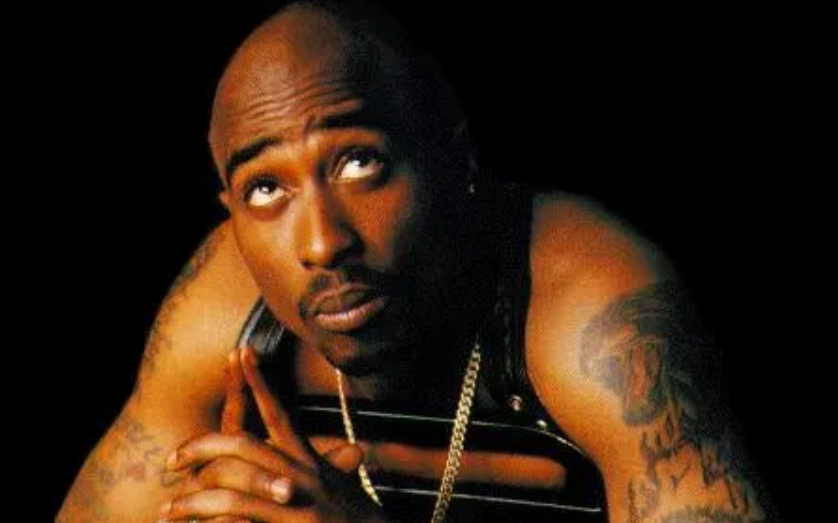
After 30 years of speculation, unanswered questions, and cultural mythology, the trial examining the death of Tupac Shakur commenced on Monday with jury selection. The proceedings against Duane "Keffe D" Davis, a 63-year-old former leader of the South Side Compton Crips gang, represent a watershed moment for one of America's most notorious unsolved murders. Prosecutors contend that Davis orchestrated the fatal drive-by shooting that killed the California hip-hop legend on September 7, 1996, in Las Vegas and supplied the weapon used in the attack. The trial, expected to consume approximately one month of court time, addresses a crime that has captivated popular imagination and fuelled decades of discussion within music communities worldwide.
The killing of Tupac Shakur, the 25-year-old artist also known as 2Pac, occurred during one of hip-hop's most turbulent periods—a coast-to-coast rivalry that fractured the music industry along geographic lines. Death Row Records, the Los Angeles-based powerhouse founded by Marion "Suge" Knight, directly opposed Bad Boy Records on the East Coast, a label established by Sean "Diddy" Combs and home to Christopher "The Notorious B.I.G." Wallace, who himself was murdered just months later in March 1997. This broader context of hip-hop's East Coast versus West Coast conflict provides essential understanding of the environment in which Shakur's death occurred. The war between these two commercial juggernauts extended beyond music into street-level gang affiliations, with Death Row backed by the Mob Piru gang—part of the Los Angeles Bloods network—while Bad Boy Records had reportedly engaged rival Crips members as security personnel.
According to prosecution theory, the sequence of events leading to the shooting began at the MGM Grand casino following a Mike Tyson boxing match. Following an alleged assault on a Death Row Records employee by one of Bad Boy's associates, Shakur and Knight confronted Orlando "Baby Lane" Anderson, Davis's nephew and a Crips member, in the casino. The physical altercation represented a profound disrespect to Davis and his gang, prosecutors argue, establishing both motive and opportunity for retaliation. Later the same evening, a white Cadillac containing Davis, Anderson, and other passengers pulled alongside Shakur's vehicle on a Las Vegas street. Gunfire erupted from the Cadillac toward Shakur's car, fatally wounding the rapper. The attack exemplified the sudden, brutal violence that had become associated with gang disputes during the early-to-mid 1990s.
What makes this prosecution particularly unusual is its origin not in traditional investigative breakthroughs but in Davis's own published memoir. In 2019, Davis released a book in which he detailed being present in the Cadillac and handing a pistol to occupants in the rear seat, thereby confirming his involvement in the immediate circumstances surrounding the murder. These admissions, published by Davis himself and distributed commercially, proved far more consequential than he apparently anticipated. The decision to publish such revelations represented a curious choice for someone potentially implicated in a high-profile crime, yet the commercial motivation—attracting readers and generating income—may have overridden caution. The memoir's publication effectively reinvigorated a dormant investigation that had stalled for decades due to insufficient evidence and witnesses unwilling to cooperate with authorities.
Arrest and prosecution came swiftly after the memoir's emergence. In September 2023, Davis was apprehended and charged in connection with Shakur's death. Yet Davis's strategy shifted dramatically upon facing serious legal jeopardy. He abandoned his previous positions entirely, pleading not guilty and claiming complete innocence. In a March 2025 interview conducted from prison with ABC News, Davis insisted: "I'm innocent. I ain't killed nobody. Never did ever kill nobody." He further asserted that authorities possessed no tangible evidence placing him in Las Vegas on the night in question. Regarding his memoir, Davis now contends that his co-author substantially embellished his recollections and pursued independent research without his authorization, thereby creating a misleading narrative intended solely to boost book sales. This complete reversal positions the memoir itself as a key piece of trial evidence, as Davis's lawyers had attempted unsuccessfully to prevent its introduction into proceedings.
The trial additionally presents complex evidentiary challenges stemming from Davis's 2008 interview with police, conducted when he was initially questioned as a potential witness to the killing. Those earlier statements, given when Davis may have felt more forthcoming or less legally threatened, now conflict sharply with his current denials. The prosecution will likely use this prior interview to establish inconsistencies and undermine credibility. Complicating matters further, nearly everyone else who occupied the Cadillac during the shooting has since died, eliminating potential corroborating or contradicting witnesses who might clarify the actual sequence of events. The absence of living witnesses who were present at the moment of the shooting represents a substantial obstacle to establishing beyond reasonable doubt who actually pulled the trigger, even if Davis's presence and involvement in planning are demonstrated.
Davis currently faces a potential sentence of life imprisonment without possibility of parole should conviction occur. The magnitude of this penalty underscores the severity of orchestrating a murder versus merely being present or peripherally involved in events. At 63 years old, a life sentence would effectively constitute a death sentence through incarceration. This reality may explain Davis's complete tactical reversal, as the stakes have elevated from being a secondary figure in historical events to facing decades in prison. The trial will likely reveal tensions between the memoir evidence, the 2008 police statement, and Davis's current denials, forcing a jury to evaluate which version of events appears most credible and consistent with available physical evidence.
Beyond the criminal proceedings, the Shakur family continues pursuing accountability through civil litigation. In May, Maurice Shakur, the rapper's stepbrother, filed a wrongful death lawsuit in civilian court, emphasizing that multiple individuals involved in the murder have evaded legal responsibility for 30 years. The civil suit references documentary evidence released recently that potentially implicates others who have never faced criminal charges. This dual-track approach—pursuing both criminal prosecution of Davis and civil liability against potentially broader networks of individuals—reflects the family's determination to obtain some measure of justice even if the criminal case does not fully resolve the mystery of who fired the fatal shots.
The trial's opening represents a cultural moment extending well beyond legal proceedings. For Malaysian and Southeast Asian music enthusiasts who grew up during hip-hop's golden age, Tupac Shakur's death symbolized the genre's intersection with street violence and the tragic consequences of gang-related conflict. His artistic influence transcended geography; his messages about social inequality and systemic oppression resonated internationally. The delayed accountability—three decades after his murder—raises uncomfortable questions about investigative resources, witness cooperation, and the broader challenge of resolving crimes within insular communities reluctant to engage law enforcement. Whether the trial definitively establishes Davis's culpability or merely deepens questions about the circumstances remains uncertain as proceedings commence.

