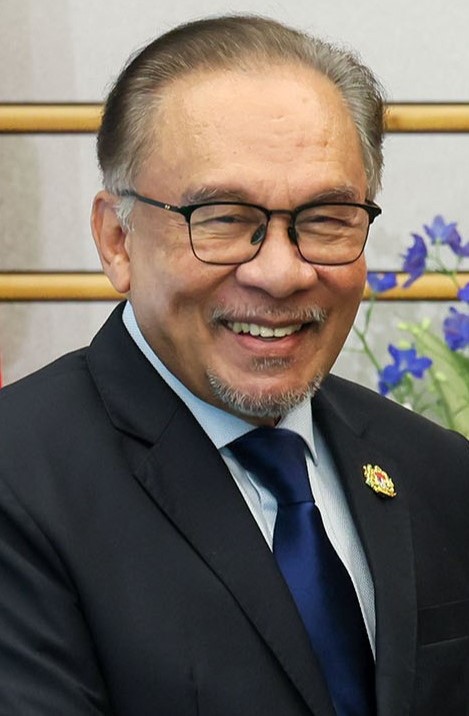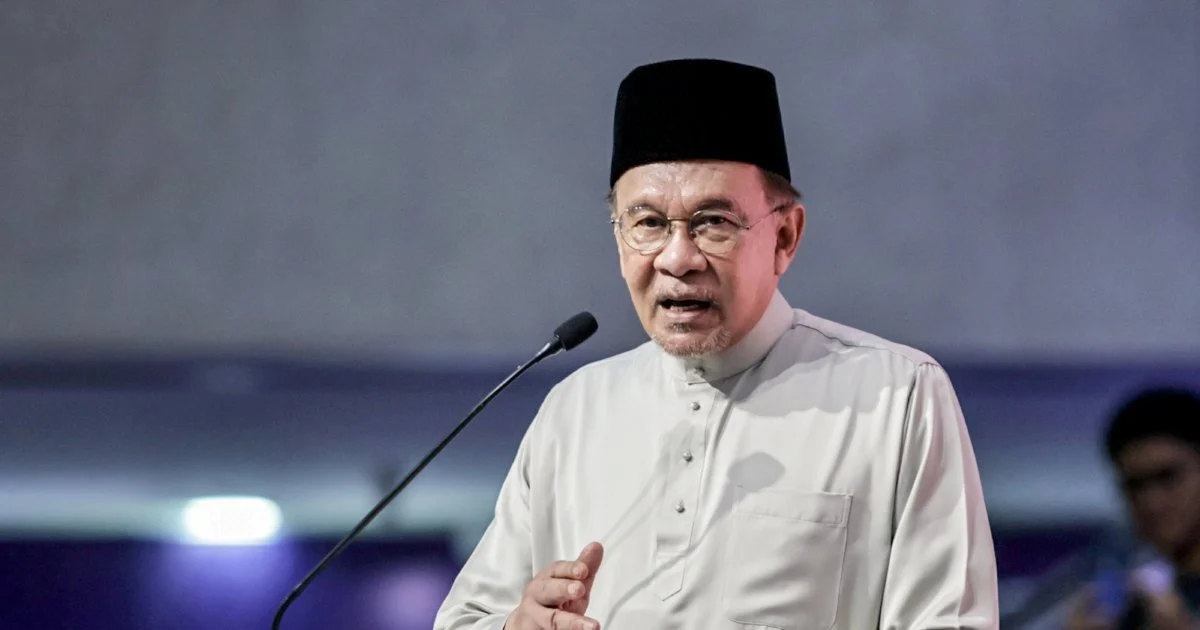
The Tunku Mahkota of Johor, Tunku Ismail Sultan Ibrahim, extended an audience to Prime Minister Datuk Seri Anwar Ibrahim during a gathering held in Kuala Lumpur, with both officials describing the interaction as cordial and harmonious in nature.
The meeting represents a significant moment of engagement between the federal government and the Johor state administration, two power centres that carry considerable weight in Malaysia's political landscape. Such audiences between the heir to the Johor throne and the nation's prime minister carry symbolic importance, often signalling the state of relations between federal and state-level governance structures at a time when coordinated policymaking across such boundaries remains crucial to national stability.
Tunku Ismail Sultan Ibrahim holds the title of Tunku Mahkota of Johor, a position that places him in the direct line of succession to one of Malaysia's oldest and most historically significant sultanates. The state of Johor, located at the southern tip of peninsular Malaysia, commands strategic and economic importance, hosting major industrial zones, ports, and serving as a gateway to Singapore. The convergence of state-level authority with federal executive power therefore carries implications that extend beyond ceremonial protocol into substantive governance matters affecting millions of Malaysians.
The characterisation of the meeting as cordial and harmonious carries practical significance in the Malaysian context. Royal audiences in Malaysia operate within a carefully calibrated framework of constitutional protocol and historical precedent. The tenor in which officials describe such encounters often communicates underlying political sentiment and the health of working relationships between major institutional players. A cordial atmosphere suggests absence of friction or outstanding disputes that might otherwise colour interactions at this level of government.
Prime Minister Datuk Seri Anwar Ibrahim's administration has maintained focus on rebuilding institutional trust and strengthening federal-state collaboration since taking office. Engagements such as this audience with the Tunku Mahkota represent opportunities to reinforce those commitments and coordinate on matters of mutual interest spanning economic development, infrastructure planning, and social policy implementation. Johor's prominence means that cooperation on these fronts directly influences outcomes for Malaysian citizens beyond state boundaries.
The Johor royal household wields considerable influence within Malaysia's constitutional monarchy framework. The state maintains historical autonomy in certain governance domains, including land administration and Islamic religious matters. Maintaining positive communication channels between royal authorities and the federal executive ensures that decisions affecting these domains proceed with mutual understanding and respect for constitutional arrangements that have underpinned Malaysian governance since independence.
From a regional perspective, Johor's relationship with both federal authorities and neighbouring Singapore adds another layer of complexity to state-federal dynamics. Economic corridors connecting Johor to Singapore require coordination across multiple governance levels. The harmonious nature of this audience may signal readiness to pursue collaborative frameworks that benefit from coordinated approaches to cross-border economic issues and infrastructure projects.
The meeting also occurs within Malaysia's broader political context, where maintaining unity across federal and state administrations remains an ongoing challenge. Various political coalitions operate at these different governance levels, and their capacity to work together despite potential partisan differences often determines the effectiveness of national policy implementation. An audience characterised as harmonious suggests pragmatic commitment to transcending such divisions when matters of state interest require cooperation.
Tunku Ismail Sultan Ibrahim has increasingly engaged in public affairs relating to Johor's development and governance, taking active interest in modernisation initiatives and economic diversification strategies. The audience with the prime minister may encompass discussions about federal-state partnerships on these development priorities, particularly as Malaysia navigates post-pandemic economic recovery and seeks to enhance competitiveness in an increasingly challenging regional landscape.
The venue of Kuala Lumpur, the federal capital, underscores the formal nature of the engagement. Rather than meeting at state level in Johor, the choice to hold the audience in the capital suggests a deliberate emphasis on federal-state relations at the highest tier. This diplomatic geography carries meaning in how the two parties wish to frame their interaction and what constituencies they wish to signal to regarding the state of their relationship.
Looking forward, the maintenance of such positive channels of communication between the Tunku Mahkota and the prime minister establishes foundations for addressing emerging challenges that may require coordinated responses. Whether spanning economic policy, disaster management, or other areas of mutual concern, the harmony evident in this audience suggests both parties recognise the value of maintaining collegial working relationships across Malaysia's multi-tiered governance structure.
The broader significance of this meeting extends to how Malaysia manages the delicate balance inherent in its federal system. The constitutional framework establishes clear divisions of power and authority between centre and state, yet effective governance invariably demands cooperation that transcends formal jurisdictional boundaries. That the Tunku Mahkota and the prime minister have demonstrated capacity for cordial engagement sends an important signal about institutional health and commitment to collaborative governance among Malaysia's senior leadership.