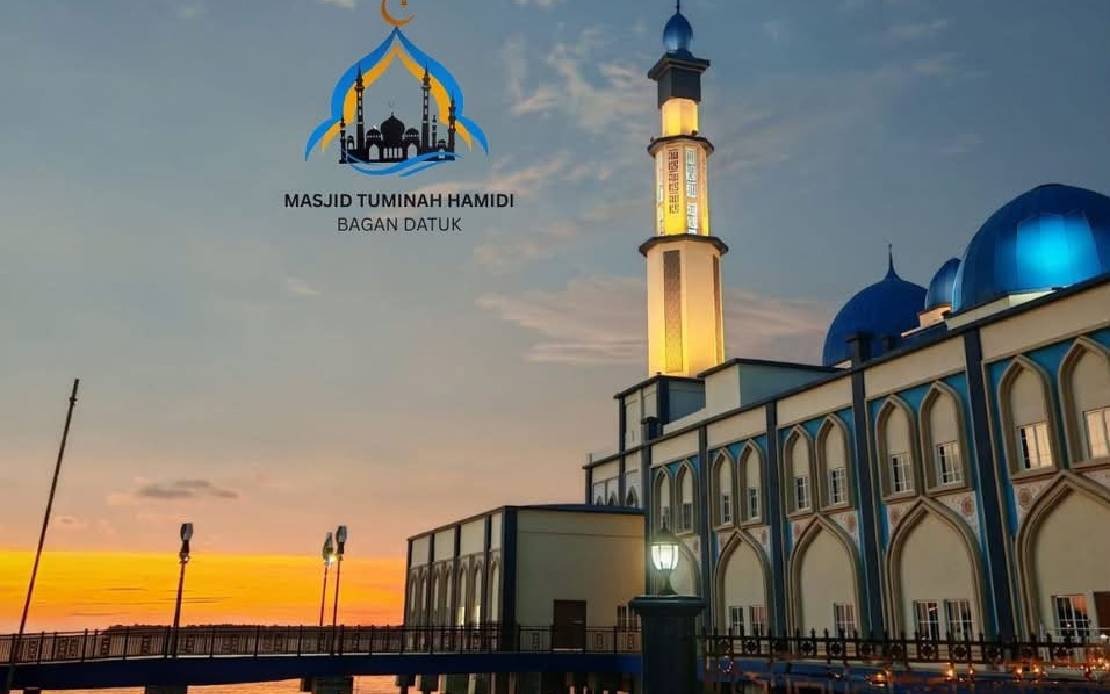
The Tuminah Hamidi Mosque in Bagan Datuk will become the centrepiece of a groundbreaking cultural initiative when Malaysia hosts its first-ever National Mosque Open Day from August 13 to 15. This inaugural three-day celebration represents a significant step in reimagining how faith-based institutions engage with the broader public, transforming one of Islam's most sacred spaces into a vibrant hub of intercommunal dialogue and shared experience. The event underscores Malaysia's strategic positioning as a Muslim-friendly tourism destination whilst simultaneously reinforcing the nation's commitment to religious harmony and inclusivity.
Organised by the Islamic Tourism Centre (ITC) under the Ministry of Tourism, Arts and Culture, the National Mosque Open Day departs from traditional mosque visitation models by explicitly framing these religious institutions as multifunctional community spaces. Rather than restricting access or limiting engagement to ritual purposes, the initiative acknowledges that mosques historically served as gathering places for education, social connection, and civic participation. This reorientation carries particular resonance in contemporary Malaysia, where building interfaith understanding remains a priority amidst regional religious tensions. The free admission policy and explicit welcome to visitors regardless of race, religion, or nationality sends a deliberate message about openness and belonging.
The programme's opening day on August 13 emphasises spiritual and cultural enrichment through curated performances and religious discourse. The Nur Ahli Badar group will present Qasidah, a form of Islamic devotional poetry set to music, whilst respected religious figures Ustaz Habib Ali Zaenal Abidin Alhamid and Ustaz Habib Najmuddin Othman Alkhered will deliver tausiyah—short, reflective sermons addressing contemporary moral and spiritual themes. This combination of artistic performance and religious teaching creates an accessible entry point for visitors seeking to understand Islamic expression beyond stereotypical or superficial representations often encountered in mainstream media.
The centrepiece festivities unfold on August 15 at Dataran Bagan Datuk, where the celebration expands into a comprehensive community festival catering to diverse demographics and interests. The morning commences with a "Brisk Walk" led by Malaysian actor Bell Ngasri, establishing a wellness component that appeals to health-conscious participants and families. This opening activity sets an inclusive, non-threatening tone that positions the mosque and surrounding community spaces as accessible to all fitness levels and backgrounds, not merely those with explicit religious motivations.
Throughout the festival day, organisers have curated activities spanning multiple interests and age groups. Traditional games reconnect visitors with Malaysian cultural heritage and folk practices, whilst the 3x3 Street Soccer tournament and e-sports competitions acknowledge contemporary leisure preferences and engage younger demographics who might otherwise feel disconnected from cultural or religious programming. Archery and khat (Islamic calligraphy) demonstrations provide hands-on experiences with both physical and artistic disciplines, allowing participants to develop practical skills whilst appreciating Islamic artistic traditions. The azan competition—testing participants' knowledge and recitation of the Islamic call to prayer—directly engages audiences with core Islamic practice in an engaging, competitive format.
Family-oriented activities ensure multigenerational participation and create lasting positive associations between younger Malaysians and religious institutional spaces. Children's colouring contests provide age-appropriate engagement whilst parents explore the mosque's architecture, historical significance, and surrounding amenities. This deliberate intergenerational design encourages families to spend extended time within and around the institution, fostering familiarity and comfort with spaces that might otherwise remain mysterious or intimidating to non-Muslim visitors.
Entertainment programming amplifies the festival's mass appeal and creates social media momentum. Appearances by Aril Pilus and Elly Mazlein—recognisable personalities across Malaysian entertainment sectors—draw broader audiences beyond those explicitly interested in religious or cultural content. Stage performances, exhibitor presentations, lucky draws, and cultural showcases maintain energy and excitement throughout the day whilst providing platforms for local artisans, businesses, and community organisations to showcase their work and values.
The strategic timing and official governmental endorsement elevate the event's significance. Deputy Prime Minister Datuk Seri Dr Ahmad Zahid Hamidi will launch the National Mosque Open Day 2026, signalling high-level political commitment to interfaith engagement and tourism development. This ministerial involvement transforms what might otherwise be viewed as a localised community event into a nationwide initiative with implications for Malaysia's international religious tourism positioning and domestic social cohesion objectives.
The National Mosque Open Day programme conceptually extends beyond this single August event. Operating monthly at various mosques across Malaysia, the initiative creates a recurring mechanism for systematic public engagement with Islamic institutions. This rotating approach ensures that communities nationwide gain opportunities to participate whilst distributing the institutional and organisational burden across multiple sites. Over time, such regular programming could substantially shift public perceptions of mosques, particularly among non-Muslim Malaysians and international visitors, positioning these spaces as genuinely welcoming rather than exclusively devotional.
For Malaysia's tourism sector, the initiative aligns with broader diversification strategies that extend beyond beach resorts and adventure activities. Islamic heritage tourism represents a significant global market, particularly attracting visitors from Muslim-majority nations and diaspora communities seeking authentically rooted cultural experiences. By systematically opening mosque facilities and contextualising Islamic practices within accessible, family-friendly frameworks, Malaysia differentiates itself from competing destinations whilst monetising existing cultural and religious assets.
The implicit message embedded within this initiative—that religious institutions can simultaneously serve spiritual purposes and facilitate broader social connection—carries particular relevance for Malaysian policymakers grappling with communal tensions. Rather than viewing religious spaces as inherently separatist or boundary-reinforcing, the National Mosque Open Day framework demonstrates how strategic opening and intentional programming can transform these institutions into sites of genuine intercommunal encounter. Such positive experiences, multiplied across numerous events and locations, potentially accumulate into measurable shifts in interfaith attitudes and behaviours across Malaysian society.
Further information regarding the inaugural National Mosque Open Day is available through mymuslimtrip.com, with additional updates disseminated via the Islamic Tourism Centre's Facebook and Instagram platforms. For visitors planning attendance, the event's free admission removes financial barriers whilst the comprehensive activity range ensures meaningful engagement regardless of prior religious knowledge or cultural background.

