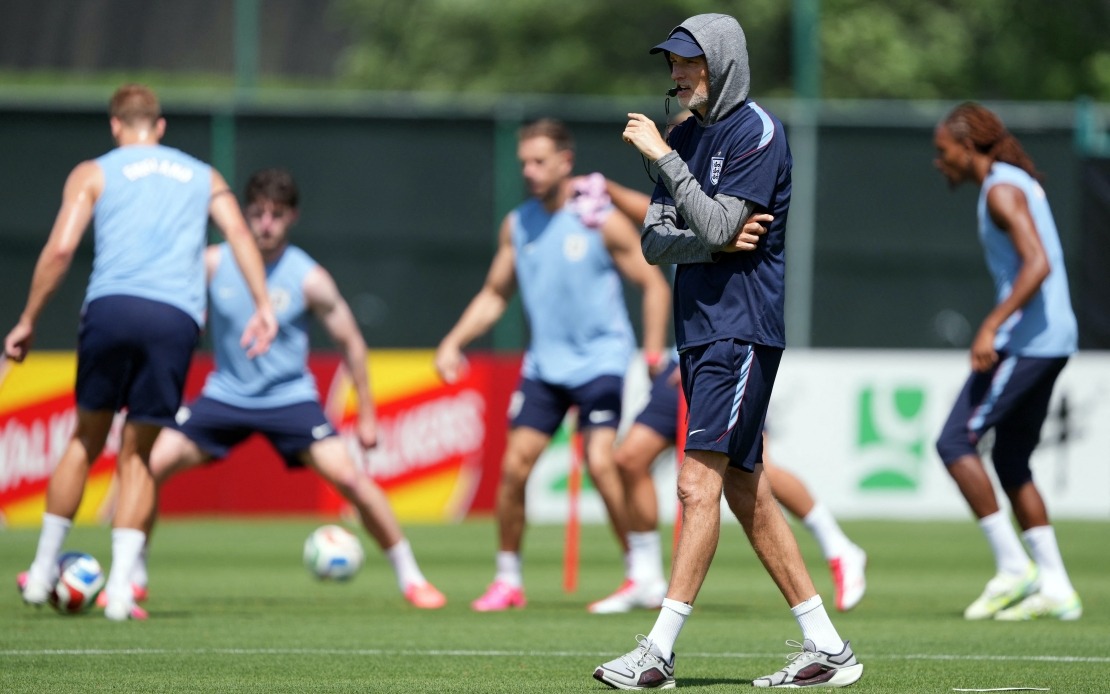
England manager Thomas Tuchel is prioritising entertainment value for a generation of young supporters who will experience their first competitive match of the tournament when the Three Lions face the Democratic Republic of Congo in the round-of-32 clash in Atlanta. The midweek fixture carries significant scheduling advantages for families with school-age children, kicking off at 5 pm United Kingdom time, a stark contrast to England's previous group-stage encounters that began much later in the evening.
The timing of Wednesday's encounter represents a meaningful departure from England's earlier knockout commitments. Their opening Group matches against Croatia and Ghana both started at 9 pm local time, while the subsequent victory over Panama commenced at 10 pm. This afternoon fixture opens the door for youngsters to engage with international football without disrupting their sleep schedules before a school day. Tuchel recognises the cultural significance of this moment, understanding that exposure to England's World Cup campaign at a reasonable hour could shape a new cohort of passionate supporters.
Tuchel's comments suggest he is acutely aware of managing expectations regarding the aesthetic quality of the performance. He cautioned that Congo may prioritise defensive organisation and disruption over constructive attacking play, potentially limiting the flow and rhythm of the match. The German tactician acknowledged that entertainment comes in multiple forms, not exclusively through attacking verve or conventional notions of exciting football. His emphasis on transmitting team spirit and emotional investment through television broadcasts indicates a sophisticated understanding of what truly resonates with young audiences.
The manager stressed that the collective energy and commitment displayed by the squad carries its own compelling narrative. Rather than fixating on stylistic flourishes, Tuchel hopes viewers will sense the genuine passion and significance of the contest for the players. This approach reflects a pragmatic philosophy that recognises knockout football often demands different priorities than open, flowing encounters. For supporters tuning in from home, witnessing a disciplined, determined performance can prove equally gratifying as a seven-goal thriller.
Tuchel's remarks indicate England will be prepared for various scenarios that may extend beyond the regulation 90 minutes. He acknowledged the possibility of extra-time or a penalty shootout, scenarios that would severely test the patience of young viewers with early morning commitments. The prospect of matches extending to 120 minutes or the emotional rollercoaster of spot-kicks raises questions about whether the afternoon scheduling advantage will ultimately benefit child supporters or merely postpone their bedtimes further into the evening.
Goalkeeper Jordan Pickford emphasised the squad's comprehensive readiness for extended play, noting that England's training regimen has specifically addressed scenarios involving extra periods and penalty situations. The experienced shot-stopper's comments indicate the coaching staff has conducted thorough preparation for knockout-stage demands, ensuring players can maintain focus and execute set-piece routines under fatigue and psychological pressure. This methodical approach reflects England's learning from previous tournament campaigns where inadequate preparation for penalty situations proved costly.
Pickford's statement reveals a team mindful that victory within 90 minutes remains the primary objective, yet fully acknowledging that knockout football rarely unfolds with predictable timelines. The goalkeeper's confidence in the squad's preparation suggests they recognise penalties represent a legitimate winning pathway rather than mere chance. England's historical struggles from the spot have been extensively documented, making this explicit confidence particularly noteworthy as the tournament progresses deeper into its elimination phases.
The Democratic Republic of Congo presents an unpredictable opponent with limited tournament pedigree at this level, potentially harbouring surprise tactical approaches designed to unsettle more fancied nations. Their participation in knockout stages following group play creates an intriguing dynamic, as Tuchel must balance respecting their threat while maintaining attacking intent necessary for advancing. The challenge lies in maintaining fluidity and rhythm against opponents likely to employ compact, disciplined defensive structures throughout the encounter.
For Malaysian and Southeast Asian followers of international football, this fixture carries significance as part of the broader tournament narrative, with England positioned as genuine contenders despite recent inconsistency. The afternoon scheduling represents an unusual accommodation for younger supporters, reflecting growing recognition that World Cup tournaments must cater to diverse audiences across multiple time zones. Such considerations reveal how major sporting events increasingly shape broadcasting and fixture logistics around demographic needs beyond traditional primetime slots.
Tuchel's emphasis on transmitting emotional authenticity rather than orchestrating theatrical performances suggests a mature understanding of sporting engagement. Young supporters often remember the feeling of shared national pride and collective investment more vividly than specific tactical minutiae or highlight-reel moments. By prioritising team spirit visibility, the manager acknowledges that introducing new generations to football's deeper emotional dimensions carries importance equal to the immediate result. This philosophical approach may ultimately prove more valuable in cultivating sustained passion for the sport than any individually brilliant performance.

