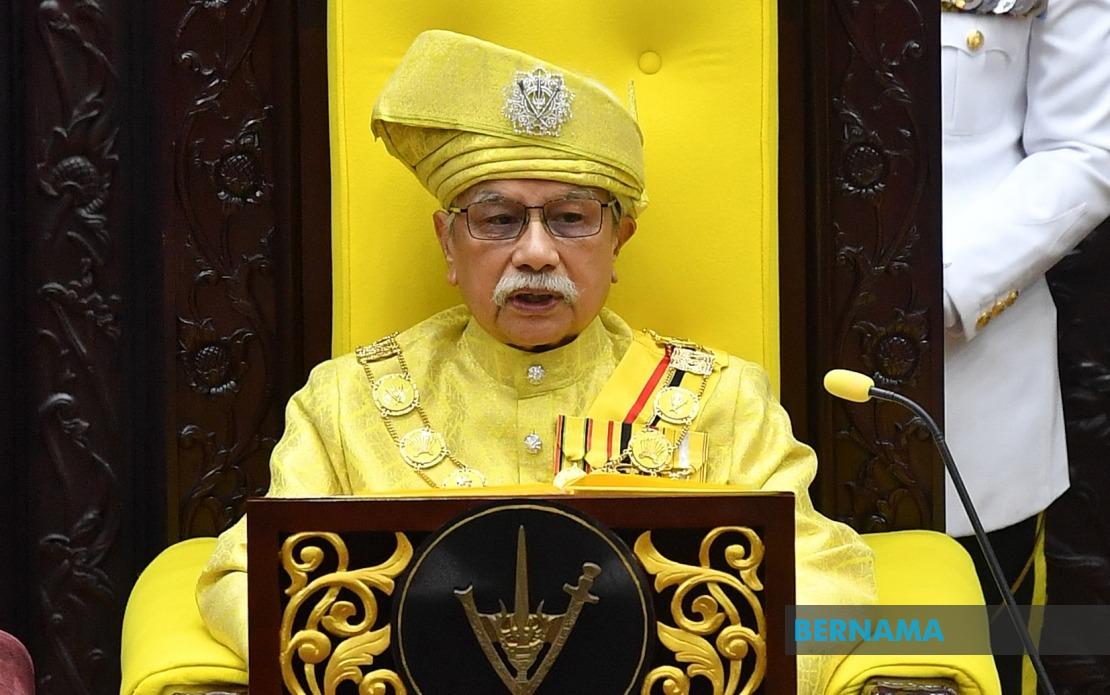
The Yang Dipertuan Besar of Negeri Sembilan, Tuanku Muhriz Tuanku Munawir, has consented to a royal audience ceremony this Saturday at Istana Besar Seri Menanti to formally recognise the installation of Hassan Ab Hamid as the 22nd Undang of Luak Rembau. The decision was conveyed by Tunku Besar Seri Menanti, Tunku Ali Redhauddin Tuanku Muhriz, following consultations with the Datuk-Datuk Adat of Rembau, signalling the culmination of a customary succession process that has been central to Negeri Sembilan's governance structure for centuries.
The appointment of Hassan Ab Hamid, aged 67, followed established adat procedures within the Biduanda Nan Dua Carak customary clan, according to Datuk Juan Datuk Zulkipli Shamsudin, who chaired the Kerapatan Buapak Delapan ceremony overseeing the selection. This meticulous adherence to custom underscores the distinctive character of Negeri Sembilan's administrative framework, which operates under the Adat Perpatih system—a matrilineal inheritance pattern that distinguishes the state from other Malaysian territories and reflects its unique constitutional arrangement.
Understanding the role of the Yang Dipertuan Besar in this process is crucial for grasping how Negeri Sembilan differs from other Malaysian states. Zulkipli clarified that contrary to common misconception, the head of state does not unilaterally select or appoint an Undang. Rather, the Yang Dipertuan Besar's function is fundamentally ceremonial and confirmatory in nature—receiving delegations from the luak when they present their choice and, when custom requires, granting formal recognition and consent to the community's decision. This distinction emphasises that authority under Adat Perpatih originates from within the customary hierarchy itself, not from royal prerogative.
The Undang represents a critical tier within Negeri Sembilan's adat governance structure. Each luak, or traditional division of the state, maintains its own Undang who serves as custodian of customary law and administrator of local affairs. The position carries substantial weight in settling disputes, preserving adat traditions, and ensuring that community decisions align with ancestral practices. The selection of a new Undang therefore transcends mere ceremonial succession; it reflects the luak's collective wisdom in identifying an individual capable of stewarding its cultural and administrative responsibilities.
Hassan Ab Hamid assumes office following the death of his predecessor, Datuk Lela Maharaja Datuk Muhamad Sharip Othman, who passed away on May 15, 2024, at the age of 83. The preceding Undang's extended tenure underscores the stability and continuity that characterises these positions, with individuals serving across decades to provide consistent stewardship of adat principles and community welfare. The succession process that has culminated in Hassan's selection demonstrates how Negeri Sembilan manages transitions within its customary framework whilst maintaining institutional continuity.
The timing of Saturday's ceremony carries particular significance for Malaysia's federal structure and the broader discourse surrounding state autonomy and indigenous governance. Negeri Sembilan occupies a distinctive constitutional position, with its state constitution providing explicit recognition and protection for the Adat Perpatih system. Unlike states where customary leadership has been progressively marginalised or absorbed into state bureaucratic structures, Negeri Sembilan has jealously guarded the independence of its adat institutions. The formal royal audience this week reaffirms this constitutional commitment and ensures that customary succession retains its ceremonial gravitas within the state's governance hierarchy.
For Malaysian governance enthusiasts and constitutional scholars, the Undang installation ceremony illuminates the country's plural legal and administrative heritage. Malaysia's federation encompasses multiple overlapping systems of authority—federal, state, and customary—that must coexist and occasionally coordinate. Negeri Sembilan's approach, enshrined in both its state constitution and its adat traditions, represents a deliberate effort to preserve spaces where communities exercise genuine self-determination in selecting leaders. This model carries implications for discussions about indigenous governance rights and the extent to which modern nation-states can accommodate historic systems of authority.
The clarification issued by Zulkipli regarding the nature of the Yang Dipertuan Besar's role responds to historical misunderstandings about power distribution within Negeri Sembilan. Centuries of adat governance have established that legitimacy flows upward from the community to its elected representative, rather than downward from the throne. This inverted authority structure reflects Adat Perpatih's matrilineal principles, where property and status pass through female lines and communities retain substantial control over their own affairs. By explicitly correcting misconceptions about royal prerogative, Zulkipli reinforces this foundational principle for contemporary audiences.
The Saturday ceremony will encompass the Istiadat Menghadap Menjunjung Duli Bagi Menyempurnakan Kejadian Undang Luak Rembau—a ceremonial audience in which Hassan Ab Hamid will formally present himself before the Yang Dipertuan Besar, who will grant official recognition to his installation. Though ceremonial in appearance, this ritual serves essential functions: it witnesses the luak's decision at the highest state level, ensures compliance with constitutional procedures, and provides the formal validation that transforms a customary selection into an officially recognised appointment. The Orang Empat Istana, custodians of court protocol and state ceremonial practice, will coordinate arrangements with the adat leaders to ensure the ceremony proceeds according to both state and customary requirements.
For Rembau and the wider Negeri Sembilan, Hassan Ab Hamid's installation marks the beginning of what may prove to be a lengthy tenure stewarding one of the state's nine luaks. The incoming Undang inherits responsibility for mediating land disputes, settling customary disagreements, preserving adat knowledge, and ensuring his community's distinctive identity persists amid modernisation pressures. His selection through communal consensus rather than external appointment theoretically strengthens his legitimacy and effectiveness, as he enjoys the explicit confidence of those whose lives he will govern according to ancestral custom.

