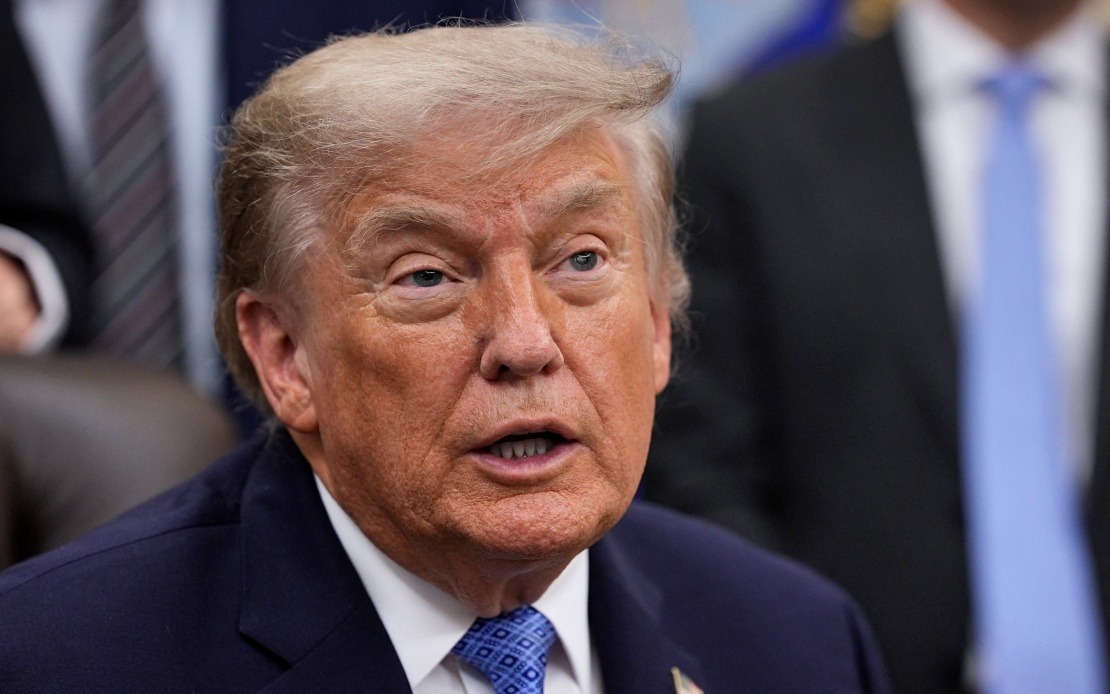
United States President Donald Trump is set to address the nation via television on Thursday evening, with the White House scheduling the remarks during one of the most coveted broadcast slots in American politics. The address is timed for 9 pm Eastern Standard Time, equivalent to 0100 GMT on Friday, according to an announcement posted on Trump's Truth Social platform. Such prime-time slots are typically reserved for matters of national significance and allow a sitting president to reach millions of Americans simultaneously, underscoring the gravity the administration places on the message it intends to convey.
The specific subject matter of Thursday's address remains undisclosed, creating considerable speculation across US political and media circles. The president has not indicated whether he will focus on foreign policy matters, domestic economic concerns, or other pressing national issues. This deliberate ambiguity has left observers and analysts attempting to discern the most likely topics based on recent events and political developments.
One prominent possibility centres on the escalating situation with Iran, which has consumed significant media coverage and political attention throughout recent months. The conflict has intensified considerably in recent days, reigniting concerns about regional stability and potential broader implications. Coupled with the geopolitical tensions, petrol prices have risen sharply, affecting American households and becoming a touchstone issue for many voters concerned about their economic well-being. Should Trump address Iran directly, it would represent a significant moment for clarifying administration policy and intent to the American public.
This will not be Trump's inaugural televised national address since commencing his second presidential term in January 2025. Previously, in December of that year, he defended his economic record before the nation amid mounting internal pressure from both political opponents and members within his own party questioning the trajectory of economic policy. That address demonstrated the president's willingness to use the televised platform to shape public perception of his administration's accomplishments and policy direction during periods of heightened scrutiny.
The timing of Thursday's address carries particular political significance given the forthcoming midterm elections, scheduled for approximately four months hence. These elections represent a critical juncture for Trump's Republican Party, which has been performing comparatively poorly in recent polling assessments and surveys. Midterm contests historically provide voters with an opportunity to express satisfaction or dissatisfaction with a sitting president's performance, and poor Republican results could substantially constrain Trump's ability to advance his legislative agenda during the remainder of his term.
For Republicans facing increasingly difficult electoral prospects, a high-profile presidential address offers an opportunity to reset narratives and energize the party base heading into the campaign season. Trump's communication style and ability to command media attention have been central to his political brand, and prime-time addresses serve as unfiltered mechanisms to communicate directly with supporters and undecided voters without editorial intermediation. The Republican strategy may depend significantly on how effectively the administration can shift public discourse toward favorable terrain.
From a Southeast Asian perspective, the content of Trump's address carries implications for regional stability and economic interests. The United States maintains substantial strategic commitments throughout the region, including defence alliances and trade partnerships that affect countries throughout Malaysia and beyond. Should the president address Iran or Middle Eastern policy, it could signal shifts in American strategic priorities that indirectly influence regional security dynamics, energy prices affecting ASEAN economies, and broader global trade patterns that Malaysian businesses depend upon.
The escalating Iran situation particularly warrants Malaysian attention, as the country's substantial reliance on stable global energy markets and freedom of navigation through critical waterways makes regional conflicts directly relevant to national interests. Rising petroleum prices stemming from Middle Eastern tensions translate into immediate cost pressures for Malaysian consumers and businesses, affecting inflation rates and purchasing power across the economy. A clear articulation of American policy direction could provide greater predictability for market participants and regional stakeholders attempting to assess investment and operational risks.
Moreover, Trump's communication approach and willingness to address the nation during moments of political vulnerability reveal something about the nature of American democratic institutions and presidential authority. The ability to command prime-time television access remains a distinctly presidential prerogative, reflecting the unique position the chief executive occupies in American political life. How effectively Trump deploys this privilege to navigate simultaneous foreign policy challenges and domestic electoral pressures will influence not only American political outcomes but potentially ripple effects throughout the international system that Malaysia and other nations must navigate.
The address also underscores the ongoing centrality of traditional media in American political communication, despite the proliferation of digital platforms and alternative information channels. While Trump has cultivated a substantial following on Truth Social and other digital platforms, the choice to deliver remarks during prime-time television broadcasting demonstrates the continued power of mass television to frame political narratives and reach broad demographic swaths of the electorate simultaneously. This hybrid approach combining social media announcements with traditional broadcast television reflects contemporary presidential communication strategies.
As the speech approaches, political observers across the spectrum will be scrutinizing not merely the substantive content but also Trump's rhetorical approach, his treatment of specific policy challenges, and any signals regarding potential shifts in administration priorities. The address may clarify whether the administration intends to pursue more aggressive foreign policy postures, emphasize economic messaging ahead of midterms, or attempt to reframe recent political controversies. Whatever direction the president chooses will carry reverberations throughout American politics and potentially influence international calculations regarding American reliability and commitment to existing partnerships and regional arrangements.

