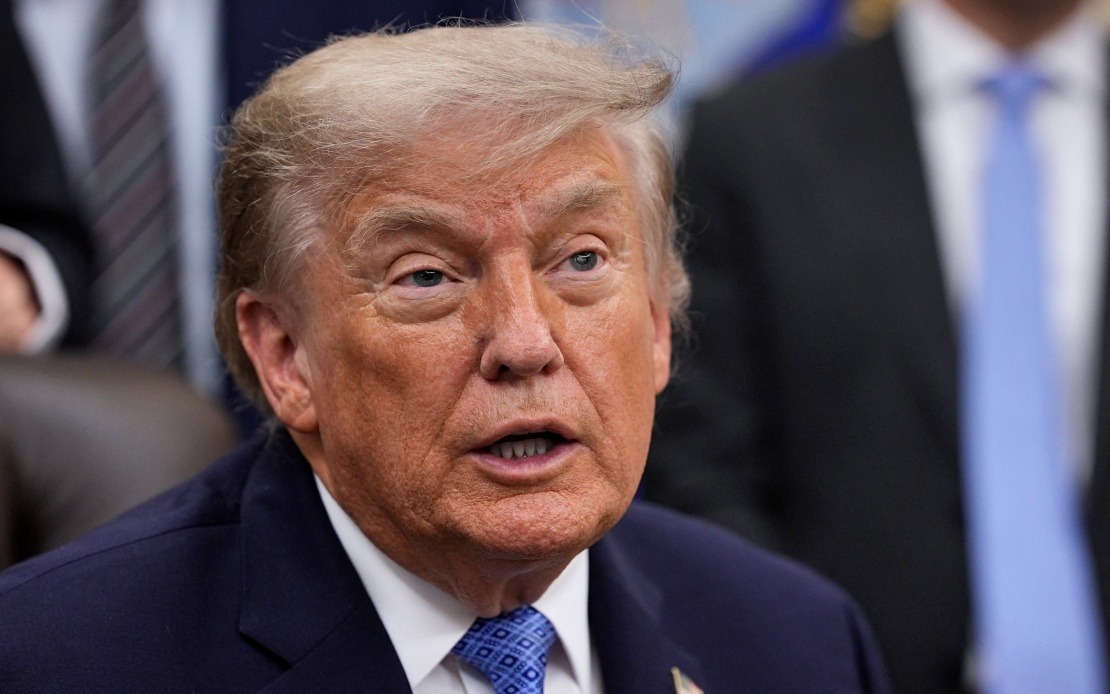
US President Donald Trump announced late Tuesday that he has suspended a looming 50 per cent tariff on Canadian goods for a three-day window, stepping back from a deadline that would have triggered the duties early Wednesday morning. The reprieve came after intensive negotiations between Trump and Canadian Prime Minister Mark Carney, who had been working urgently to head off substantial trade barriers that would have affected roughly C$30 billion ($22 billion) in cross-border commerce.
Trump's declaration via Truth Social indicated that both nations have reached what he characterized as a tentative agreement, pending final document ratification. The temporary pause provides breathing room for both governments to finalize the terms of what appears to be a comprehensive trade understanding. The timing was critical, as failure to reach any accord would have meant immediate implementation of the tariff increase at the stroke of midnight, disrupting supply chains and imposing significant costs on businesses operating across the border.
For Malaysia and other Southeast Asian economies, developments in US-Canada trade relations warrant close attention. North America represents a substantial market for regional manufacturing and exports, and major disruptions to bilateral trade flow can create ripple effects throughout global commerce. Malaysian companies with supply chain exposure to Canada or relying on North American distribution networks could face indirect consequences if tariff barriers were to persist or escalate further.
One particularly significant element of Trump's announcement was his suggestion that the emerging agreement could facilitate revival of the Keystone XL pipeline, the massive cross-border energy infrastructure project that was terminated during the Biden administration. This potential development underscores how trade negotiations between the two nations extend well beyond conventional goods tariffs into strategic energy cooperation. The pipeline's resurrection would represent a major geopolitical and economic shift, potentially reshaping continental energy flows and affecting global oil markets that influence regional economies.
The Keystone XL project had become emblematic of broader tensions over energy policy and climate considerations in North America. Its cancellation during the previous US administration reflected competing priorities regarding environmental protection and fossil fuel infrastructure. Trump's suggestion that the revived trade arrangement could unlock its development signals a fundamental recalibration of Washington's approach to energy policy and cross-border infrastructure investment, priorities that were evident during his earlier presidency.
Canadian Prime Minister Mark Carney's willingness to engage in direct negotiations reflects Ottawa's recognition that the tariff threat posed genuine economic danger. At C$30 billion annually, the affected goods represent a substantial portion of bilateral trade, and protracted tariff barriers would have inflicted measurable pain on Canada's economy while also complicating American supply chains that rely heavily on Canadian inputs, particularly in automotive, energy, and resource sectors. The fact that both sides found room for compromise within days of the deadline suggests underlying mutual interest in preserving the relationship despite escalating rhetoric.
The three-day pause creates a compressed timeline for finalizing documentation and securing formal approval from both governments. This compressed schedule indicates that negotiators have already achieved consensus on key substantive matters, and the remaining work largely involves legal formalization and procedural requirements. However, the contingency nature of the agreement—premised on successful document completion—leaves open the possibility that unexpected obstacles could yet derail implementation, necessitating rapid problem-solving mechanisms between the capitals.
For regional observers tracking US trade policy, Trump's willingness to pause the tariffs after direct engagement with Canadian leadership suggests that dialogue remains viable even amid escalating trade tensions. This approach contrasts with more rigid stances and indicates flexibility when senior leadership becomes directly involved in negotiations. The three-day framework essentially gambles that concentrated, high-level engagement can resolve remaining obstacles, a calculation that reflects confidence in the negotiating teams' ability to deliver results.
The energy dimension of this agreement holds particular relevance for Southeast Asia, where energy security and price stability matter considerably for regional growth and competitiveness. The potential rekindling of Keystone XL could influence global oil markets and energy pricing. Additionally, how the US and Canada structure their energy cooperation may influence other bilateral and regional energy agreements, potentially affecting Southeast Asian countries' energy partnerships and import costs.
Market observers will be watching closely over the coming seventy-two hours to determine whether the three-day pause leads to a finalized agreement or whether unresolved issues could trigger tariff implementation. The structure of this temporary hold suggests both parties recognize the mutual costs of escalation, but also that fundamental disagreements over specific trade terms remain substantial enough to require continued negotiation. Successful conclusion would represent a significant win for both Trump and Carney domestically, while failure would trigger substantial economic disruption on both sides of the border and ripple through interconnected global supply chains that Malaysian and other Southeast Asian enterprises depend upon.

