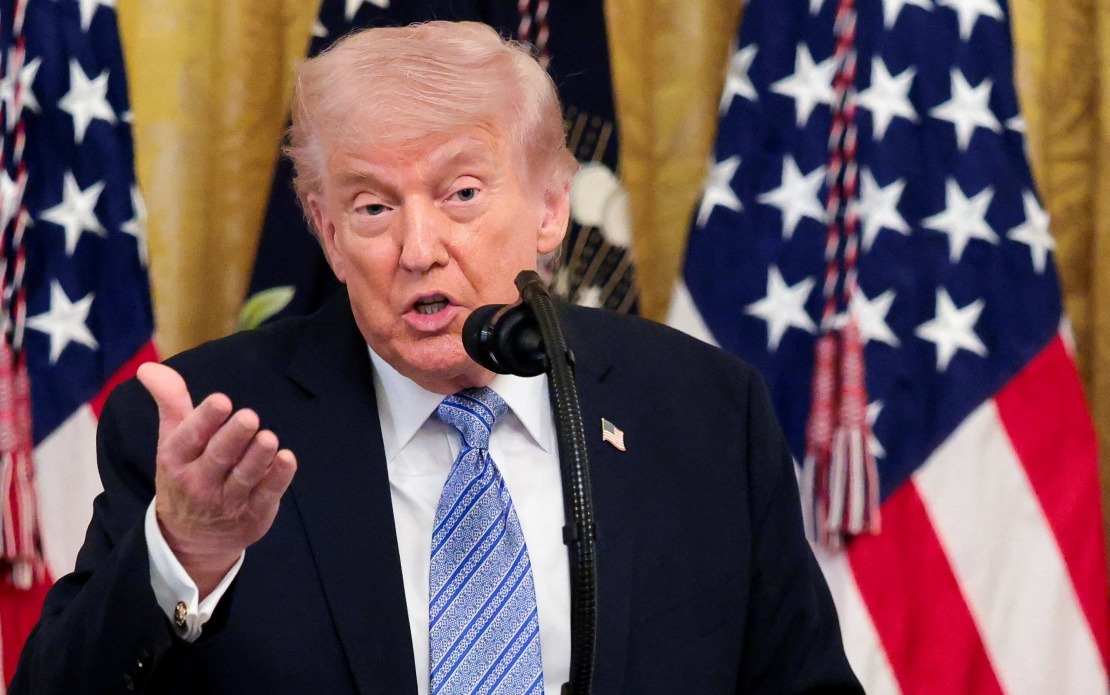
US President Donald Trump announced on Monday that he had conducted a productive telephone conversation with Andy Burnham, the newly installed British Prime Minister. Speaking through his Truth Social platform, Trump characterised the call positively and signalled enthusiasm for deeper engagement between Washington and London in the coming weeks, underscoring the continued importance both capitals place on their bilateral relationship amid shifting global dynamics.
The phone discussion touched upon a notably broad agenda that reflects the interconnected nature of contemporary US-UK relations. Beyond ceremonial pleasantries about the two nations' historic partnership, the conversation ventured into substantive policy areas that carry material consequences for both nations and their strategic interests in key regions. Trump specifically referenced the "outstanding relationship" between the United States and United Kingdom, framing the call within the context of an enduring transatlantic alliance that has defined Western strategy for decades.
Among the topics that featured prominently was North Sea oil—a matter of considerable economic and energy significance for Britain as it navigates its energy security in an increasingly volatile global market. The inclusion of this subject suggests the incoming UK administration intends to discuss energy cooperation and potentially coordinate approaches to hydrocarbon extraction and supply chain resilience with American counterparts. This reflects broader concerns within Western capitals about energy independence and the geopolitical risks associated with overreliance on unstable suppliers.
Trade emerged as another central discussion point, which carries particular weight given ongoing uncertainties surrounding international commerce and the potential for new tariff frameworks. For Malaysia and other Southeast Asian economies, any shift in US-UK trade dynamics carries ripple effects across regional supply chains and investment patterns. The two nations have substantial trade relationships and serve as anchors for broader Western economic engagement, so negotiations between them often set precedents that influence bilateral arrangements with other partners.
The military alliance constituted a third pillar of their conversation, emphasising the enduring security cooperation between the two countries. This dimension encompasses intelligence sharing, NATO coordination, defence procurement, and broader strategic alignment in response to emerging threats. The continuity of this partnership signals stability in Western security arrangements during a period when various global actors are reassessing their strategic postures.
The reference to "demining of the Hormuz Strait" introduces a regional security dimension that extends beyond bilateral concerns into broader Middle Eastern stability. The Strait of Hormuz represents one of the world's most critical maritime chokepoints, through which vast quantities of global petroleum supplies transit daily. Any discussion about demining operations suggests coordination on efforts to enhance freedom of navigation, counter Iranian threats, or address other obstacles to maritime security in the Persian Gulf—matters that have implications for global energy prices and regional stability.
Trump's characterisation of the call as "interesting and went very well" suggests a tone of mutual respect and productive dialogue rather than contentious negotiation. His wish for good luck to Burnham carries diplomatic courtesy that typically signals the US administration views the new British leadership as a positive development. The announcement also serves a domestic American political purpose, allowing Trump to demonstrate active engagement in traditional alliances and forward-looking diplomacy.
For the Malaysian perspective, this transatlantic conversation matters because shifts in US-UK alignment reverberate through multilateral organisations, trade frameworks, and security arrangements that affect Southeast Asia. Britain remains an important player in regional security through its presence in the region, defence relationships with regional partners, and participation in forums like the East Asia Summit. Any strengthening of Washington-London coordination could influence their respective policies toward Southeast Asia, the South China Sea, and engagement with China.
The timing of this call with a newly appointed British Prime Minister also suggests the Trump administration prioritises relationship management with traditional allies. The explicit mention of planning to meet "in the not too distant future" indicates both leaders consider face-to-face engagement valuable, a significant statement about the priority assigned to the US-UK relationship in contemporary geopolitics. Such meetings typically produce joint communiqués, coordinate policy positions on international issues, and reaffirm shared values.
The breadth of topics covered—spanning energy, trade, defence, and regional security—demonstrates that the relationship between Washington and London remains comprehensive and multifaceted despite periodic debates about the nature of the transatlantic partnership. For observers in Malaysia and Southeast Asia, the robustness of this alliance affects everything from trade negotiations and technology standards to military posturing in critical sea lanes and responses to challenges from revisionist powers.
The public nature of Trump's announcement also serves to signal to other international actors that America's commitment to its traditional allies remains firm. In an era of shifting global alignments and questions about the durability of Western institutions, such public affirmations carry symbolic weight alongside their practical diplomatic significance. The conversation suggests that despite various international tensions and debates about international order, Washington and London continue to view their partnership as central to their respective strategic interests and broader Western cohesion.

