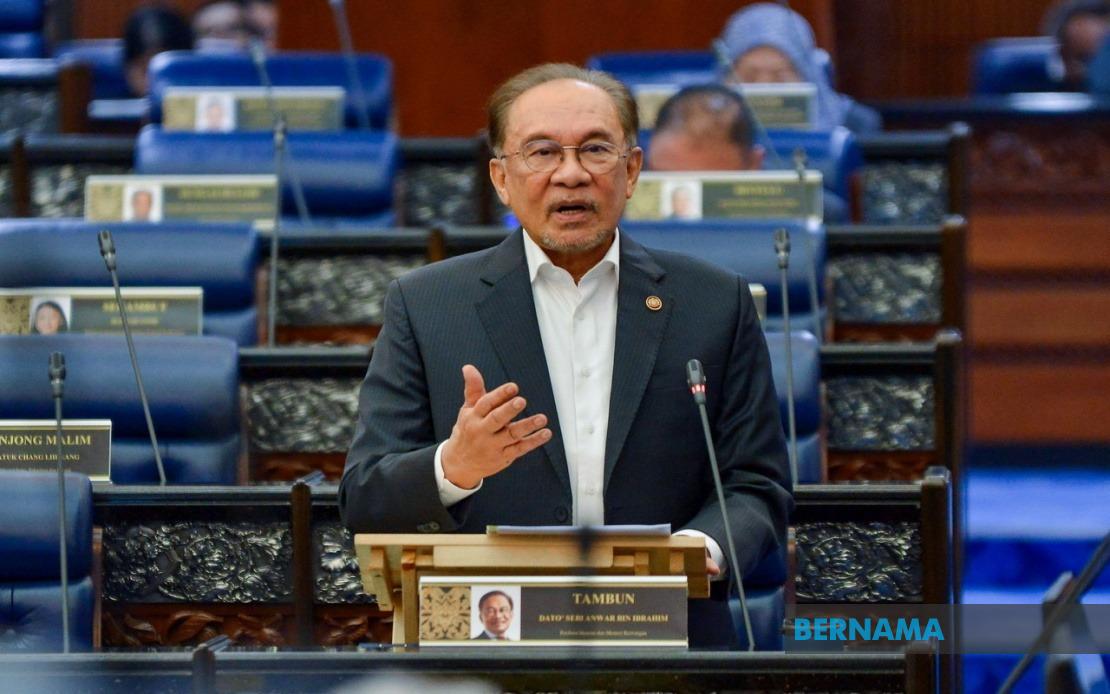
Prime Minister Datuk Seri Anwar Ibrahim has directed the Transport Ministry to examine the potential of ports situated along the Malaysia-Thailand border and in Penang as part of a broader strategy to strengthen infrastructure development and regional logistics networks. The directive emerged from discussions with Thai Prime Minister Anutin Charnvirakul during the latter's recent official visit to Malaysia, where both leaders explored avenues for enhanced bilateral cooperation in transport and trade facilitation.
During Ministerial Question Time in the Dewan Rakyat, Anwar explained that port utilisation featured prominently in his talks with Anutin, reflecting the growing recognition that maritime gateways represent critical infrastructure for the Malaysia-Thailand border corridor. The discussions encompassed multiple transport modalities, indicating a comprehensive approach to regional connectivity that extends beyond a single mode of transportation. This multi-faceted engagement signals the two nations' intent to unlock the economic potential of their shared border through coordinated infrastructure planning.
Specific port facilities under consideration include Sanglang and Perlis Inland Port (PIP), both of which occupy strategic positions for facilitating trade flows and reducing logistics costs in the border region. The inclusion of Penang's port infrastructure in these discussions reflects Malaysia's broader commitment to utilising its existing maritime assets more effectively. By examining how these facilities can be better integrated into cross-border supply chains, both countries aim to create competitive advantages for regional commerce and attract international investment to the border corridor.
The Transport Ministry has been tasked with conducting substantive discussions on how these ports can be operationalised to maximise economic spillovers from border corridor development. This represents a shift toward more deliberate, infrastructure-led economic growth in areas that have traditionally suffered from underdevelopment relative to more central regions. By channelling trade through designated ports, Malaysia and Thailand can better manage customs procedures, reduce transaction costs, and create employment opportunities in border communities.
Beyond maritime transport, the discussions with Thailand also encompassed rail connectivity, reflecting recognition that modern cross-border logistics requires multiple transport corridors working in concert. A newly inaugurated transport route was referenced during the parliamentary exchange, suggesting that Malaysia has already begun implementing infrastructure improvements in the border area. The emphasis on railways indicates that both governments understand the importance of rail for high-volume, cost-effective movement of goods, particularly for bulk commodities and containerised trade.
Tourism emerged as an additional consideration in the infrastructure planning discussions, acknowledging that improved cross-border connectivity serves purposes beyond freight movement. Enhanced port access and transport links can facilitate people mobility, strengthening cultural and commercial ties between Malaysian and Thai communities in border regions. This holistic approach to cross-border development recognises that infrastructure investments generate returns across multiple economic sectors simultaneously.
The directive to the Transport Ministry carries particular significance for Malaysia's broader regional integration agenda. As Southeast Asia becomes increasingly interconnected through regional trade agreements and infrastructure initiatives, Malaysia's capacity to serve as a logistics hub depends partly on the effectiveness of its border gateways. By improving port facilities and transport networks at the Thailand frontier, Malaysia positions itself more competitively within regional supply chains and enhances its attractiveness to multinational logistics operators.
For Thai stakeholders, the expanded use of Malaysian ports offers alternatives to congestion at Thailand's primary maritime facilities, potentially lowering transportation costs and reducing delivery times for Thai exporters. This mutually beneficial arrangement strengthens the economic interdependence between the two nations and creates incentives for sustained cooperation on infrastructure matters. The discussions represent pragmatic recognition that border areas can serve as zones of mutual prosperity rather than barriers to commerce.
The timing of these discussions reflects broader regional trends toward infrastructure-led development and digital integration in Southeast Asia. Countries across the region are investing heavily in ports, railways, and road networks to capture growing trade flows, particularly from China and other Asian manufacturers seeking alternative routes. Malaysia's proactive engagement with Thailand on border infrastructure demonstrates awareness of these competitive dynamics and determination to ensure that its border regions remain economically viable and attractively positioned within regional networks.
Implementation of the Transport Ministry's discussions will require coordination across multiple government agencies, including customs authorities, port operators, and railway administrators in both countries. The complexity of such coordination underscores why high-level political commitment, evident in the PM's parliamentary statement, proves essential. Without sustained governmental support, technical discussions between ministry-level officials often stall amid competing priorities and budgetary constraints.
The emphasis on the Malaysia-Thailand border reflects recognition that this frontier represents considerable untapped economic potential. With populations on both sides numbering in the millions and economies increasingly integrated through manufacturing supply chains, improving the efficiency of cross-border commerce yields substantial benefits. Enhanced port capacity and transport connectivity can reduce the hidden costs of border crossing, making the region more attractive for manufacturing investments that rely on just-in-time supply chain management.
Looking ahead, the successful realisation of these infrastructure plans will depend on both governments' ability to allocate resources and maintain policy consistency across electoral cycles. The Transport Ministry's ongoing discussions with Thai counterparts should produce concrete timelines and funding mechanisms that transform these high-level commitments into physical improvements at border ports. Regional observers will be watching closely to assess whether this latest bilateral infrastructure initiative moves beyond rhetoric to deliver tangible benefits for cross-border trade and regional development.

