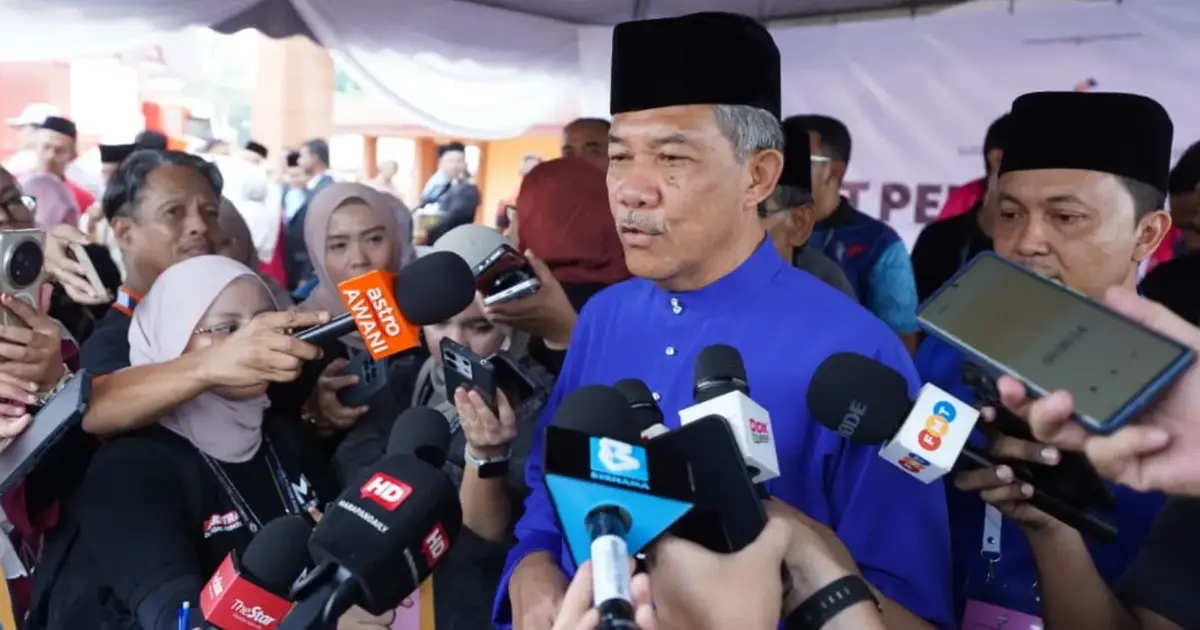
Mohamad Hasan, commonly known as Tok Mat, has issued a pointed warning to Barisan Nasional candidates contesting in Negeri Sembilan, instructing them to refrain from incorporating the state's adat institution into their electioneering efforts. The senior political figure emphasized that the traditional governance structures which underpin Negeri Sembilan's unique constitutional arrangement deserve protection from the rough-and-tumble dynamics of electoral competition.
The adat system in Negeri Sembilan represents one of Malaysia's most distinctive political traditions, rooted in the state's matrilineal heritage and customary practices that have governed land rights, succession, and community relations for generations. Unlike other Malaysian states, Negeri Sembilan's adat framework continues to exercise considerable influence over matters of property ownership, inheritance, and the role of clan chiefs within the broader governance structure. This institutional arrangement has long been regarded as central to the state's identity and cultural continuity.
Tok Mat's intervention reflects growing concern within BN circles that campaign messaging on adat-related matters risks reopening dormant disagreements and creating unnecessary friction during a sensitive electoral period. By explicitly cautioning candidates against ventilating these issues on the campaign trail, he appears intent on preserving a degree of institutional autonomy for adat bodies and preventing their traditional functions from becoming entangled in partisan political disputes.
The warning carries particular weight given Tok Mat's standing within the Umno-led coalition and his influence in Negeri Sembilan politics. His position suggests that party leadership believes raising adat concerns during campaigning could alienate important constituencies who view the system as deserving deference and respect, separate from the machinery of electoral politics. The move also indicates recognition that adat institutions retain considerable symbolic and practical importance to local voters.
Historically, attempts to modify or reinterpret adat arrangements have proven contentious in Negeri Sembilan, occasionally generating public debate about the balance between traditional customary law and modern governance requirements. The state's unique constitutional position means that questions touching on adat implementation can quickly escalate into broader discussions about the proper scope of traditional authority, land management, and the rights of clan members. These sensitivities explain the reluctance to see such matters weaponized during competitive electoral campaigns.
For Malaysian and broader Southeast Asian observers, the situation underscores the enduring tension between preserving indigenous institutional arrangements and navigating contemporary political dynamics. Negeri Sembilan's experience demonstrates how traditional governance structures, while culturally significant and legally embedded, can become flashpoints if political actors attempt to leverage them for electoral advantage. The region more broadly contains numerous examples of similar institutions—from indigenous land systems to customary chiefdoms—whose relationship with modern electoral politics remains complex and occasionally fraught.
Tok Mat's directive also reflects pragmatic political calculation. By removing adat from the campaign agenda, BN presumably hopes to neutralize a potential liability that could mobilize voters concerned about the system's future, or alternatively, could trigger defensive reactions from those invested in protecting adat institutions. Either outcome could prove damaging during a closely contested electoral cycle, making preemptive restraint the strategically sound position.
The statement carries implicit recognition that adat institutions possess legitimacy that transcends party politics and should remain insulated from routine electoral competition. This framing aligns with broader principles about institutional respect and suggests that BN leadership views these traditional structures as deserving a status somewhat analogous to the monarchy or the civil service—bodies whose fundamental role in the national system should remain beyond ordinary partisan contestation.
For candidates receiving this guidance, the message is unambiguous: focus campaign narratives on matters directly within the scope of electoral politics and party differentiation, while treating adat-related issues as territory better left unexplored. This boundary-setting potentially complicates campaign messaging if adat concerns have genuinely mobilized voter interest, but it reflects a judgment that the risks of ventilating these issues exceed any electoral advantages gained through engagement.
The warning also hints at internal coalition dynamics, suggesting that BN strategists across the state's political landscape have reached consensus on this restraint. Maintaining such discipline across a diverse party coalition with multiple competing factions and candidate ambitions requires significant coordination and suggests that concerns about adat politicization have reached sufficient urgency to warrant explicit, high-level intervention.
Looking forward, the extent to which candidates adhere to Tok Mat's guidance will likely reveal something important about party discipline and the relative priority given to institutional deference versus immediate electoral advantage. Should any candidates nonetheless raise adat matters during their campaigns, the situation could escalate into an internal party dispute with implications for BN cohesion more broadly.
The episode ultimately reflects how Malaysia's federal system, with its devolved powers and state-level institutional arrangements, creates situations where local political dynamics intersect with national party politics in distinctive ways. Negeri Sembilan's adat system exemplifies these state-specific arrangements that demand sophisticated handling by political actors navigating both electoral imperatives and respect for established institutions.

